中文简体
中文简体 русский
 عربى
عربى

Geocells play a crucial role in slope stabilization and reinforcement projects. They not only effectively prevent soil slippage but also significantly improve the compressive strength and durability of slopes.
1. Three-Dimensional Constraint Effect
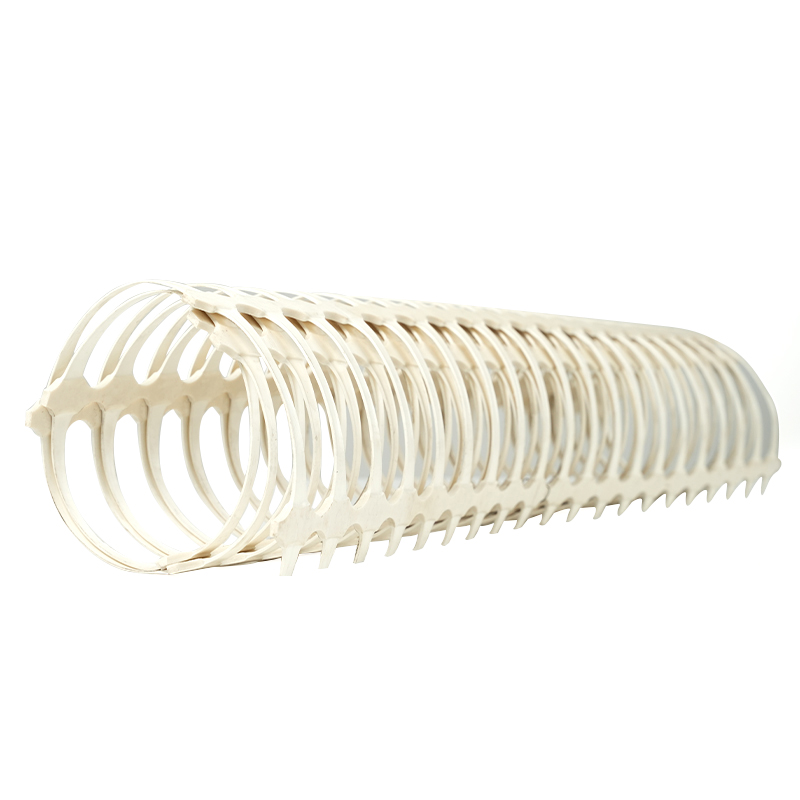
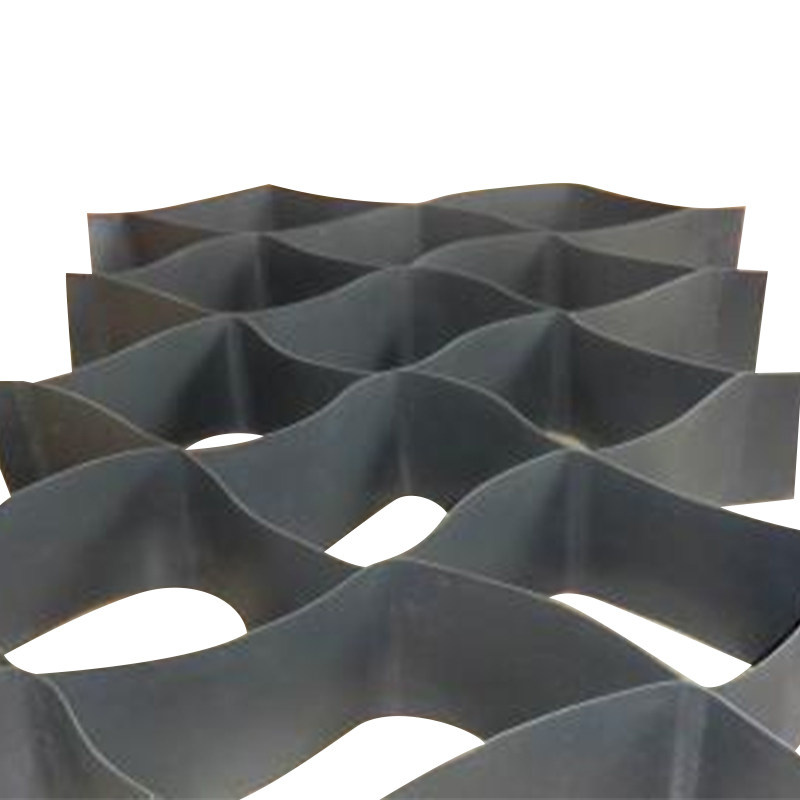
The core principle of geocells lies in their three-dimensional gabion chamber structure. Traditional slope reinforcement materials (such as gabions or grids) primarily provide two-dimensional support, while geocells, through their three-dimensional grid structure, bind loose soil within three-dimensional space.
Principle Explanation: When external loads (such as soil gravity or vehicle compaction) are applied, the active, transition, and passive zones formed by the geocells effectively lock the soil in place during compression deformation through the lateral confinement effect of the gabion chamber walls, preventing lateral displacement of the soil.
Practical Effect: This constraint transforms the "flowability" of the soil into "consolidation," significantly improving the shear strength and anti-slip capacity of the slope material.
2. Adaptability to Complex Geological Conditions
Geocell exhibits exceptional soil adaptability, making it particularly suitable for complex environments such as deserts, saline-alkali lands, and collapsible loess.
Desert Regions: In areas with severe wind erosion, Geocell binds loose sand particles, preventing soil loss caused by wind erosion and maintaining roadbed stability.
Saline-Alkali Lands and Expansive Soils: Its chemical stability and corrosion resistance allow for long-term use in high-salt or high-alkalinity soils without failure due to changes in soil composition.
Collapsible Loess: For loess susceptible to moisture-induced settlement, Geocell reduces soil compression deformation through lateral confinement, preventing significant ground subsidence.
3. Reduced Material and Transportation Costs
Compared to traditional reinforcement methods, Geocell offers significant advantages in construction and cost control.
Material Savings: Due to its lateral confinement effect, Geocell can achieve the same support effect as thick fill layers within thinner fill layers, reducing the need for large amounts of high-quality fillers (such as crushed stone and gravel).
Reduced Transportation: Geocell is lightweight and foldable for transport, eliminating the need for large-scale handling of heavy support materials on-site, significantly reducing transportation and labor costs.
Rapid Construction: Construction is fast, requiring only the laying and tensioning of the grid followed by soil filling, making it particularly suitable for rapid restoration applications such as slope reinforcement.