中文简体
中文简体 русский
 عربى
عربى

Content
- 1 What is a Biaxial Geogrid, Anyway?
- 2 The Heart of the Process: The Bidirectional Geogrid Production Line
- 3 Why "Bidirectional" is the Frequent Question for Engineers
- 4 Applications: Where Does This Product Go?
- 5 What Makes a Quality Production Line?
- 6 The Benefits of Using Biaxial Geogrids in Construction
- 7 Frequently Asked Questions (FAQ)
- 8
When we look at a smooth highway, a massive retaining wall, or a stable railway track, we rarely think about the "skeleton" hidden beneath the soil. However, engineers and construction experts are constantly asking: "How is a Biaxial Geogrid manufactured to ensure such high strength in both directions?"
To answer this, we have to look inside the factory at the Bidirectional Geogrid Production Line. This sophisticated engineering marvel is responsible for turning raw plastic resins into the high-strength mesh that keeps our world’s ground from shifting.
What is a Biaxial Geogrid, Anyway?
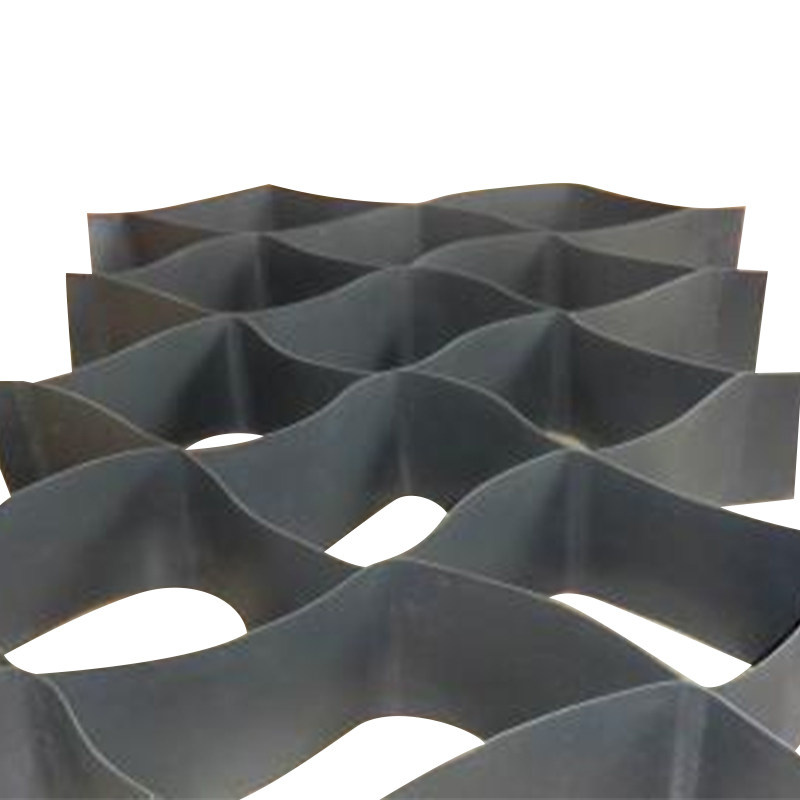
Before diving into the machinery, let’s simplify what the product actually is. In the world of civil engineering, a geogrid is a geosynthetic material used to reinforce soils and similar materials.
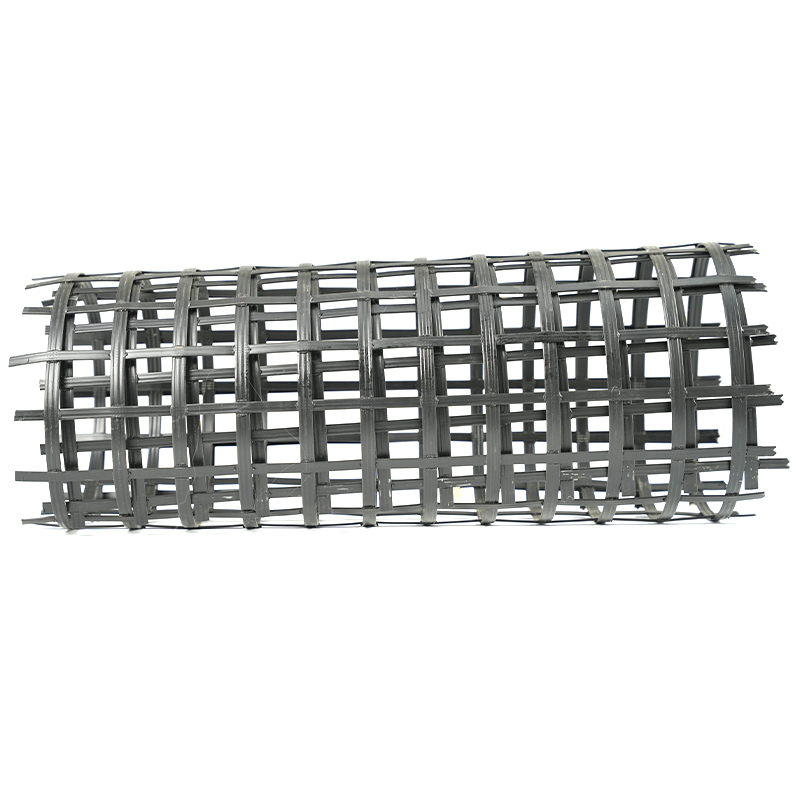
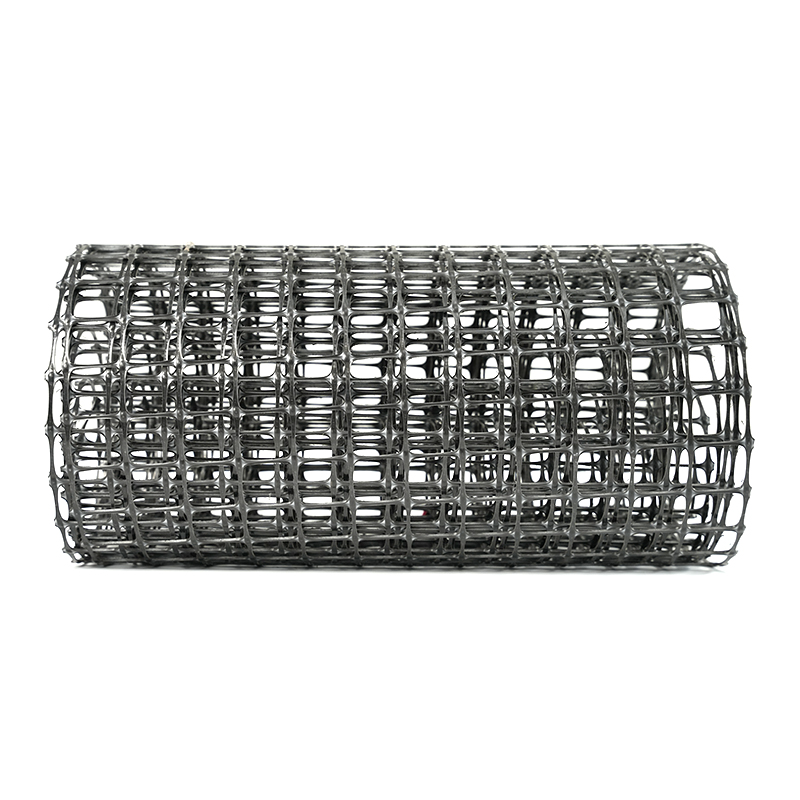
A Biaxial (or Bidirectional) Geogrid is unique because it is designed to have nearly equal tensile strength in two directions:
-
Longitudinal: The direction of the production line (Machine Direction).
-
Transverse: The direction perpendicular to the production line (Cross-Machine Direction).
This "square" or "rectangular" mesh pattern allows the grid to distribute loads over a wider area, making it perfect for stabilizing roads where traffic moves back and forth.
The Heart of the Process: The Bidirectional Geogrid Production Line
The production of these grids isn't just about "weaving" plastic. It is a highly controlled thermal and mechanical process. The Bidirectional Geogrid Production Line uses a method called "punched and drawn," which aligns the molecular structure of the plastic to give it incredible strength.
1. Raw Material Preparation and Extrusion
The journey begins with high-density polyethylene (HDPE) or polypropylene (PP) pellets. These are mixed with carbon black (for UV protection) and other stabilizers.
-
The Extruder: The mixture is melted and pushed through a flat die to create a thick, consistent plastic sheet.
-
Cooling: The sheet is cooled quickly to set its initial thickness and structure.
2. The Precision Punching Phase
This is where the "grid" begins to take shape. The solid sheet passes through a high-precision punching machine.
-
The Pattern: A series of holes are punched into the sheet in a very specific, calculated pattern.
-
The Result: At this stage, it looks like a thick piece of Swiss cheese, but it doesn't have much strength yet. The plastic molecules are still tangled and disorganized.
3. Longitudinal Stretching (The First Dimension)
This is the "Longitudinal Tensile Part" mentioned in the product specs. The punched sheet enters a series of rollers heated to a specific temperature (the "glass transition" temperature).
-
The Stretch: The rollers at the end of the section spin faster than the ones at the beginning. This pulls the sheet forward, stretching those punched holes into long ovals or rectangles.
-
Molecular Alignment: As the plastic stretches, the long-chain molecules align themselves in a straight line. This turns a flexible plastic into a rigid, high-strength rib.
4. Transverse Stretching (The Second Dimension)
To make it "Biaxial," the grid must now be stretched sideways. This is often done in a "Tenter Frame," a massive oven-like machine with rails on either side.
-
Gripping and Pulling: Large clamps grab the edges of the longitudinal ribs and pull them outward.
-
Creating the Node: This is the most critical part of the Bidirectional Geogrid Production Line. The point where the longitudinal and transverse ribs meet is called the "node." Because the material is stretched in both directions while hot, the node remains thick and strong, acting as the anchor for the entire system.
Why "Bidirectional" is the Frequent Question for Engineers
People often ask:"Why can't I just use a regular mesh?"or"Why do I need strength in both directions?"
The answer lies in Interlocking. When you place gravel or soil on top of a Biaxial Geogrid, the stones fall into the apertures (the holes). Because the grid is rigid in both directions, it "confines" the soil.
-
If the grid only had strength in one direction, the soil would simply push the ribs apart and the road would sink.
-
With a bidirectional structure, the longitudinal and transverse parts work together like a rigid frame, preventing lateral movement of the soil.
Applications: Where Does This Product Go?
The output of a Bidirectional Geogrid Production Line is found in almost every major infrastructure project:
| Application | Function |
| Paved Roads | Reduces the thickness of the base layer, saving money on gravel. |
| Railways | Prevents the ballast (the stones under tracks) from spreading out under heavy trains. |
| Airport Runways | Handles the massive weight of landing aircraft by distributing the load. |
| Parking Lots | Prevents rutting and "potholes" in soft soil areas. |
What Makes a Quality Production Line?
When companies look to invest in a Bidirectional Geogrid Production Line, they aren't just looking for a machine; they are looking for consistency.
-
Temperature Control: If the plastic is too cold during stretching, it will snap. If it is too hot, it will melt and lose its molecular alignment. A high-end line uses infrared sensors to manage heat to within a fraction of a degree.
-
Stretch Ratio: The "draw ratio" determines the final strength. A good line can stretch the plastic up to several times its original length without compromising the integrity of the ribs.
-
Speed and Width: Modern lines can produce grids up to 4 or 6 meters wide at high speeds, making them efficient enough to supply global construction demands.
The Benefits of Using Biaxial Geogrids in Construction
Beyond just "making things stronger," using the product of a Bidirectional Geogrid Production Line offers several "Green" and "Financial" benefits:
-
Cost Savings: Because the grid makes the soil stronger, you need less gravel and asphalt. This can reduce material costs by 20-30%.
-
Longevity: Roads reinforced with bidirectional grids last significantly longer before needing repairs.
-
Environmental Impact: Less gravel means less quarrying and fewer trucks on the road, which lowers the carbon footprint of a project.
Frequently Asked Questions (FAQ)
Is there a difference between Biaxial and Uniaxial Geogrids?
Yes! A Uniaxial geogrid is stretched in only one direction and is used for walls and slopes where the force is only pulling in one direction. A Biaxial geogrid is for flat surfaces like roads where traffic moves in many directions.
Can these grids be recycled?
Most Biaxial geogrids are made from PP or HDPE, which are recyclable plastics. Furthermore, because they allow for thinner road designs, they actually conserve natural resources.
How long do they last underground?
When manufactured correctly on a professional production line, these grids are designed to last over 50 to 100 years. They are resistant to chemical erosion, acids in the soil, and biological decay.
The next time you drive over a bridge or a highway, remember the Bidirectional Geogrid Production Line. It is the silent workhorse of the manufacturing world, taking simple plastic and transforming it through the power of longitudinal and transverse tension into the very foundation of our modern world.
By understanding the "Longitudinal Tensile Part" and the "Transverse Tensile Part," we can appreciate the science of stability. It’s not just plastic; it’s a high-tech solution to the age-old problem of shifting earth.