中文简体
中文简体 русский
 عربى
عربى

Content
- 1 Direct Answer: Enclosure and Damping Are Your First Line of Defense
- 2 Diagnosing the Decibels: Where Does the Noise Come From?
- 3 Engineering Controls: The Practical Fixes
- 4 Comparing Noise Control Methods by Effectiveness
- 5 Material-Specific Noise Challenges
- 6 Administrative and Maintenance Solutions
- 7 The Role of Professional Manufacturing Standards
Direct Answer: Enclosure and Damping Are Your First Line of Defense
The most effective and immediate solution to industrial shredder noise is a combination of acoustic enclosures and vibration damping mounts. Properly implemented, these two methods can reduce operational noise levels by 10 to 25 dB(A), bringing a shredder operating at 95 dB(A) down to a safer and more compliant 70-85 dB(A) range. This is not just about comfort; it is about legal compliance with occupational noise exposure limits, such as the 85 dB(A) action value often mandated by health and safety regulations.
Diagnosing the Decibels: Where Does the Noise Come From?
Before implementing a fix, it is critical to understand the sources. Industrial shredder noise is not a single sound but a combination of mechanical, hydraulic, and material-related forces. Identifying the dominant source dictates the most cost-effective solution.
1. Impact and Shearing Noise
This is the sound of rotors tearing through material. For example, shredding scrap metal or wood pallets generates high-frequency impact noise that can easily exceed 100 dB(A) at the source.
2. Structural and Vibration Noise
The powerful motors and rotating shafts transfer low-frequency vibrations into the floor and the machine's housing. This structure-borne noise radiates outward and is difficult to block without proper isolation.
3. Hydraulic System Noise
On hydraulic-driven units, pumps and power packs are significant contributors. A worn or cavitating pump can add an extra 5 to 10 dB(A) of annoying, high-pitched whine to the overall noise profile.
Engineering Controls: The Practical Fixes
Moving beyond personal protective equipment (PPE), engineering controls address the noise at its source or along its path. These are the most sustainable and effective long-term solutions.
1. Acoustic Enclosures and Barriers
A custom-fitted enclosure using mass-loaded vinyl and sound-absorbing foam can achieve significant attenuation. For example, enclosing a 90 dB(A) shredder can bring ambient noise down to 75 dB(A). However, remember to integrate forced ventilation to prevent the motor from overheating.
2. Vibration Isolation
Installing the shredder on spring or rubber isolation mounts decouples the machine from the floor. This can reduce structure-borne noise transmission by up to 8 dB(A) in adjacent areas. For a concrete floor, an inertial base with isolation springs is the gold standard.
3. Damping Compounds on Hopper Walls
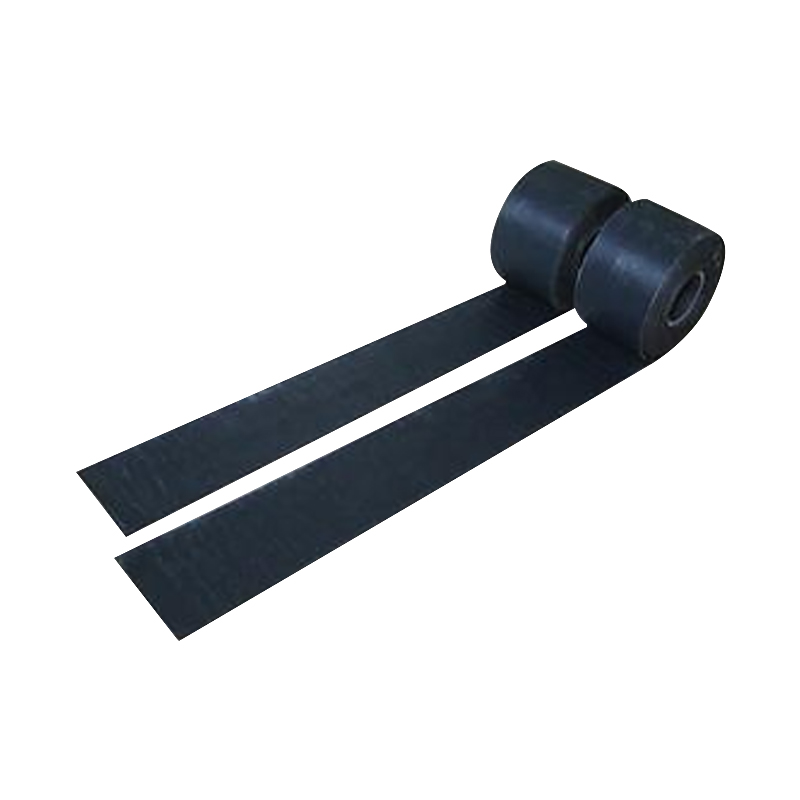
The hopper acts like a drum, amplifying the sound of falling and shredded material. Applying a constrained layer damper (CLD) to the outer surface of the hopper can reduce this radiated noise by 3 to 6 dB(A). This is a low-cost, high-impact modification.
Comparing Noise Control Methods by Effectiveness
The table below summarizes the typical noise reduction you can expect from various interventions, based on industry data from machinery manufacturers and acoustic consultants.
| Control Method | Typical Reduction (dB(A)) | Best For |
|---|---|---|
| Full Acoustic Enclosure | 15 - 25 dB(A) | Operator station proximity |
| Partial Barrier (2-3 sides) | 5 - 10 dB(A) | Warehouse floor layouts |
| Vibration Isolation Mounts | 3 - 8 dB(A) | Low-frequency rumble |
| Hopper Damping | 3 - 6 dB(A) | Impact and material noise |
Material-Specific Noise Challenges
The type of material being processed dramatically changes the noise profile. A solution that works for cardboard may fail for scrap metal.
- Wood & Pallets: High impact, low frequency. Focus on damping the feed chute and isolating the foundation.
- Metal Scrap: Extremely high impact and piercing frequencies. Requires full enclosures with reinforced, mass-loaded panels. Peak levels can exceed 105 dB(A).
- Plastics & Rubber: Tearing and shearing noise with moderate frequency. Quieter knives and sharpness maintenance are key. Dull blades can increase noise by 3-5 dB(A).
- Paper/Cardboard: Mostly low-frequency thumping and air turbulence. Enclosures are effective but must be designed to handle dust and static.
Administrative and Maintenance Solutions
While engineering controls are preferred, operational changes provide immediate, cost-effective relief.
- Blade Sharpness: Implement a strict blade maintenance schedule. Dull blades increase cutting resistance, directly spiking noise levels by 10-20%. A study of shear shredders found that newly sharpened blades reduced operational noise by an average of 4 dB(A).
- Lubrication: Regular greasing of bearings and moving parts eliminates squeaks and rattles that contribute to the overall noise floor.
- Speed Control: If the shredder has a variable frequency drive (VFD), reducing the rotor speed during lighter loads can drastically cut noise. A 20% reduction in speed can result in a 3-5 dB(A) noise reduction.
The Role of Professional Manufacturing Standards
Precision in manufacturing plays a foundational role in noise control. High-quality equipment from experienced manufacturers inherently runs quieter due to tighter tolerances and superior build quality. For instance, Jiangsu Saide Machinery Co., Ltd., covering an area of 50,000 square meters, integrates precision engineering into its core philosophy. As a professional Industrial Shredders manufacturer and supplier, the company's engineering team ensures that components are perfectly balanced and aligned. This attention to detail, backed by the ISO9001:2000 certification, minimizes unnecessary vibration and mechanical noise right from the start. Their focus on developing advanced stretching devices and post-processing equipment translates into a robust final product where structural integrity reduces resonant noise. For the end-user, sourcing equipment from such specialized manufacturers means inheriting a machine that has already been engineered for quieter operation, reducing the burden of aftermarket noise control.