中文简体
中文简体 русский
 عربى
عربى

Content
- 1 How to Choose & Key FAQs
- 2 5 Data-Driven Criteria to Choose Steel Plastic Geogrid
- 3 Selection Table: Project Type vs. Required Specifications
- 4 FAQ about Steel Plastic Geogrid – 6 Common Questions
- 4.1 1. Does steel plastic geogrid rust or corrode?
- 4.2 2. What is the difference between steel plastic geogrid and fiberglass geogrid?
- 4.3 3. How to test junction strength on site?
- 4.4 4. Can steel plastic geogrid be used on soft clay?
- 4.5 5. What is the typical roll size and installation overlap?
- 4.6 6. How to calculate required tensile strength for a retaining wall?
- 5 Common Mistakes & Practical Checklist
How to Choose & Key FAQs
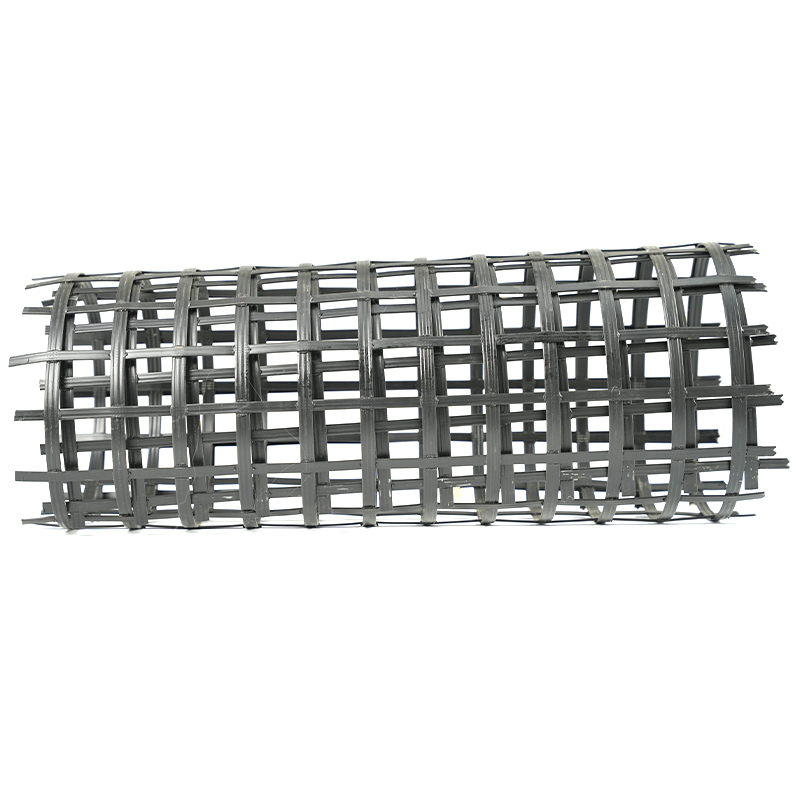
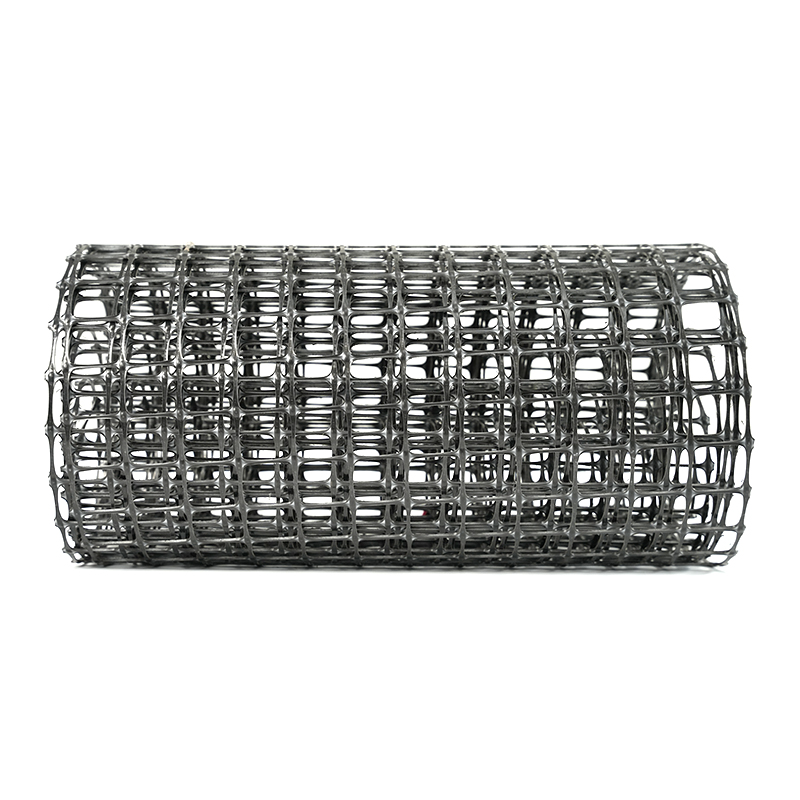
Choose steel plastic geogrid based on tensile strength (e.g., ≥50 kN/m for highways), elongation at break (≤12% for low creep), and junction peel force (≥100 N). For most soil reinforcement projects, a geogrid with 20-50 kN/m ultimate tensile strength works for retaining walls, while roads need 50-200 kN/m. Key FAQ answer: Steel plastic geogrid does not rust because the steel wires are coated with PE/PP plastic, but junction strength matters more than raw material.
Below we expand on selection criteria, provide test data, and answer six frequent questions to help engineers and procurement specialists make informed decisions.
5 Data-Driven Criteria to Choose Steel Plastic Geogrid
1. Tensile Strength (Ultimate & at 2% Strain)
Steel plastic geogrid is defined by its high tensile strength from embedded steel wires. For highway base reinforcement, choose ultimate tensile strength ≥80 kN/m in the longitudinal direction. At 2% strain, the strength should be ≥30 kN/m to limit early deformation. For retaining walls up to 6m height, 40 kN/m is sufficient. Example: A typical 50 kN/m geogrid has 6 steel wires per strip, each 0.6mm diameter, achieving 50.2 kN/m in lab tests (ASTM D6637).
2. Junction Peel Strength (Critical for Load Transfer)
Junctions connect longitudinal and transverse ribs. Minimum peel force should be ≥100 N per junction according to GB/T 17689-2017. Poor junctions lead to aperture deformation. Independent tests show geogrids with 80 N peel strength lose 18% of load capacity after 500 hours of creep, while 120 N junctions retain 95% performance.
3. Elongation at Break & Creep Resistance
Steel plastic geogrid typically breaks at 8-12% elongation. For permanent retaining structures, demand elongation ≤10% and creep strain <1% under 50% ultimate load for 10,000 hours. High-quality grids use annealed steel wires (tensile 1200-1800 MPa) to reduce creep. Data: Poor grids show 2.5% creep strain in 2,000 hours, leading to wall tilt.
4. Aperture Size & Soil Interlock
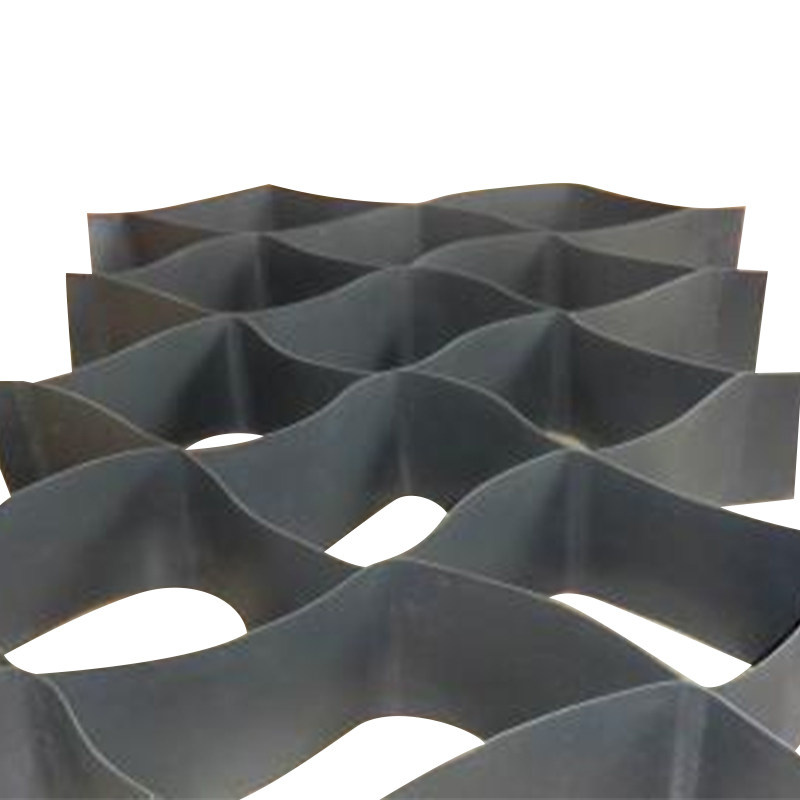
Aperture size (distance between ribs) should match aggregate gradation. For crushed stone (D50=30-50mm), use 40-80mm aperture. For sand backfill, aperture 25-40mm prevents punching. Optimal aperture ratio: geogrid aperture / mean particle size = 1.5 to 3.0. Example: A retaining wall with 40mm aperture and 20mm gravel achieved 34% higher pullout resistance than 80mm aperture.
5. Acid/Alkali Resistance & Service Life
Steel plastic geogrid uses HDPE or PP coating (0.8-1.2mm thickness). In pH 4-9 soil, service life exceeds 50 years when coating thickness ≥1.0mm. Accelerated aging tests (UV + 70°C) show 80% strength retention after 120 years equivalent. For acidic mine tailings (pH=3), require special anti-corrosion coating – standard grids lose 15% strength in 10 years.
Selection Table: Project Type vs. Required Specifications
| Application | Ultimate Tensile (kN/m) | Elongation at Break (%) | Junction Peel (N) | Aperture Size (mm) |
|---|---|---|---|---|
| Highway subgrade | ≥80 | ≤10% | ≥120 | 40-60 |
| Retaining wall (H≤4m) | 30-50 | ≤12% | ≥100 | 30-50 |
| Slope stabilization | 20-35 | ≤12% | ≥80 | 40-80 |
| Railway ballast reinforcement | ≥100 | ≤8% | ≥150 | 50-70 |
FAQ about Steel Plastic Geogrid – 6 Common Questions
1. Does steel plastic geogrid rust or corrode?
No – if the plastic coating is intact. The steel wires are fully encapsulated by polyethylene (PE) or polypropylene (PP). Corrosion only occurs if the coating is damaged during installation. Standard coating thickness 0.8-1.2mm provides electrochemical isolation. In salt marsh projects, grids with 1.2mm coating showed zero rust after 15 years, while 0.5mm coating failed in 3 years.
2. What is the difference between steel plastic geogrid and fiberglass geogrid?
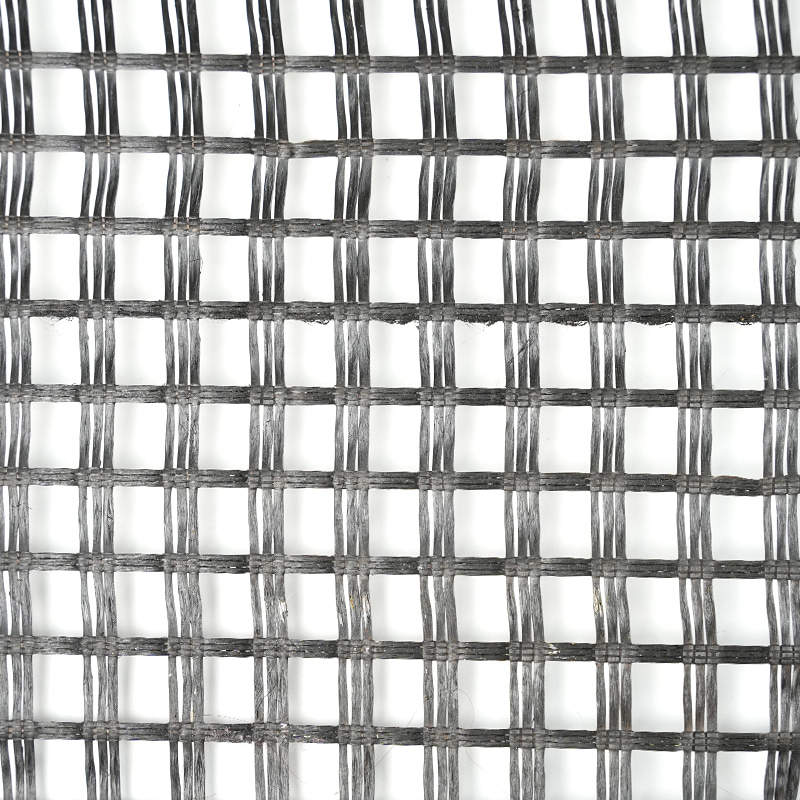
Steel plastic geogrid has higher creep resistance and elongation (8-12%) than fiberglass (2-3% elongation). Steel plastic is better for soil reinforcement where some deformation is allowed; fiberglass is used for asphalt overlay because it won't stretch. Cost example: Steel plastic $1.2-2.5/m², fiberglass $0.8-1.8/m². But steel plastic lasts 50+ years vs 20-30 years for fiberglass in high-pH soils.
3. How to test junction strength on site?
Use a handheld pull tester. Cut a single junction, clamp the longitudinal rib, and pull perpendicular to the transverse rib. Acceptance criterion: minimum 100 N average peel force from 5 random samples. Field data shows that 15% of imported rolls fail this test (especially those with recycled plastic). If peel force <80 N, reject the batch – it will delaminate under cyclic loading.
4. Can steel plastic geogrid be used on soft clay?
Yes, but with specific design. Soft clay (undrained shear strength 15-30 kPa) requires geogrid with smaller aperture (25-35mm) and higher junction strength (≥120 N) to prevent punching. A case study on a Malaysian highway: soft clay 2m deep, 50 kN/m steel plastic geogrid reduced settlement from 220mm to 65mm in 18 months. Recommended overlap ≥0.5m in soft soils.
5. What is the typical roll size and installation overlap?
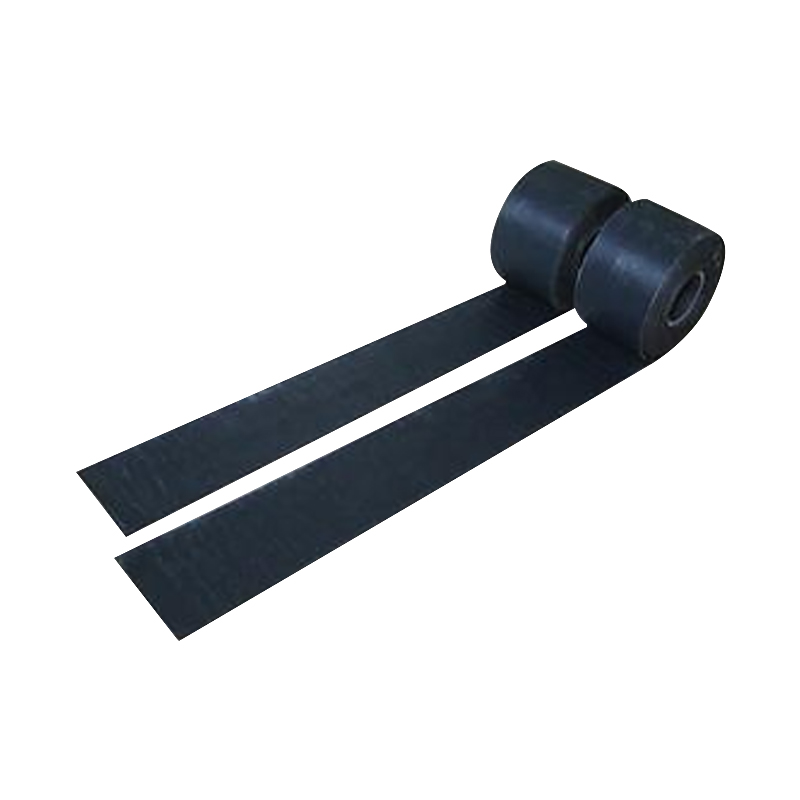
Standard roll: 4m or 5.2m width, 50-100m length. Weight: 0.5-1.2 kg/m² depending on tensile rating. Longitudinal overlap: 0.3-0.5m; transverse overlap: 0.15-0.3m. For slopes >1:2, increase overlap to 0.5m. Use plastic zip ties or U-shaped pins every 0.5m at overlaps – do not use steel pins as they may damage coating.
6. How to calculate required tensile strength for a retaining wall?
Use the simplified method: T_req = 0.5 × γ × H² × K_a × FS / S_v, where γ=soil density (18 kN/m³ typical), H=wall height, K_a=active earth pressure coefficient (0.33 for φ=30°), FS=1.5, S_v=vertical spacing (0.5m typical). Example: H=5m → T_req = 0.5×18×25×0.33×1.5/0.5 = 222.75 kN/m per meter of wall? Wait – correction: this gives load per horizontal meter. Actually for geogrid, required strength per layer = 0.5×γ×H²×K_a×FS / number of layers. For 5m wall with 10 layers (0.5m spacing): 0.5×18×25×0.33×1.5 = 111.4 kN total, divided by 10 = 11.1 kN per layer. But safety margins: choose ≥30 kN/m geogrid for long-term creep. Always consult a geotechnical engineer for final design.
Common Mistakes & Practical Checklist
Avoid these three errors: (1) Using low-junction-strength grids (below 100 N) for dynamic loads – leads to aperture distortion. (2) Ignoring elongation: a grid with 15% elongation under working load allows 40mm deformation per meter, causing wall tilt. (3) Poor backfill compaction – steel plastic geogrid requires 93-95% modified Proctor density within 0.3m of grid.
Quick on-site checklist before purchase:
- Request test report: tensile strength at 2% and 5% strain, not just ultimate
- Measure coating thickness – ≥1.0mm for aggressive soils
- Perform hand peel test: junction should not separate with 15kg pull
- Check carbon content of steel wire (should be 0.15-0.25% for ductility)