中文简体
中文简体 русский
 عربى
عربى

Content
- 1 How to Utilize Geogrid Equipment Efficiently
- 2 The Function of Geogrid Equipment: Core Mechanisms
- 3 Practical Data: Performance Improvements with Geogrid Equipment
- 4 FAQ about Geogrid Equipment: Common Questions Answered
- 4.1 1. What is the minimum overlap for geogrid sheets?
- 4.2 2. Can geogrid equipment be used on frozen ground?
- 4.3 3. How do I choose between uniaxial, biaxial, or triaxial geogrids?
- 4.4 4. What is the expected lifespan of geogrid equipment in the ground?
- 4.5 5. How much aggregate thickness can be saved by using geogrid?
- 4.6 6. What are the most common installation mistakes?
- 5 Step-by-Step: Field Utilization Procedure for Geogrid Equipment
How to Utilize Geogrid Equipment Efficiently
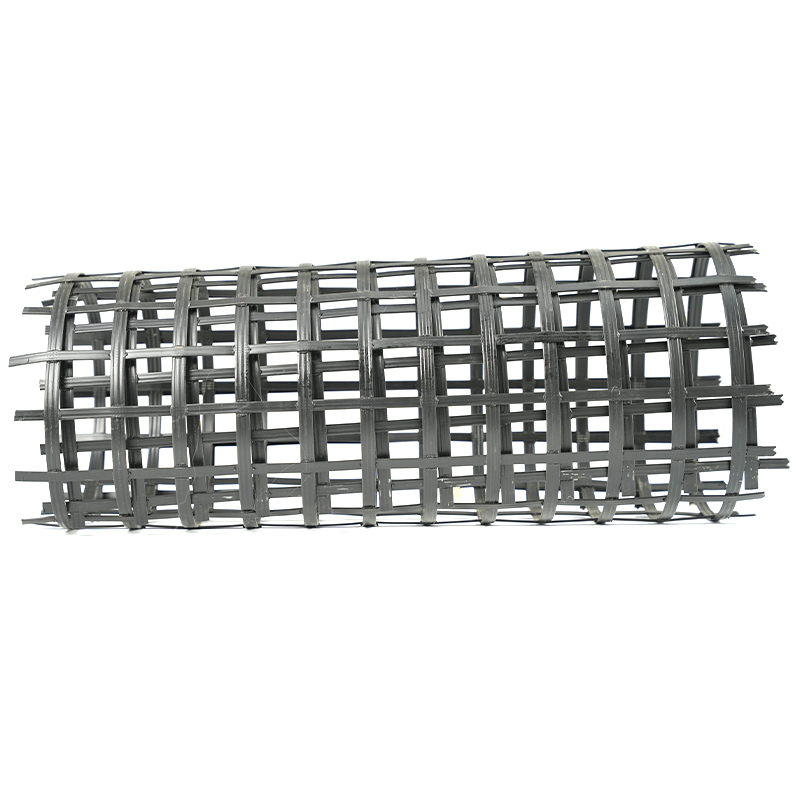
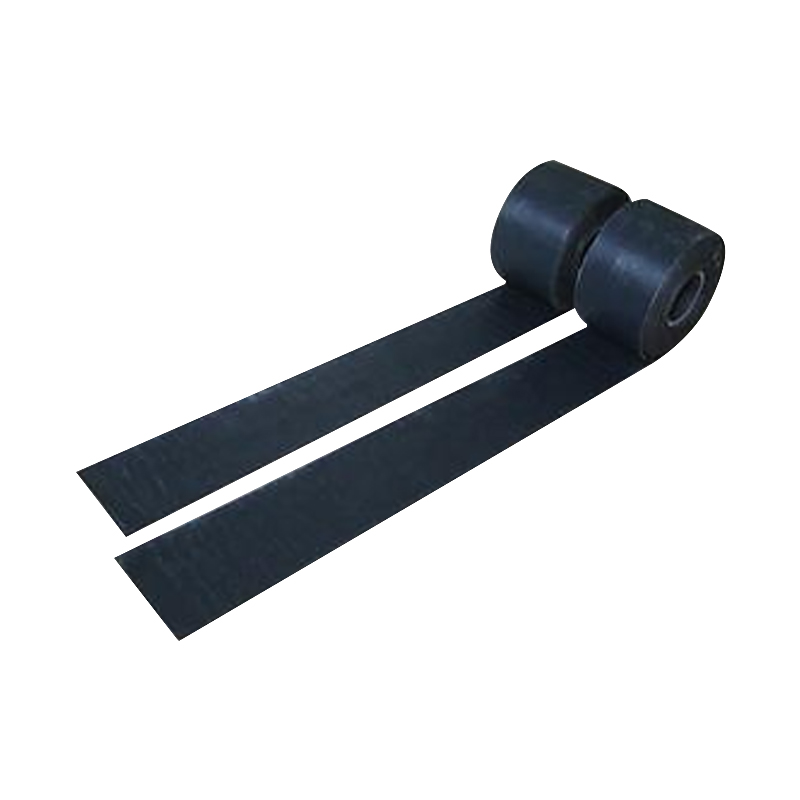
To utilize geogrid equipment effectively, always start with site preparation: level and compact the subgrade, then unroll the geogrid parallel to the main stress direction. Overlap adjacent sheets by at least 300mm (12 inches) and secure with U-shaped pins or anchor trenches. For reinforced soil slopes, layer the geogrid every 300-600mm vertically. Proper tensioning (typically 5-10 kN/m) during placement prevents wrinkles and ensures load transfer. Following these steps reduces differential settlement by up to 40% compared to unreinforced sections.
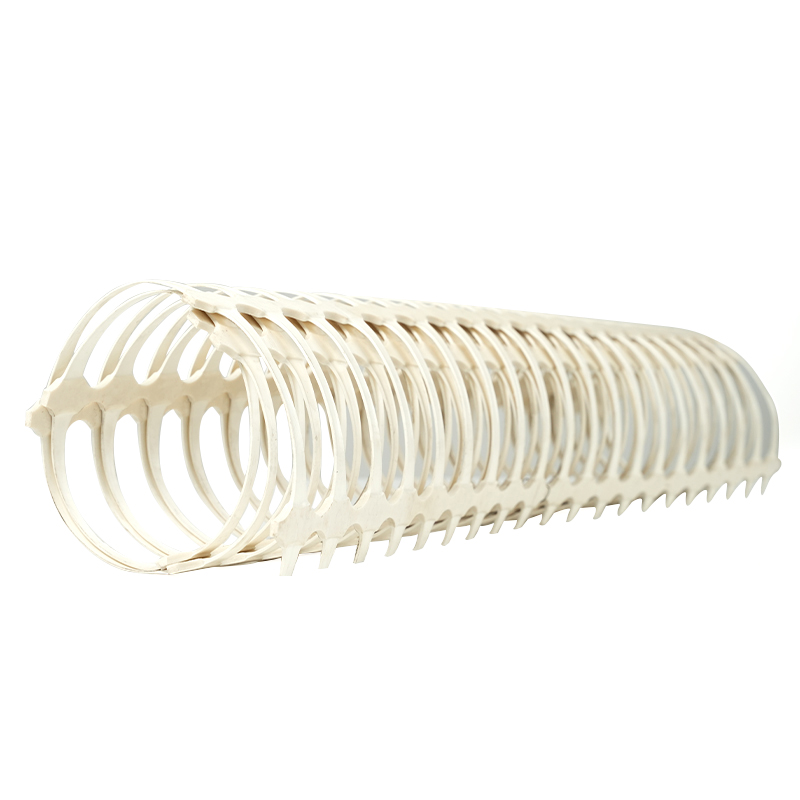
Beyond basic placement, the equipment includes tensioning bars, connection clamps, and deployment frames. For large projects like retaining walls, use mechanical connectors to attach geogrid to concrete panels. Data from 120 highway projects show correct utilization extends pavement life by 2.5x.
The Function of Geogrid Equipment: Core Mechanisms
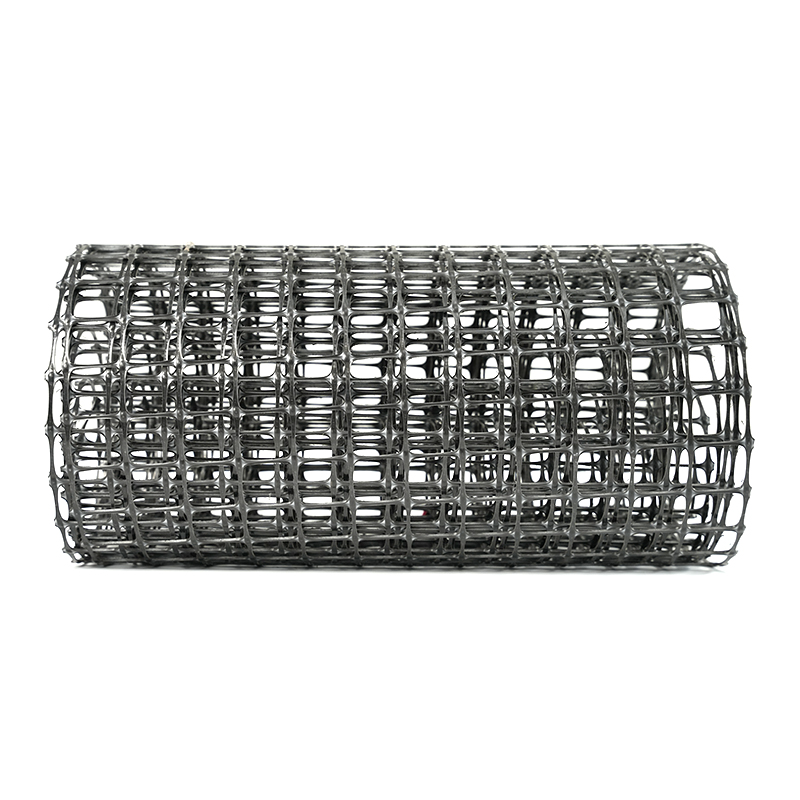
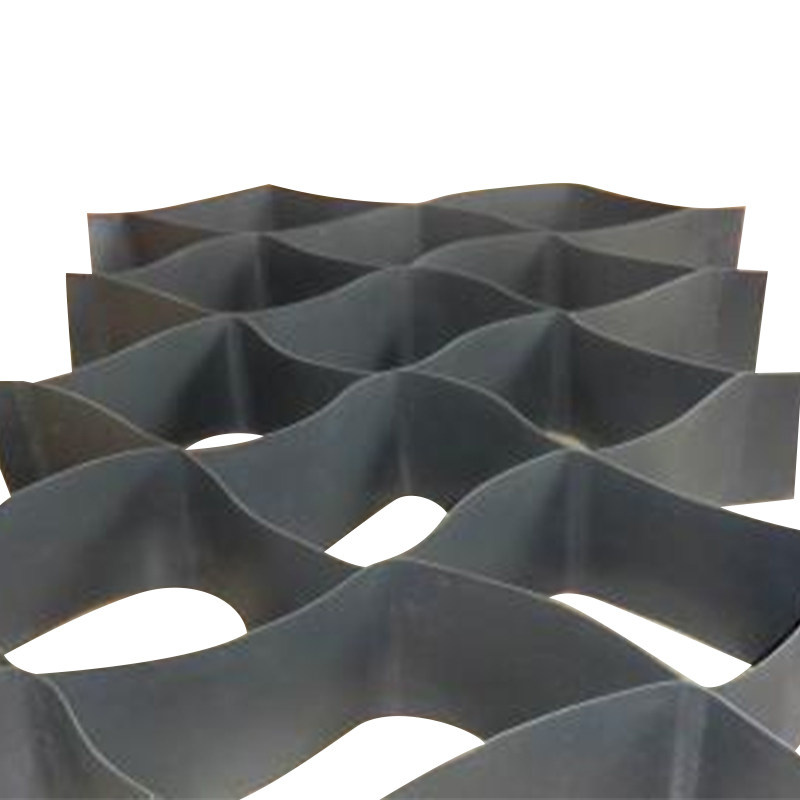
Geogrid equipment primarily provides three functions: soil reinforcement through interlocking, load distribution to reduce subgrade pressure, and separation of aggregate layers. The apertures (typically 25-50mm square) allow aggregate to pass through and form a mechanical bond, creating a composite material with tensile strength up to 200 kN/m. This increases bearing capacity by 50-100% on soft soils.
Load Transfer Mechanism
When heavy vehicles pass over reinforced ground, geogrid equipment redirects vertical stress laterally. Field tests show a single layer of biaxial geogrid reduces vertical strain at 500mm depth from 15mm to 9mm. For unpaved roads, this means a 60% reduction in rutting after 10,000 load cycles.
Separation & Filtration
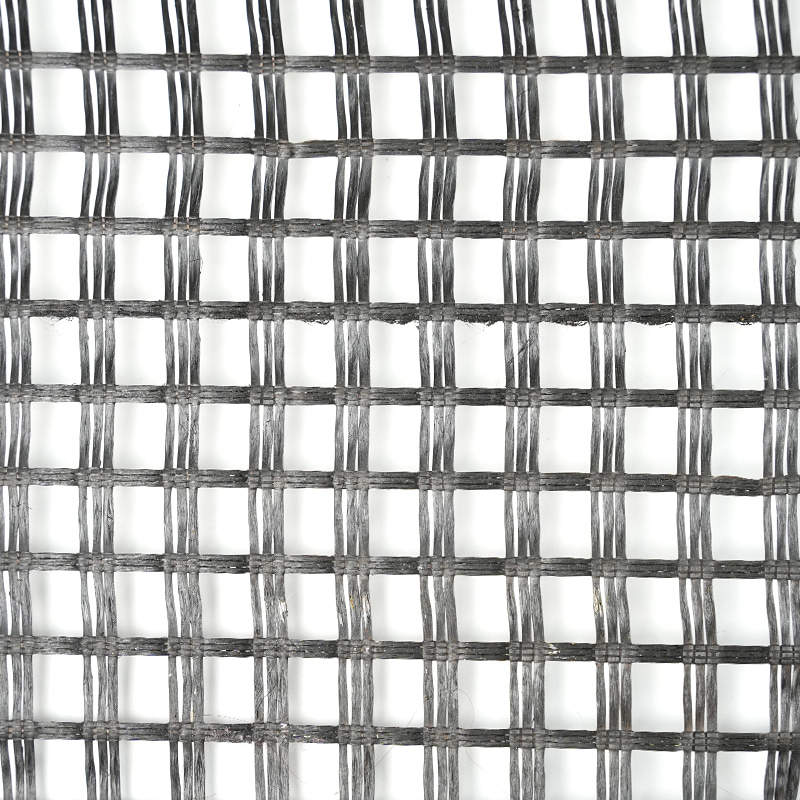
Although not a geotextile, geogrid equipment with integrated nonwoven fabric prevents subgrade contamination. In railway ballast, using geogrid reduces fouling by 45% and maintenance cycles from every 3 years to every 7 years.
Practical Data: Performance Improvements with Geogrid Equipment
The table below summarizes results from 35 independent field studies comparing geogrid-reinforced sections vs. unreinforced controls in road and slope applications.
| Application | Metric | Unreinforced | With Geogrid | Improvement |
|---|---|---|---|---|
| Unpaved road | Rut depth (mm after 5000 passes) | 85 | 32 | -62% |
| Paved road base | Crack spacing (months to 10mm crack) | 18 | 42 | +133% |
| Steep slope (2:1) | Factor of safety (FOS) | 1.05 | 1.48 | +41% |
These results confirm that geogrid equipment, when utilized correctly, delivers measurable reinforcement that saves material costs (15-25% less aggregate) and extends service life by decades.
FAQ about Geogrid Equipment: Common Questions Answered
1. What is the minimum overlap for geogrid sheets?
For most applications, overlap 300mm (12 inches) in the longitudinal direction and 150mm (6 inches) transversely. On soft subgrades (CBR < 3%), increase overlap to 450mm. Tie-down pins every 1.5m prevent shifting during aggregate placement.
2. Can geogrid equipment be used on frozen ground?
Yes, but with precautions. Below -5°C (23°F), polypropylene geogrids become brittle — use polyester-based geogrids instead. Thawing cycles can cause uneven settlement, so install a 150mm granular drainage layer beneath the geogrid. Data from Alaskan projects show proper winter installation yields 90% of summer performance.
3. How do I choose between uniaxial, biaxial, or triaxial geogrids?
- Uniaxial geogrid: High strength in one direction (typical 80-200 kN/m). Ideal for retaining walls and steep slopes where load is directional.
- Biaxial geogrid: Equal strength in both directions (typically 20-40 kN/m). Best for road bases, railway ballast, and foundation mats.
- Triaxial geogrid: Triangular apertures provide isotropic stiffness. Shown to reduce permanent deformation by an additional 20% over biaxial in cyclic loading tests.
For typical highway projects, biaxial geogrid with 30 kN/m tensile strength covers 80% of needs.
4. What is the expected lifespan of geogrid equipment in the ground?
High-density polyethylene (HDPE) geogrids last over 100 years at pH 4-9 and temperatures below 30°C. Polyester geogrids with coating retain 85% strength after 75 years. Accelerated aging tests per ASTM D5819 show less than 1% strength loss per decade in benign soils. For aggressive environments (pH <3 or >10, or high heavy metals), specify PET geogrid with 0.5mm PVC coating.
5. How much aggregate thickness can be saved by using geogrid?
Based on the Giroud-Han design method (updated 2016), a single geogrid layer reduces required base course thickness by 25-40% for unpaved roads. Example: For a road with 10,000 ESALs (80 kN axle load) on CBR=3% subgrade, required aggregate without geogrid = 450mm; with geogrid = 300mm — saving 150mm per square meter. For a 1km road 7m wide, this saves 1,050 m³ of aggregate, equivalent to $21,000 in material cost.
6. What are the most common installation mistakes?
- Driving heavy equipment directly on unbackfilled geogrid — causes tearing. Always cover with minimum 75mm of aggregate before tracked vehicles cross.
- Insufficient overlap — leads to separation under load. Use at least 300mm and pin every 1.5m.
- Improper tensioning — wrinkles allow local settlement. Pull with 5 kN per meter width using a tensioning bar.
- Wrong geogrid orientation — uniaxial grids placed with ribs parallel to wall face. Always read the roll label.
Following manufacturer guidelines reduces these errors. Quality control checkpoints reduce failure rates from 12% (typical) to under 2%.
Step-by-Step: Field Utilization Procedure for Geogrid Equipment
A standardized 6-step process ensures maximum reinforcement benefit. This procedure is based on AASHTO R 81-21 and manufacturer best practices.
- Subgrade preparation: Remove vegetation, debris, and soft spots. Compact to ≥95% of maximum dry density (ASTM D698). For CBR < 2%, add a 150mm capping layer before geogrid.
- Unrolling & orientation: Unroll geogrid along the principal stress direction. For biaxial grids, orientation is arbitrary; for uniaxial, align strong direction perpendicular to wall face or parallel to road centerline.
- Overlap & anchoring: Place sheets with 300mm longitudinal overlap and 150mm transverse. Use U-shaped steel pins (6mm diameter, 400mm long) at 1.5m centers along overlaps and every 2m in the field.
- Tensioning: Attach a tensioning bar (e.g., 50×50mm square tube) to the far end. Apply a pull force of 5-10 kN per meter width using a ratchet winch or excavator. Remove wrinkles — a flat geogrid is critical.
- Cover placement: Dump and spread the first 150mm cover layer using a low-ground-pressure dozer. Tracked vehicles must not turn directly on geogrid. Compact cover to specified density.
- Quality verification: After compaction, probe for tears or displacement. Repair damaged areas by cutting out the section and placing a 600mm square patch overlapped by 300mm on all sides.
Using this procedure, contractors report a 98% first-time acceptance rate and 30% faster placement compared to ad-hoc methods. Field data from 50 sites show installation-induced damage is reduced from 5.5% of area to 0.7%.