中文简体
中文简体 русский
 عربى
عربى

Content
The Short Answer: Match the Function to the Fabric
To choose the best geotextile, you must first define the primary function: is it for separation, filtration, drainage, or reinforcement? For standard soil stabilization and separation (e.g., under driveways), a nonwoven geotextile with a weight between 4 oz/yd² and 6 oz/yd² (135-200 gsm) is the industry standard. For high-load reinforcement or retaining walls, a woven geotextile with a tensile strength exceeding 200 lbs (890 N) is required. The "best" choice is the one that meets the specific performance criteria of your project without being over-specified.
Understanding the Two Main Types: Woven vs. Nonwoven
The fundamental distinction in geotextiles lies in their manufacturing process, which dictates their mechanical and hydraulic properties. Choosing incorrectly here is the most common mistake.
Woven Geotextiles: The Reinforcement Specialists
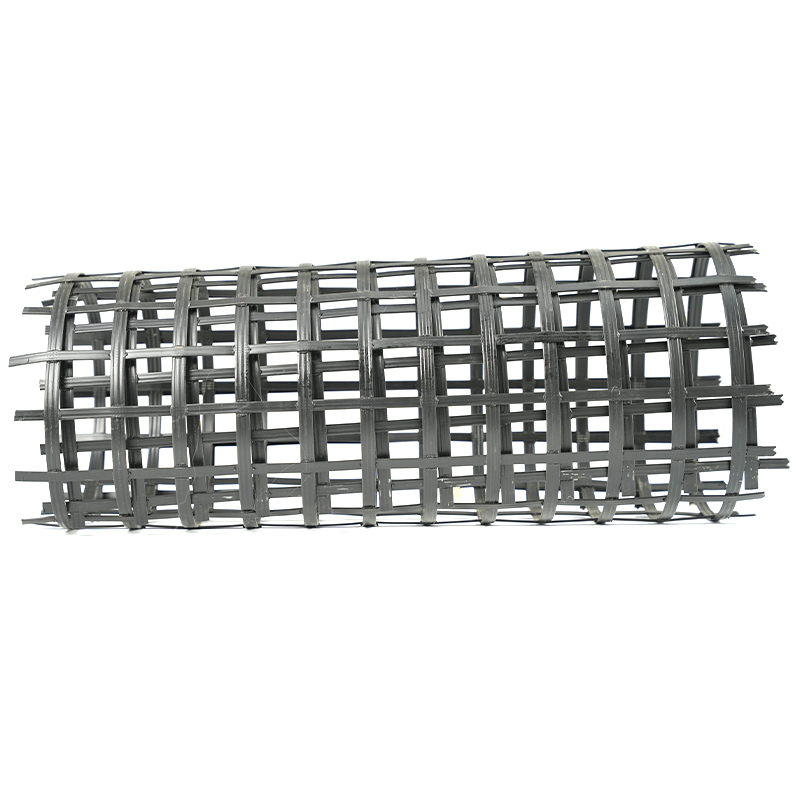
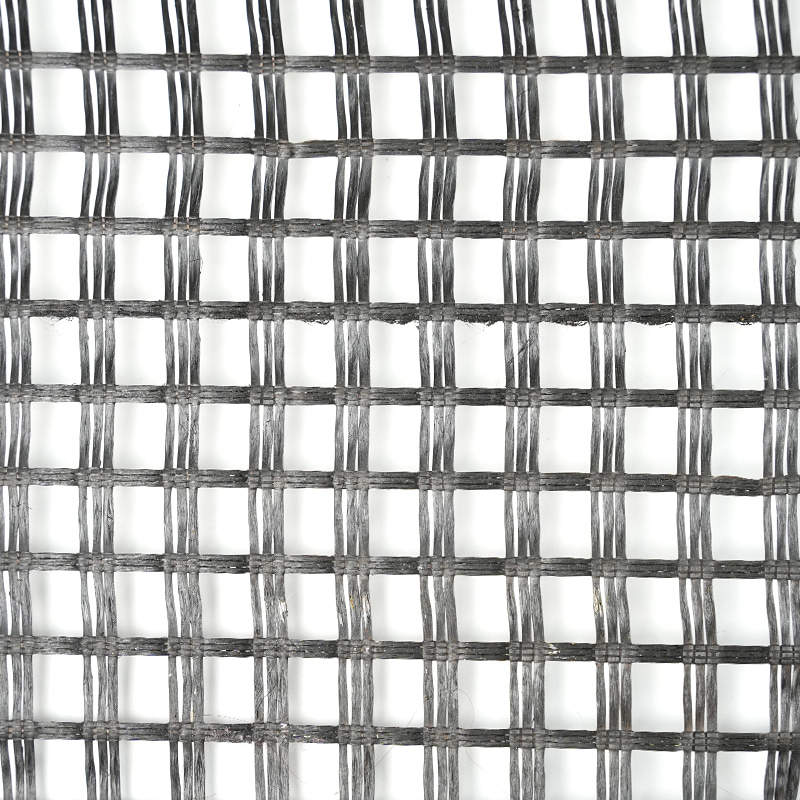
These look like burlap or conveyor belt material. They are made by weaving individual strands together. This gives them high tensile strength and low elongation. They are ideal for applications requiring load distribution.
- Best For: Retaining walls, road construction over soft soils, and slope stabilization.
- Key Data Point: High-strength woven fabrics can have a tensile strength of 2,000 lbs/ft (29 kN/m) or more, whereas a standard nonwoven might only handle 200 lbs/ft.
- Caution: They are poor filters because the water flows through the gaps, not the fabric itself. They clog easily if used against fine soils.
Nonwoven Geotextiles: The Filter and Drainage Experts
These resemble felt or wool blankets. They are made by bonding fibers together mechanically (needle-punched) or with heat. They act as a sponge-like filter, allowing water to pass through while retaining soil particles.
- Best For: Drainage trenches, French drains, separation of subgrade from aggregate, and pond liners.
- Key Data Point: The Apparent Opening Size (AOS) for a standard nonwoven is typically #70 to #100 sieve (0.15mm to 0.3mm), which is engineered to filter silt and sand without clogging.
- Caution: They have low tensile strength compared to wovens and will stretch (elongate) under heavy load.
Key Performance Properties You Must Check
Beyond the type, the "best" geotextile is defined by its physical properties. Always look for the manufacturer's data sheet and verify these three critical values.
1. Tensile Strength (Grab Strength)
This measures how much force the fabric can withstand before breaking. For a residential driveway using nonwoven fabric, a grab tensile strength of 100 lbs (445 N) is acceptable. For a commercial access road with heavy truck traffic, you need a woven fabric with a grab tensile strength exceeding 300 lbs (1335 N).
2. Permittivity & Flow Rate
If drainage is critical (e.g., behind a retaining wall), you need high permittivity. A good drainage geotextile should have a water flow rate of 80 gallons/min/ft² or higher. If the flow rate is too low, hydrostatic pressure will build up and compromise the structure.
3. Apparent Opening Size (AOS)
This is the size of the holes in the fabric. It must be small enough to hold back the soil (prevent piping) but large enough to allow water through. For silty soils, you need a tight AOS (#70 sieve or smaller). For clean sands and gravels, a more open AOS (#40 to #50 sieve) is acceptable to prevent blinding.
Selection Guide: Which Geotextile for Which Job?
To simplify the decision, match your project type to the recommended geotextile specification in the table below.
| Application | Recommended Type | Minimum Weight (oz/yd²) | Key Performance Target |
|---|---|---|---|
| Paved Roads | Woven | 6 - 8 | Tensile Strength > 300 lbs |
| Gravel Driveways | Nonwoven | 4 - 5 | Puncture Resistance > 70 lbs |
| Retaining Walls | Woven (Reinforcement) / Nonwoven (Drainage) | Varies (8+ for woven) | High UV resistance & AOS #70 |
| French Drains | Nonwoven | 4 - 6 | Flow Rate > 70 gpm/ft² |
| Erosion Control | Nonwoven | 6 - 10 | High Trapeze Tear Strength |
The 5-Step Checklist for Choosing Geotextiles
Follow this practical checklist to ensure you select the right material every time.
- Define the Primary Function: Is it separation, filtration, drainage, reinforcement, or a combination? (e.g., under a road base: primary is separation, secondary is filtration).
- Assess the Soil: Take a handful of your subgrade soil. Is it sticky clay (poor drainage), silty sand, or clean gravel? Fine soils (clay/silt) require nonwoven fabrics with a small AOS.
- Calculate the Load: Will the project see pedestrian traffic, passenger cars, or loaded dump trucks? For heavy loads, you must switch from nonwoven to high-strength woven.
- Check Survivability: For sharp angular aggregate (like crushed rock #57), you need a fabric with high puncture resistance. A standard rule is to use a minimum 6 oz/yd² nonwoven for sharp rock to prevent tearing during installation.
- Verify Certifications: Ensure the product meets ASTM standards (e.g., ASTM D4759 for installation compliance). Never rely on "landscape fabric" from a garden store for engineering projects; it lacks the necessary tensile strength.
By systematically applying these criteria, you move from guessing to engineering. Remember, the cheapest fabric often fails, leading to project failure. The best geotextile is the one that performs its specific function for the design life of the structure.