中文简体
中文简体 русский
 عربى
عربى

Content
- 1 What Are Geotextiles? A Direct Definition
- 2 Geotextile Fabric vs. Landscape Fabric: Key Differences
- 3 Does Water Go Through Geotextiles? Permeability Explained
- 4 How to Dig a French Drain Around Your House: Step-by-Step
- 5 Geotextiles in Road Construction: Practical Applications
- 6 Geotextiles vs. Geomembranes: Understanding the Distinction
- 7 Core Functions of Geotextiles
- 8 Major Applications Across Industries
- 9 Frequently Asked Questions About Geotextiles
What Are Geotextiles? A Direct Definition
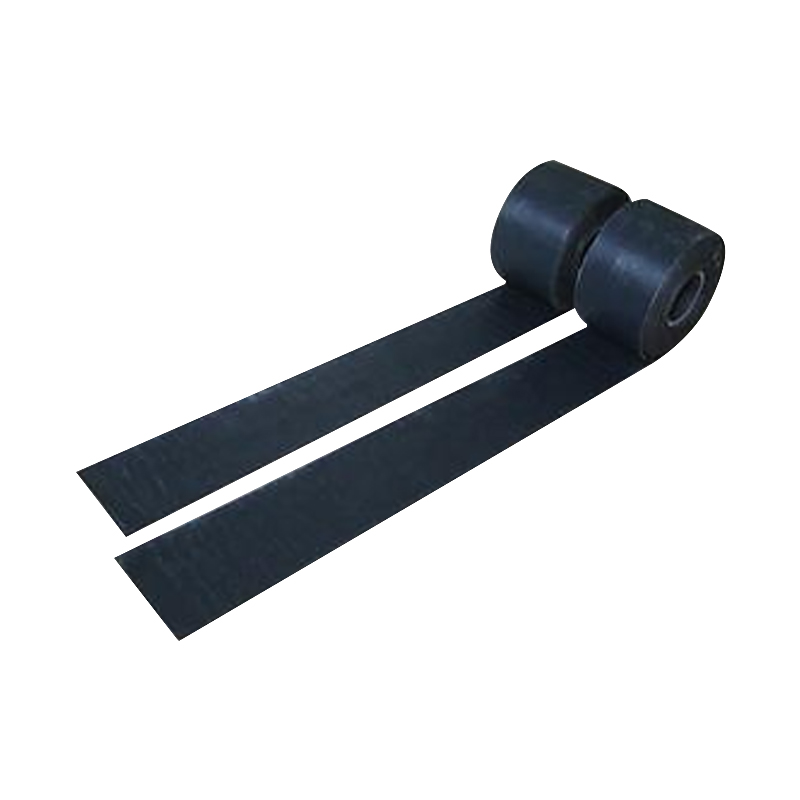
Geotextiles are permeable synthetic fabrics specifically engineered to improve soil stability, provide erosion control, and facilitate drainage in civil engineering and construction projects. Unlike regular textiles, geotextiles are manufactured from polymers such as polypropylene (PP) or polyester (PET) and are designed to withstand harsh underground conditions for 50-100 years.
The global geotextile market reached $5.8 billion in 2023 and is projected to grow at a CAGR of 6.5% through 2030, driven by increasing infrastructure investments worldwide. These materials are classified into three main types: woven (high tensile strength), non-woven (excellent filtration), and knitted (specialized applications).
Geotextile Fabric vs. Landscape Fabric: Key Differences
No, geotextile fabric and landscape fabric are not the same, though they share similar appearances. The distinction lies in engineering specifications, durability, and intended applications.
Critical Performance Variations
| Feature | Geotextile Fabric | Landscape Fabric |
|---|---|---|
| Tensile Strength | 20-200 kN/m | 5-15 kN/m |
| Lifespan | 50-100 years | 3-5 years |
| UV Resistance | High (stabilized) | Low to moderate |
| Primary Use | Civil engineering, roads | Weed control, gardening |
| Cost per sq ft | $0.30-$2.00 | $0.05-$0.25 |
For French drains or structural applications, always choose woven or non-woven geotextiles over landscape fabric. Standard landscape fabric will degrade within 2-3 seasons when buried, potentially causing system failure and requiring costly excavation.
Does Water Go Through Geotextiles? Permeability Explained
Yes, water flows through geotextiles, but the rate varies by type. This permeability is precisely why geotextiles function effectively in drainage systems. The key metric is "permittivity," measured in sec^-1.
Flow Rates by Geotextile Type
- Non-woven geotextiles: Permittivity of 0.5-5.0 sec^-1, allowing 140-400 gallons per minute per square foot (GPM/ft²) under standard head pressure
- Woven geotextiles: Lower permittivity (0.05-0.5 sec^-1) due to tight weave patterns, typically 10-80 GPM/ft²
- Monofilament woven: Specialized high-flow variants achieving 200+ GPM/ft² for critical drainage applications
For residential French drains, non-woven geotextiles with 4 oz/yd² weight provide optimal balance between filtration and flow. Heavier 6-8 oz variants suit areas with silty soils to prevent clogging while maintaining adequate drainage.
How to Dig a French Drain Around Your House: Step-by-Step
Installing a French drain with proper geotextile lining prevents water intrusion into basements and foundations. A properly installed system can divert 95% of surface and subsurface water away from your structure.
Installation Process
- Trench excavation: Dig a trench 18 inches deep and 9-12 inches wide along the perimeter, maintaining a slope of 1% (1 inch per 8 feet) toward the discharge point
- Base preparation: Add 2 inches of coarse gravel (¾-inch clean stone) at the trench bottom
- Geotextile placement: Line the entire trench with non-woven geotextile, allowing 12-inch overlap at seams and extending 6 inches above ground level
- Pipe installation: Place perforated PVC or corrugated pipe (4-inch diameter) on the gravel bed, holes facing downward
- Gravel surround: Fill trench with gravel to 2 inches below grade, then wrap geotextile over the top like a burrito
- Surface finish: Cover with soil and sod, or install decorative stone for visibility
Critical tip: Never skip the geotextile wrap. Without it, soil infiltration will clog your gravel bed within 2-3 years, reducing drainage capacity by up to 80% and necessitating complete system replacement.
Geotextiles in Road Construction: Practical Applications
Yes, geotextile use in road construction is highly practical and economically justified. The Federal Highway Administration (FHWA) estimates geotextile inclusion reduces road maintenance costs by 30-50% over a 20-year lifecycle.
Primary Road Construction Functions
- Subgrade separation: Prevents mixing of soft subgrade soils with aggregate base courses, maintaining structural integrity
- Reinforcement: Woven high-strength geotextiles (200+ kN/m) distribute loads over weak soils, increasing bearing capacity by 40-60%
- Filtration: Allows groundwater escape while preventing fines migration, reducing pumping failures by 90%
Real-World Performance Data
A 2019 study by the Minnesota Department of Transportation on 23 road projects showed:
- Roads with geotextile separation layers required 60% less aggregate (saving 12-18 inches of base material)
- Rutting decreased by 45% after 5 years of heavy traffic loading
- Construction time reduced by 25% due to elimination of over-excavation requirements
Geotextiles vs. Geomembranes: Understanding the Distinction
Geotextiles are permeable; geomembranes are impermeable. This fundamental difference dictates their respective roles in civil engineering projects.
| Characteristic | Geotextile | Geomembrane |
|---|---|---|
| Permeability | Permeable (allows water flow) | Impermeable (blocks water) |
| Common Materials | Polypropylene, Polyester | HDPE, LLDPE, PVC |
| Thickness Range | 0.5-5 mm | 0.5-3 mm (solid sheets) |
| Primary Applications | Drainage, filtration, reinforcement | Containment, liners, barriers |
| Typical Uses | French drains, road bases | Landfill liners, pond seals |
In many advanced systems, geotextiles and geomembranes work together. Geotextiles protect geomembranes from puncture damage while providing drainage pathways—a combination used in 85% of modern landfill designs.
Core Functions of Geotextiles
Geotextiles perform six essential functions in civil engineering, often simultaneously:
- Separation: Maintains distinct layers of different soil types, preventing contamination that reduces load-bearing capacity
- Filtration: Retains soil particles while allowing water passage—critical for retaining wall drainage and coastal protection
- Drainage: Channels water through the fabric plane (transmissivity), with high-flow variants achieving 0.5-20 liters per second per meter width
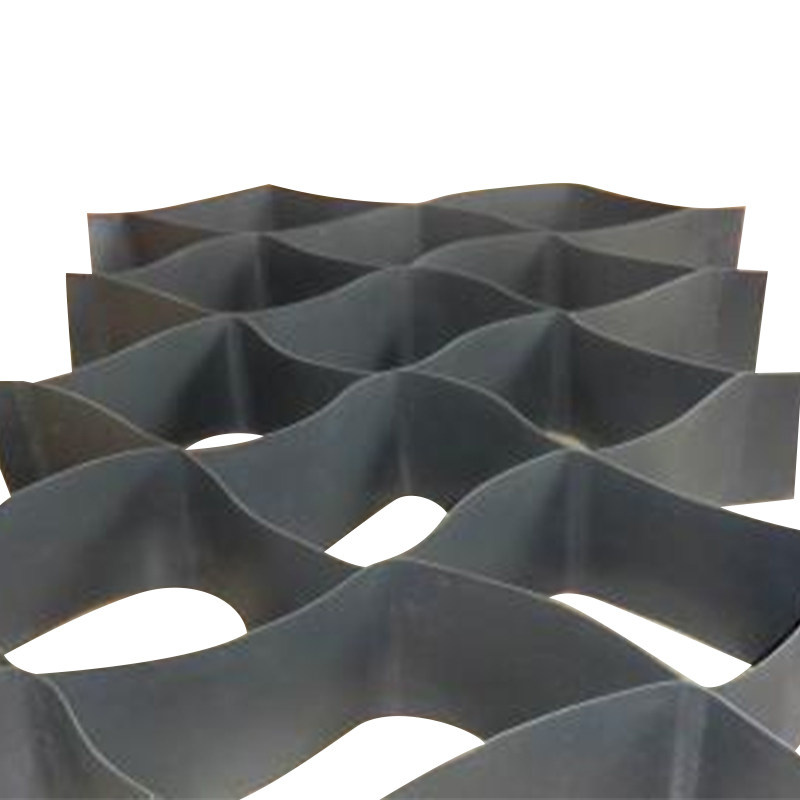
- Reinforcement: Provides tensile strength to soil structures, enabling construction of slopes up to 70 degrees that would otherwise fail
- Protection: Cushions geomembranes against puncture from underlying stones—reducing damage risk by 90%
- Erosion Control: Stabilizes soil surfaces against water and wind erosion, reducing sediment loss by 85-95% on construction sites
Major Applications Across Industries
Geotextiles serve diverse sectors with specific material requirements:
Transportation Infrastructure
Roads, railways, and airports utilize 15-20% of global geotextile production. Highways incorporate geotextiles in 65% of new construction projects in North America, primarily for subgrade stabilization over soft soils.
Environmental Protection
Landfill liners use composite systems where geotextiles protect HDPE geomembranes and provide leachate collection. Modern landfills require 3-5 layers of different geosynthetics for environmental safety compliance.
Coastal and Hydraulic Engineering
Coastal protection projects use geotextile tubes (sand-filled containers) up to 30 meters in circumference to create breakwaters and erosion barriers. These systems cost 40-60% less than traditional rock armor while providing equivalent wave energy absorption.
Residential and Commercial Construction
Beyond French drains, geotextiles support retaining walls, foundation waterproofing, and green roof systems. Green roof installations use specialized geotextiles for drainage retention and root penetration resistance.
Frequently Asked Questions About Geotextiles
How long do geotextiles last underground?
Properly installed geotextiles last 50-100 years when protected from UV exposure. Polypropylene resists biological degradation and chemical attack from soils with pH levels between 2 and 13.
Can I use geotextile fabric for weed control?
While technically possible, this is economically inefficient. Geotextiles cost 4-10 times more than dedicated landscape fabric. Use non-woven 4 oz geotextiles only in high-traffic areas where durability trumps cost.
What weight geotextile do I need for a driveway?
For residential driveways supporting passenger vehicles, use non-woven 4-6 oz/yd² (135-200 gsm). Commercial applications with heavy trucks require woven 200+ kN/m tensile strength or geogrids.
Do geotextiles clog over time?
Clogging occurs when soil particles block fabric pores. Non-woven geotextiles with apparent opening size (AOS) of 70-100 sieve balance filtration and flow. In silty soils (particles <0.075mm), use thicker 8 oz fabrics or install sand pre-filters.
Can geotextiles be used in contaminated soils?
Polyester geotextiles resist hydrocarbons and industrial chemicals better than polypropylene. For sites with pH extremes (<2 or >13) or high chemical contamination, specify chemically-resistant geotextiles with documented compatibility testing.