中文简体
中文简体 русский
 عربى
عربى

Content
- 1 Core Technical Principles and Process Flow
- 2 Key Performance Parameters and Engineering Application Comparison
- 3 Efficiency Gains from Production Line Automation Upgrades
- 4 Critical Quality Control Points
- 5 Industry Development Trends and Technological Evolution
- 6 Procurement and Maintenance Recommendations
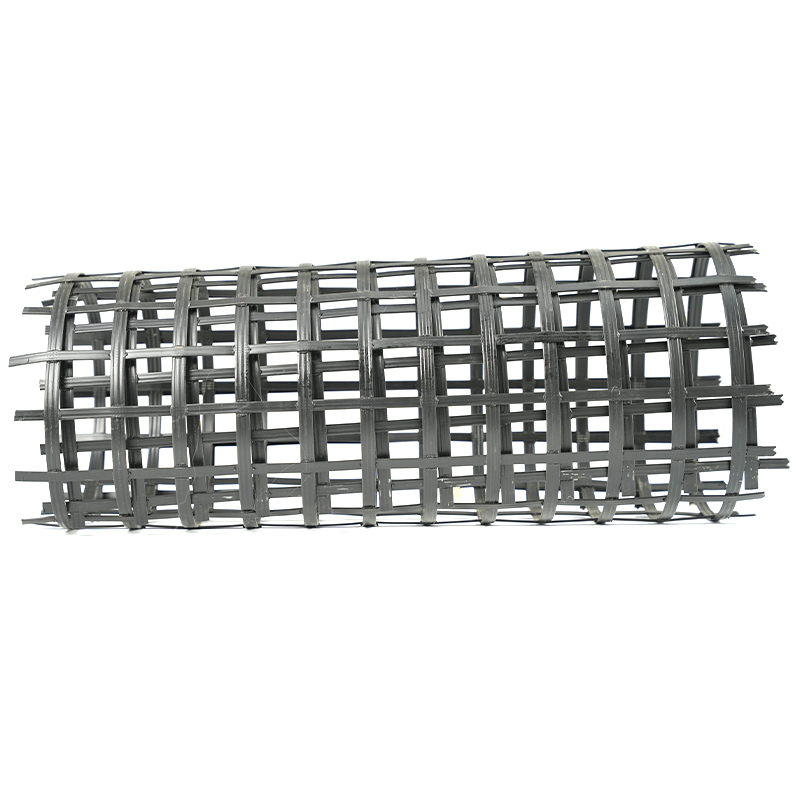
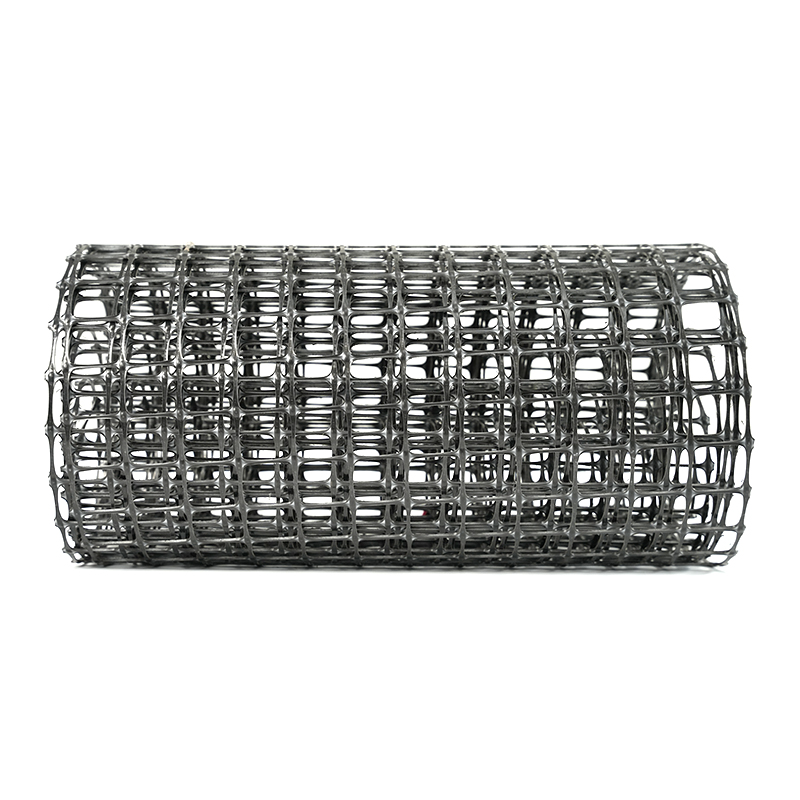
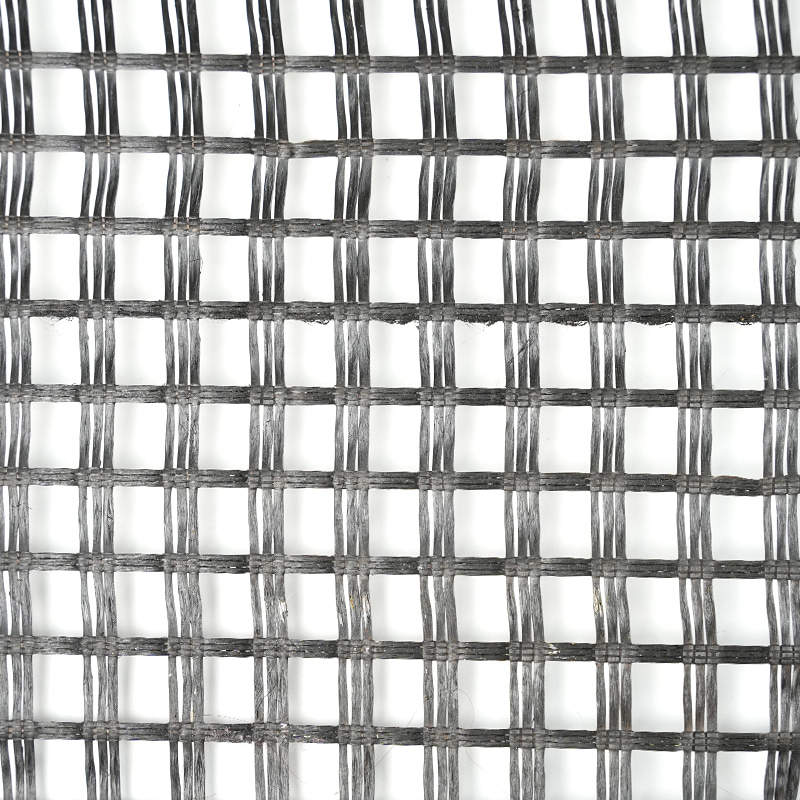
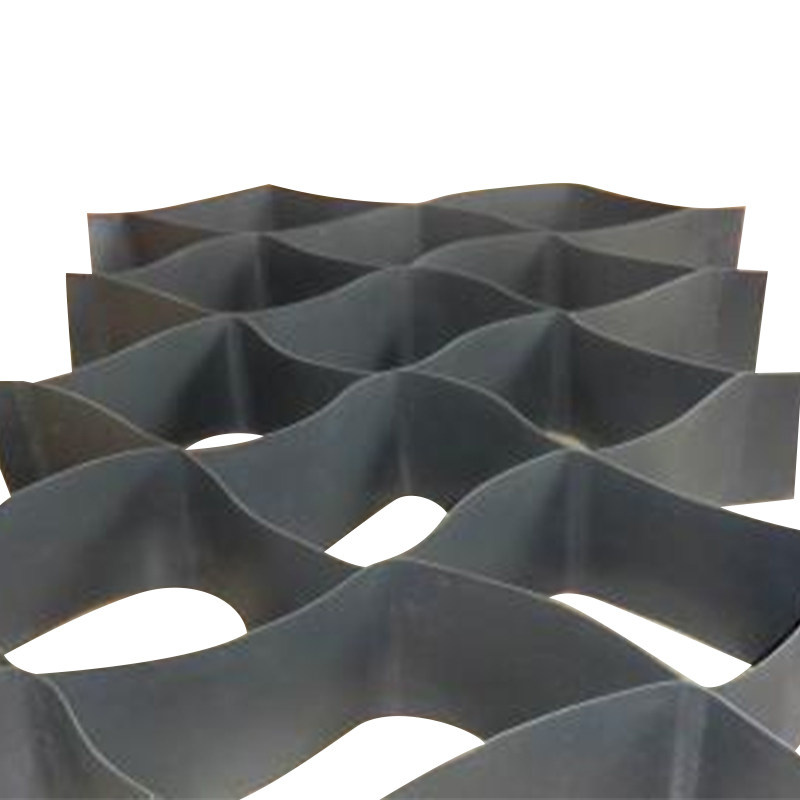
A bidirectional geogrid production line transforms polypropylene (PP) or polyethylene (PE) sheets into grid-structured materials with high tensile strength in both directions through automated stretching and welding processes. This production line directly determines the mechanical properties, dimensional stability, and engineering applicability of geogrids, making it an irreplaceable manufacturing foundation for road reinforcement, soft ground treatment, and slope protection applications.
Core Technical Principles and Process Flow
Raw Material Extrusion and Sheet Formation
The production line begins by heating and melting PP or PE pellets through an extruder, which then forms uniform sheets via a T-die. The extrusion temperature is typically controlled between 200°C and 240°C, with the melt flow rate (MFR) maintained within 1.5 to 3.0 g/10min to ensure orderly molecular chain arrangement in the sheets, laying the groundwork for subsequent biaxial stretching.
Perforation and Biaxial Stretching
After precision perforation, the sheet enters the biaxial stretching unit. The longitudinal stretch ratio generally ranges from 5 to 8 times, while the transverse stretch ratio ranges from 4 to 6 times. By controlling the stretching temperature within 120°C to 160°C, polymer chains become highly oriented along both directions, forming a grid structure with excellent mechanical properties. Typical products achieve longitudinal tensile strengths of 30 kN/m to 120 kN/m and transverse tensile strengths of 30 kN/m to 120 kN/m.
Heat Setting and Winding
The stretched geogrid undergoes heat setting to eliminate internal stresses, with setting temperatures typically set between 140°C and 170°C for a duration of 2 to 5 seconds. It then passes through cooling rollers to reach room temperature before being wound to specified lengths by an automatic winder. The entire production line operates at speeds of 3 to 8 meters per minute, depending on product specifications and stretch ratios.
Key Performance Parameters and Engineering Application Comparison
Different engineering scenarios impose significantly varying performance requirements on bidirectional geogrids. The table below lists product specification references for common application fields:
| Application Field | Tensile Strength (kN/m) | Mesh Size (mm) | Roll Width (m) | Typical Application |
|---|---|---|---|---|
| Highway Subgrade Reinforcement | 30 - 60 | 25×25 to 40×40 | 3.9 - 5.0 | Asphalt Pavement Reflective Crack Control |
| Railway Ballast Stabilization | 50 - 80 | 30×30 to 50×50 | 3.9 - 5.3 | Ballasted Track Sub-ballast Reinforcement |
| Soft Ground Treatment | 80 - 120 | 40×40 to 65×65 | 3.9 - 6.0 | Coastal Mudflats and Swamp Subgrades |
| Slope Protection Engineering | 40 - 80 | 25×25 to 50×50 | 3.9 - 5.0 | Mountain Slope Protection and Retaining Wall Reinforcement |
| Landfill Closure | 60 - 100 | 30×30 to 50×50 | 3.9 - 5.3 | Closure Cover Layer Stabilization |
Efficiency Gains from Production Line Automation Upgrades
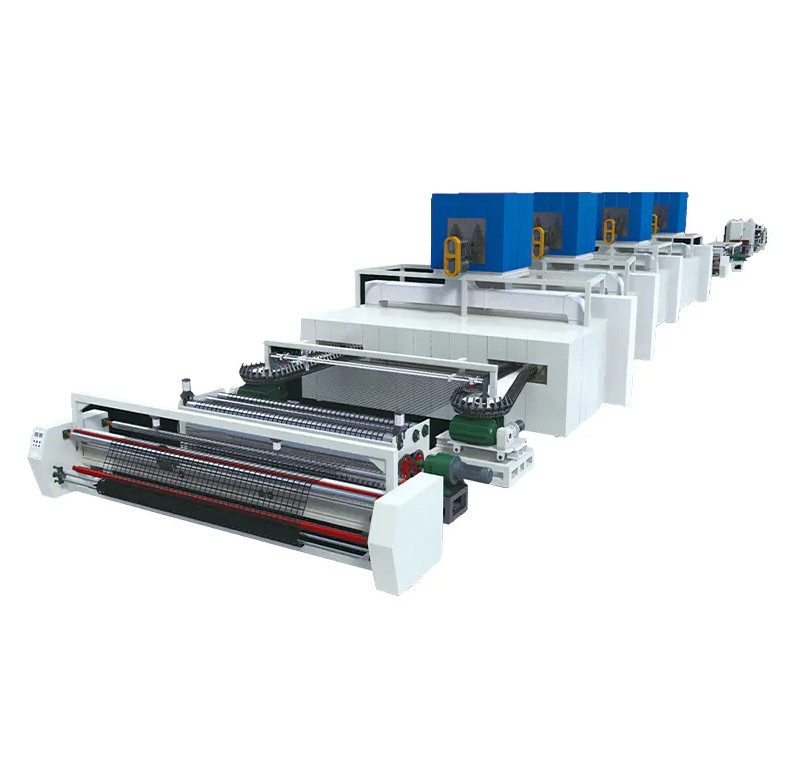
Modern bidirectional geogrid production lines have achieved fully automated control from raw material feeding to finished product winding. Compared with traditional semi-automatic equipment, new-generation production lines have achieved significant breakthroughs in the following areas:
- Production efficiency increased by 40% to 60%, with single-line annual capacity reaching 3,000 to 5,000 tons
- Product thickness uniformity controlled within ±0.05mm, with tensile strength variation reduced to ±3%
- Raw material utilization rate improved to over 95%, with edge trim recycling and reuse exceeding 90%
- Energy consumption reduced by 20% to 30%, with unit product power consumption controlled at 350 to 450 kWh/ton
- Operator requirements reduced by 50%, with only 2 to 3 technicians needed per shift for monitoring
Taking a standard production line with a width of 5 meters and a design speed of 5 meters per minute as an example, its daily capacity can reach 7 to 10 tons (depending on product specifications), nearly double that of similar equipment from five years ago.
Critical Quality Control Points
Online Inspection Systems
High-end production lines are equipped with laser thickness gauges, infrared temperature sensors, and vision inspection systems to monitor sheet thickness, stretching temperature, and grid integrity in real time. When thickness deviation exceeds ±0.08mm or temperature deviates from the set value by ±5°C, the system automatically alarms and adjusts process parameters.
Finished Product Inspection Standards
Each batch of products must be sampled and inspected according to GB/T 17689 or ASTM D6637 standards. Inspection items include:
- Longitudinal and transverse tensile strength and elongation testing
- Junction strength testing (junction peel force must reach ≥50N)
- Carbon black content determination (standard requirement 2% to 3%)
- Oxidation Induction Time (OIT) testing (≥20 minutes)
- Dimensional stability testing (≤2% thermal shrinkage rate)
Industry Development Trends and Technological Evolution
Bidirectional geogrid production lines are evolving toward intelligence, green manufacturing, and wider widths. Current industry technological evolution characteristics include:
- Intelligent Control: Adoption of integrated PLC and HMI control systems to achieve closed-loop regulation of stretch ratios, temperature, and speed, with product qualification rates stabilized above 98%
- Wider Width Development: Mainstream production line widths have expanded from the traditional 3.9 meters to 5.3 to 6.0 meters, reducing the number of construction joints and improving installation efficiency
- Energy Saving and Consumption Reduction: New electromagnetic induction heating systems replace traditional resistance heating, shortening preheating time by 30% and reducing energy consumption by 15% to 20%
- Multi-function Integration: Some production lines have integrated ultrasonic welding and surface coating functions, enabling the production of composite geogrids and expanding into comprehensive applications such as drainage and seepage prevention
According to industry statistics, the global geosynthetics market size is expected to exceed $18 billion by 2026, with bidirectional geogrids accounting for approximately 25% to 30%. The Asia-Pacific region, driven by accelerated infrastructure construction, has become the region with the largest new installation volume of bidirectional geogrid production lines, maintaining an annual growth rate of 8% to 12%.
Procurement and Maintenance Recommendations
Equipment Selection Key Points
When purchasing a bidirectional geogrid production line, the following technical indicators should be examined:
- Whether the maximum stretch ratio meets the target product strength grade requirements
- Whether temperature control system accuracy reaches within ±2°C
- Whether mold change time is controlled within 2 hours to support flexible switching between multiple specifications
- Whether a complete waste recycling and pelletizing system is equipped
Daily Maintenance Key Points
To ensure long-term stable operation of the production line, the following maintenance procedures are recommended:
- Clean the extruder screen every shift to prevent impurities from clogging and affecting melt quality
- Check the stretching roller surface wear weekly; repair promptly when wear exceeds 0.1mm
- Calibrate temperature sensors and thickness gauges monthly to ensure accurate detection data
- Replace reducer lubricating oil and check chain tension every quarter
- Conduct a comprehensive precision inspection annually, including stretch ratio calibration and electrical system insulation testing