中文简体
中文简体 русский
 عربى
عربى

Content
- 1 Tariff Classification: Get the Heading Right Before the Invoice Is Printed
- 2 Export Controls and Denied-Party Screening: Where the Real Risk Sits
- 3 Conformity Evidence: CE, Technical Files and Destination Approvals
- 4 The Document Set That Actually Gets Read at the Border
- 5 Where Clearance Time Is Actually Lost
- 6 Wood Packaging, Batteries, Fluids and Spare Parts
- 7 A Pre-Shipment Sequence That Works
- 8 Frequently Asked Questions
- 9 Getting Compliance Right Early Costs Days, Not Weeks
A container of geogrid stretching equipment left Shanghai with clean export paperwork and still spent nine days at destination customs. Nothing about the shipment was illegal. The commercial invoice declared the line under HS 8479.89, the importer's broker read it as plastics-working machinery under 8477.80, and the mismatch triggered a valuation query and a demand for the full technical file. The demurrage cost the buyer more than the duty difference would have.
Export compliance for geosynthetics machinery comes down to four deliverables that must be correct before the container door closes: a classification you can defend, conformity evidence the destination actually recognises, controlled-party and end-use screening, and the packaging and declaration rules for wood, batteries and residual fluids. Everything else is supporting paperwork.
What follows is the sequence we use when shipping geogrid, geomembrane and geotextile production equipment into more than 45 markets: the classification, screening and certification points that decide how fast a machine clears, and the mistakes that are easiest to avoid.
Tariff Classification: Get the Heading Right Before the Invoice Is Printed
Classification is the first domino. Duty rate, free trade agreement eligibility, import licensing and, in some markets, mandatory pre-shipment inspection all follow the HS heading.
First, classify by function, not by the product the machine makes. A biaxial geogrid line that extrudes and stretches polypropylene is machinery for working plastics, not "geosynthetics equipment". A warp knitting machine that produces polyester geogrid is textile machinery. A fiberglass impregnating line that does not process plastic as its primary operation falls under machinery with an individual function. Exporters who classify an entire catalogue under one generic heading invite exactly the query described above.
Second, classify individual shipments, not product families. A complete line, a spare screw barrel, a set of stretching rollers and a bench-top strength tester are four classifications and four duty outcomes. Spare parts shipped in the same container should be itemised separately on the invoice.
| Equipment | Likely six-digit heading | Reason |
|---|---|---|
| Biaxial or uniaxial plastic geogrid stretching line | 8477.80 | Machinery for working rubber or plastics |
| Warp knitting machine for polyester geogrid | 8447.20 | Knitting machinery, including warp knitting |
| Fiberglass geogrid dipping and impregnating line | 8479.89 | Machine with an individual function not specified elsewhere |
| Plastic crusher and granulator | 8479.82 | Crushing or grinding machines |
| Geotextile strength tester | 9024.80 | Machines for testing the strength of materials |
| Screw barrels, dies, rollers, wear parts | 8477.90 | Parts of the machinery of heading 8477 |
When the heading is uncertain, request written classification advice or a binding ruling from the destination authority before shipping. In the EU a Binding Tariff Information decision is valid for three years and costs far less than a demurrage claim.
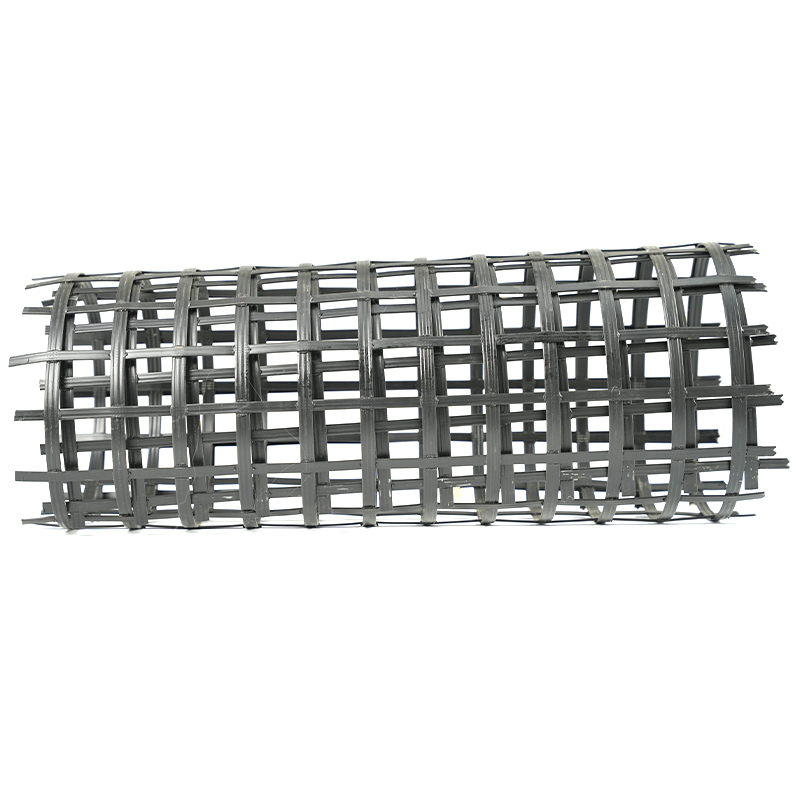
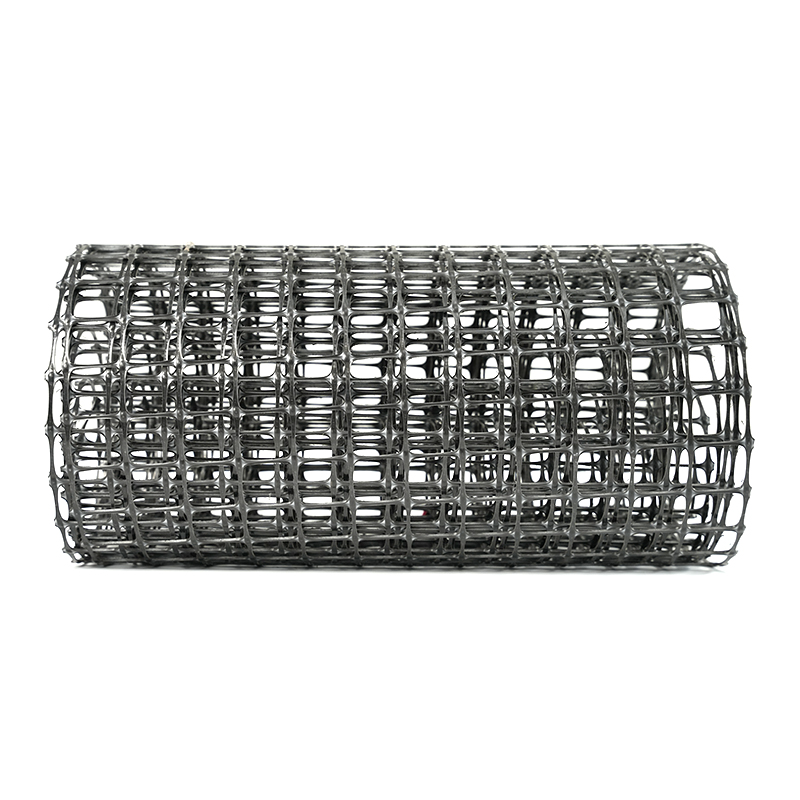
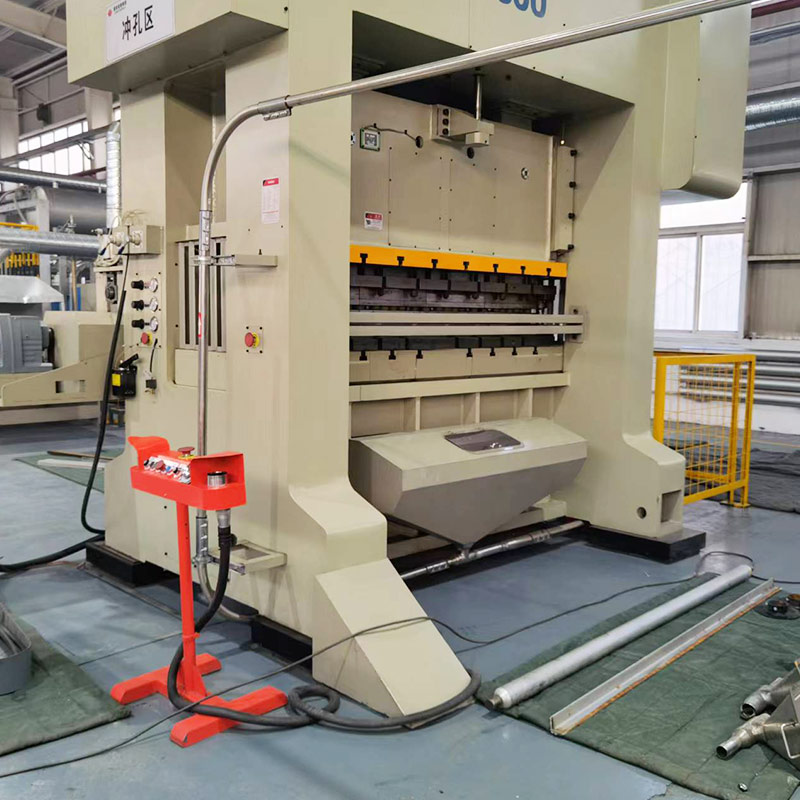 Bidirectional Geogrid Production LineLongitudinal tensile is that: the plastic raw material is heated and extruded to be plate by extruder and is punched by the press, the punched plate is transported by ...View Product →
Export Controls and Denied-Party Screening: Where the Real Risk Sits
Most geosynthetics machinery is not listed on the EU dual-use list in Regulation 2021/821 Annex I or on the US Commerce Control List. That does not mean a line ships without controls. Risk usually arrives through three doors.
- Embedded components. Servo drives, high-resolution optical measuring heads, laser thickness gauges and specialised fibre handling units can carry their own control status, and that status travels with the machine.
- Catch-all and end-use controls. If you know, or should reasonably know, that a line is destined for a prohibited end use, it is controlled even when unlisted.
- Parties, not products. Screening applies to the consignee, the end user, the buying agent, the freight forwarder and the paying bank.
Screen all five against the BIS Entity List and Denied Persons List, the OFAC SDN list, the EU consolidated list and the UK sanctions list on the day the order is booked, and again on the day of shipment. Record the list version, date and result. A five-year retention habit costs nothing and answers almost every later question from a bank or customs auditor.
Clear red flags on a machinery order: a consignee who will not name the installation site, payment arriving from an unrelated third country, a trading company as final consignee with no production facility, and specifications that exceed anything the stated product line requires.
Conformity Evidence: CE, Technical Files and Destination Approvals
For the European Union, a geosynthetics production line currently falls under Machinery Directive 2006/42/EC, supported by the Low Voltage Directive 2014/35/EU, the EMC Directive 2014/30/EU and RoHS 2011/65/EU. Regulation (EU) 2023/1230 replaces the Directive for machinery placed on the market from 20 January 2027, so lines ordered in late 2026 should already be documented with the new requirements in mind. Great Britain keeps its own UKCA route.
The declaration of conformity is where exporters most often get caught. It must name the legal manufacturer, list the standards applied, and identify an authorised representative established in the Union. The technical file is not a brochure: it needs risk assessment to EN ISO 12100, electrical documentation to EN 60204-1, guarding and interlock calculations, a record of the PLC and HMI software version released with the machine, noise data, and instructions in the official language of the destination.
Outside Europe the picture is just as concrete: EAC certification under TR CU 010/2011 for Russia and the EAEU, NR-12 compliance with an ART in Brazil, SABER registration in Saudi Arabia, SONCAP in Nigeria. Each adds four to ten weeks, and none can be finished after the machine has sailed.
A technical file is also easier to defend when the build record supports it. Buyers and notified bodies increasingly ask for evidence that the shipped line matches the tested parameters, and documented in-process quality control answers that question directly.
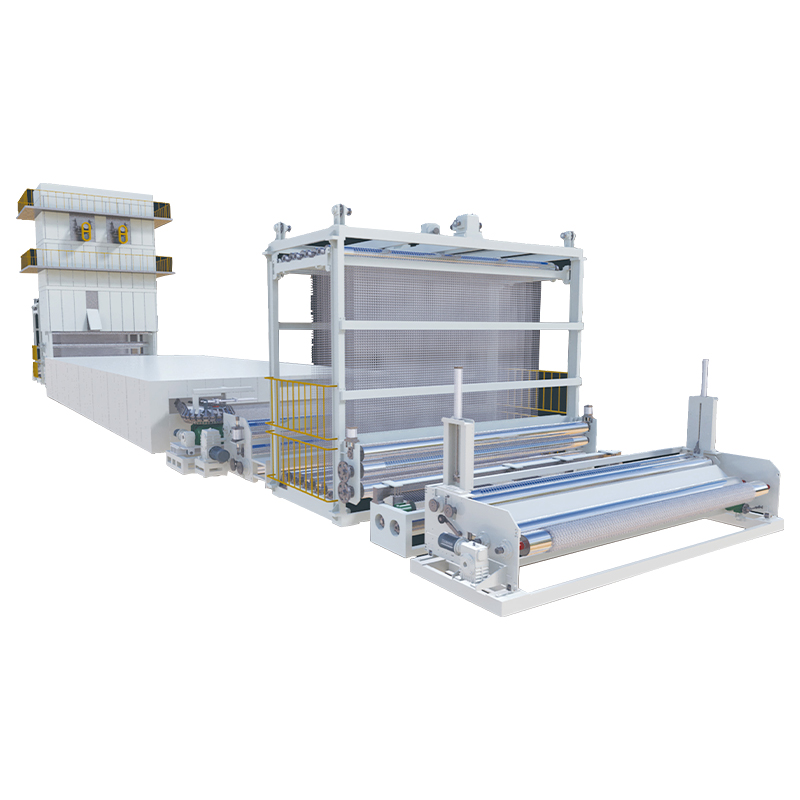 Production Line for Dipping of Fiberglass (Chemical Fiber) GeogridPlastic Crusher MachineView Product →
The Document Set That Actually Gets Read at the Border
A broker reads the invoice, packing list and certificate of origin first; everything else is consulted only when something fails to match. Keep those three consistent in HS code, description, quantity, weight, Incoterm and consignee name, and most consignments move without a second look.
| Document | What it proves | Common gap |
|---|---|---|
| Commercial invoice and packing list | Value, classification, quantity, weight | HS code or description differing from the bill of lading |
| Certificate of origin | Preferential duty eligibility under an FTA | Issued after departure, or consignee name not matching |
| Declaration of conformity | The machine meets destination law | Missing authorised representative or standards list |
| Factory acceptance and test reports | Performance matches the purchase order | Tested against an older specification |
| End-user and non-re-export statement | Catch-all and sanctions compliance | Vague end-use description with no site named |
| ISPM 15 stamp record | Wood packaging is admissible | Unmarked or re-used crates |
| UN 38.3 battery test summary | Lithium cells may travel | No summary for spare battery packs |
Where Clearance Time Is Actually Lost
Delays rarely come from one dramatic problem; they accumulate from small documentation gaps. The distribution below is indicative of what we see most often across machinery consignments.
- HS classification disagreement - 30%
- Origin certificate and legalisation - 25%
- Conformity file gaps - 20%
- End-user and sanctions screening - 15%
- Wood packaging marking - 10%
Classification is the most expensive category rather than simply the most frequent. It can trigger re-assessment, penalties and, in some markets, mandatory inspection of every future shipment from the same exporter.
Wood Packaging, Batteries, Fluids and Spare Parts
These four items cause more rejected containers than any classification dispute.
- Wood packaging. Every crate, pallet and dunnage piece must be ISPM 15 compliant, heat treated or fumigated and stamped with the IPPC mark including country code and producer number. Plywood and pressed wood are exempt; solid wood is not.
- Batteries. Control panels, remote pendants and spare battery packs containing lithium cells are Class 9 dangerous goods. Keep the UN 38.3 test summary with the shipping documents, declare them on the dangerous goods note, and never hide a spare pack in a toolbox.
- Fluids. Drain hydraulic oil, gear oil and test water where possible. If they remain in the machine, declare them and confirm the destination accepts the quantity.
- Spare parts. Consumables and tooling shipped with a line need their own HS codes. A single "accessories" invoice line invites a valuation query.
Plan for the commissioning team as well. An ATA Carnet covers hand-carried tools and test instruments for temporary admission and is usually faster and cheaper than a temporary import bond.
A Pre-Shipment Sequence That Works
Work backwards from the vessel booking date and treat each step as a gate that cannot be skipped.
- Confirm the six-digit and national tariff codes with the importer's broker and record the agreed code on the order confirmation.
- Complete denied-party and end-use screening, then file the results with the list version and date.
- Close the technical file: declaration of conformity, risk assessment, schematics, software version record and language-specific manuals.
- Arrange destination approvals such as EAC, NR-12, SABER or SONCAP before the factory acceptance test.
- Issue the certificate of origin and any chamber legalisation before the vessel departs.
- Verify ISPM 15 marks, battery declarations and drainage on the packed unit, then photograph the container stuffing.
Working days required per compliance step on a typical line shipment, excluding factory acceptance testing.
Frequently Asked Questions
Does a geogrid production line need an export licence?
Usually not. Extrusion and stretching lines for plastic geogrid are generally unlisted on EU and US dual-use lists. A licence becomes relevant when the machine incorporates controlled components, when the destination is subject to an embargo, or when the end use falls under catch-all provisions. Check the components, not only the finished machine.
Which HS code applies to a biaxial geogrid stretching line?
Most authorities accept 8477.80 at six-digit level for a line that extrudes and stretches plastic. Confirm the national extension, and use the same code on the invoice, packing list and certificate of origin.
How early should conformity documentation start?
Six to ten weeks before shipment for CE and UKCA projects, and eight to twelve weeks for markets requiring local certification such as Brazil or Saudi Arabia. The technical file should be assembled during machine build, not after the factory acceptance test.
Can the buyer's freight forwarder appear as consignee?
Yes, but the true end user must still be declared and screened. A forwarder named as consignee with no named end user is one of the most common reasons a bank holds payment or a carrier requests additional end-use documentation.
Getting Compliance Right Early Costs Days, Not Weeks
Export compliance for geosynthetics machinery is not a document bought at the end of a project. It is a set of decisions made at the quotation stage and confirmed during build. Classification, screening, conformity and packaging each take days to get right and weeks to repair, and the difference lands on the buyer's quay.
Saide Machinery has been building geogrid, geomembrane and geotextile production lines for more than 20 years, working to ISO 9001:2000 quality management with engineering teams that travel with the equipment for installation, commissioning and operator training. When a line is destined for a market with strict import requirements, we prepare the classification rationale, technical file and packing documentation alongside the equipment specification, so the machine arrives as a machine rather than as a customs case.
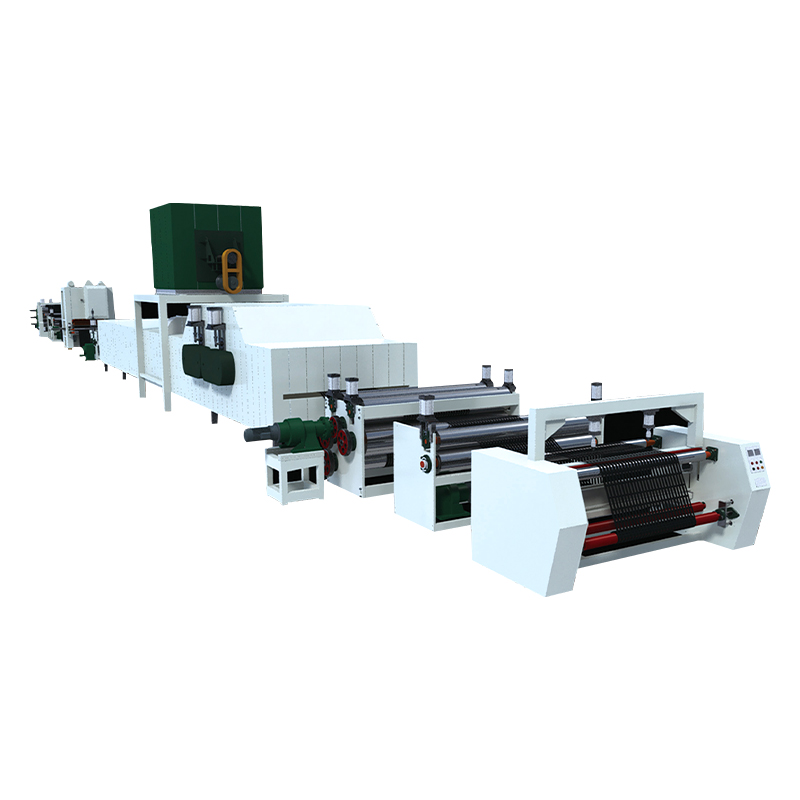 Production Line of Uniaxial Tensile GeogridPlastic Crusher MachineView Product →