中文简体
中文简体 русский
 عربى
عربى

Content
Picture a 10-meter-high highway embankment with a 1V:1.5H face, sandy silt, and a wet season that arrives like clockwork. The engineer’s question is not “geocell or geogrid?” in the abstract. It is: which system will hold this specific slope, with this soil, this drainage condition, and this construction window? The short answer: geocells usually win for surface confinement, erosion control, and shallow veneer stability; geogrids usually win for deep-seated reinforcement, global stability, and tensile resistance along a potential failure plane. The rest of this article explains why, with practical numbers, installation realities, and procurement checks.
Geocell vs Geogrid for Slopes: The Short Answer
A geocell is a three-dimensional cellular mattress that confines infill soil or aggregate. A geogrid is a planar geosynthetic with apertures that interlock with soil and carry tensile load. On a slope, they solve different problems. Geocells improve the performance of the surface layer and reduce erosion; geogrids reinforce the soil mass and resist sliding along deeper failure surfaces. If the slip circle extends more than 1.5 to 2 meters below the face, a geogrid or a combined system is usually required. If the risk is raindrop impact, rill erosion, and shallow sloughing, geocells are often the more direct answer.
| Selection factor | Geocell | Geogrid |
|---|---|---|
| Primary mechanism | 3D confinement of infill | 2D tensile reinforcement |
| Best slope condition | Shallow veneer, erosion-prone, moderate slope | Deep-seated, steep, high load |
| Typical infill | Soil, aggregate, concrete | No infill for tensile function; soil cover |
| Drainage effect | Can create drainage paths with granular fill | Usually needs separate drainage layer |
| Installation sequence | Expand, anchor, fill, compact | Roll out, anchor, overlap, cover |
| Main cost drivers | Panel height, cell size, infill volume, anchors | Grid strength, roll size, overlap, soil cover |
| Design risk | Poor infill compaction | Poor anchorage and overlap |
How Geocells Stabilize Slopes
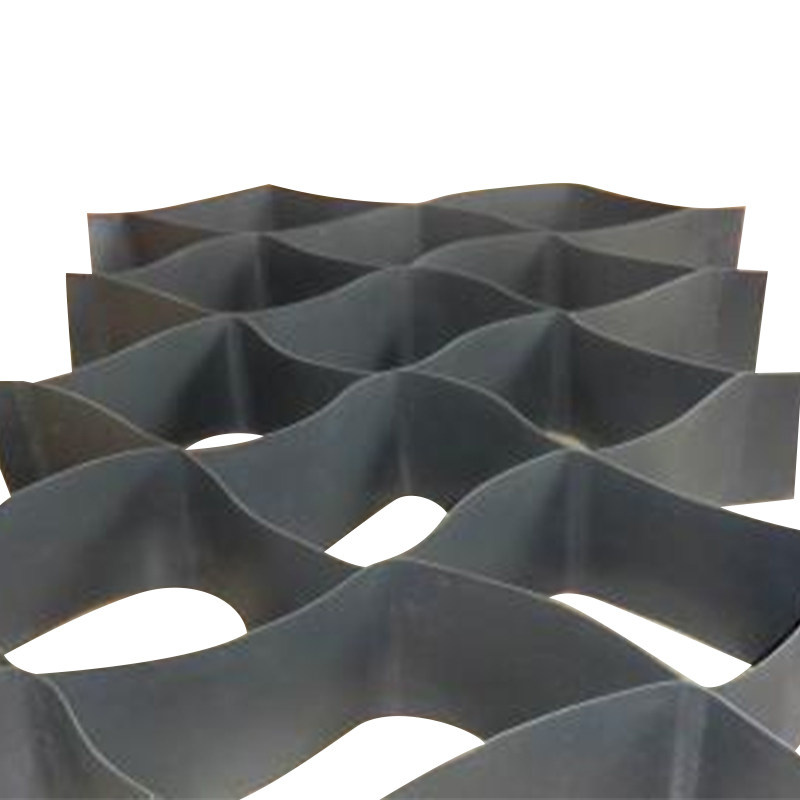
Geocells are shipped as collapsed panels and expanded on site into a honeycomb-like structure. The cell walls are typically 50 mm to 200 mm high, and the cell size can range from 100 mm to 300 mm depending on the manufacturer. When the cells are filled with compacted soil or aggregate, the infill is confined laterally. This confinement increases the apparent stiffness of the layer and spreads concentrated loads over a wider area.
3D confinement and load distribution
On a slope, the geocell mattress acts as a flexible raft. It resists the movement of individual soil particles, reduces the potential for rill and gully erosion, and improves the stability of the shallow veneer. A useful rule of thumb: geocells are most effective where the failure surface is shallow and where the slope face needs a durable, vegetated or granular cover. For a 1V:1.5H slope with sandy silt, a 100 mm deep geocell filled with topsoil and planted can reduce surface erosion significantly, but it will not replace a deep geogrid-reinforced zone if the factor of safety against deep sliding is below 1.3.
Where geocells make sense on slopes
- Cut slopes and embankments with shallow sloughing and erosion.
- Slope faces where vegetation is required for long-term cover.
- Moderate slopes with light to medium surcharge loads.
- Areas with limited right-of-way where a thin, flexible layer is preferred.
- Temporary or permanent erosion control on waste dumps and stockpiles.
Long-term performance depends on UV resistance, seam strength, and infill quality. A geocell installation that looks excellent in year one can fail in year five if the infill is not compacted or if the anchoring pattern is too sparse. For a deeper look at durability variables, see this discussion of long-term durability considerations for geocell installations.
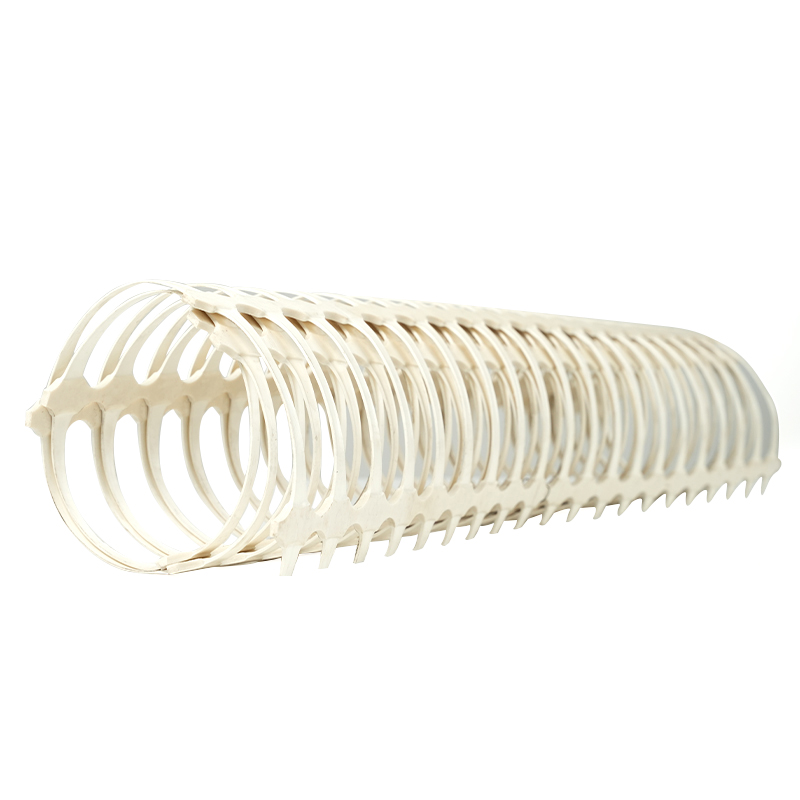
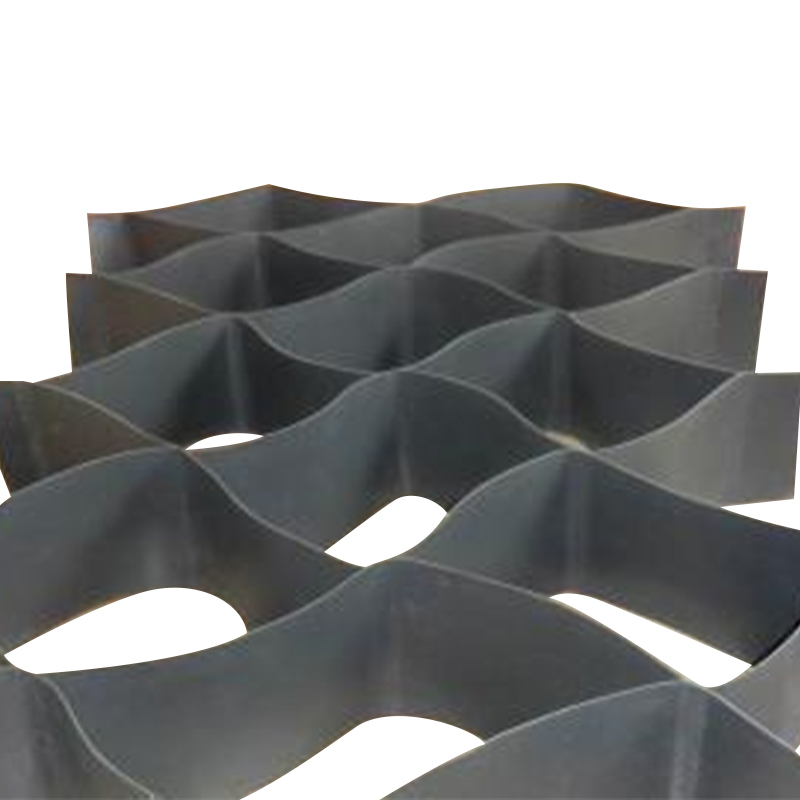 GeocellBasic Principle The reason why geocells have received so much attention from the engineering community for their good performance begins with their basic principles. T...View Product →
How Geogrids Stabilize Slopes
Geogrids are planar structures with open apertures. They are manufactured by stretching polymer sheets, weaving polyester yarns, or bonding fiberglass strands. The apertures allow soil particles to interlock with the grid, creating a composite material that can carry tensile forces. In slope stabilization, geogrids are usually placed in horizontal layers or wrapped around the face to resist sliding and to improve global stability.
Tensile reinforcement and force transfer
The design of a geogrid-reinforced slope depends on the tensile strength at low strain, the soil-geogrid interaction coefficient, and the layout of the reinforcement. A uniaxial geogrid is often used for slope reinforcement because its high tensile strength is oriented in the direction of the slope. Biaxial geogrids are more common in base stabilization and road construction, but they can also be used in slopes where multidirectional stresses are expected. The key number is not the ultimate tensile strength alone; it is the long-term design strength after creep, installation damage, and durability reductions. For a typical slope project, a 200 kN/m uniaxial geogrid may have a long-term design strength of 80 to 120 kN/m, depending on the reduction factors.
Where geogrids make sense on slopes
- Deep-seated slope failures where the slip circle extends several meters below the face.
- Steep slopes with high surcharge loads, such as bridge abutments and highway embankments.
- Reinforced soil slopes and retaining walls.
- Projects where global stability, not surface erosion, controls the design.
- Weak foundation soils where tensile reinforcement is needed at the base.
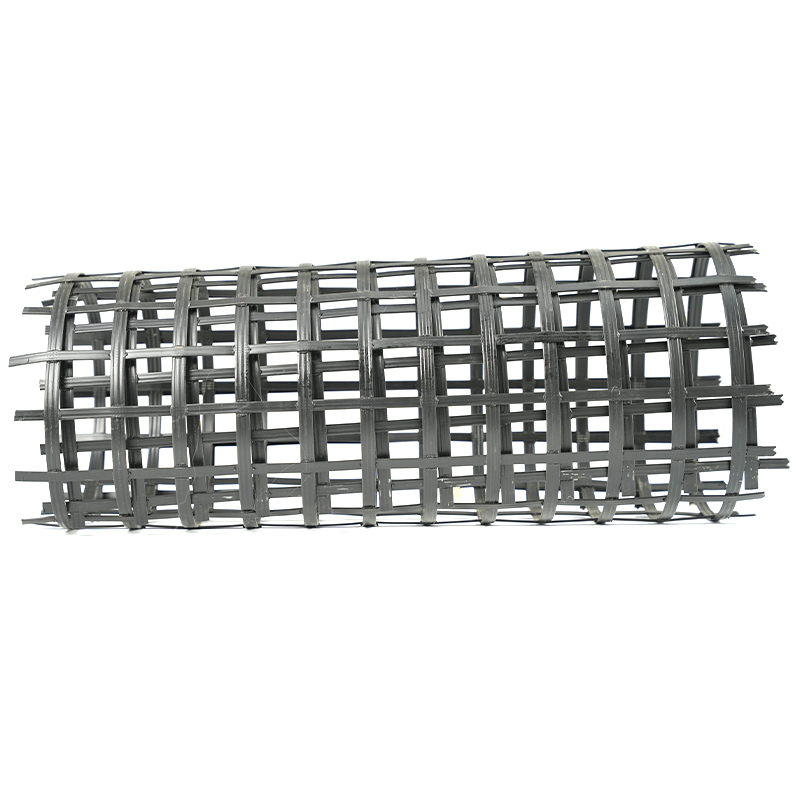
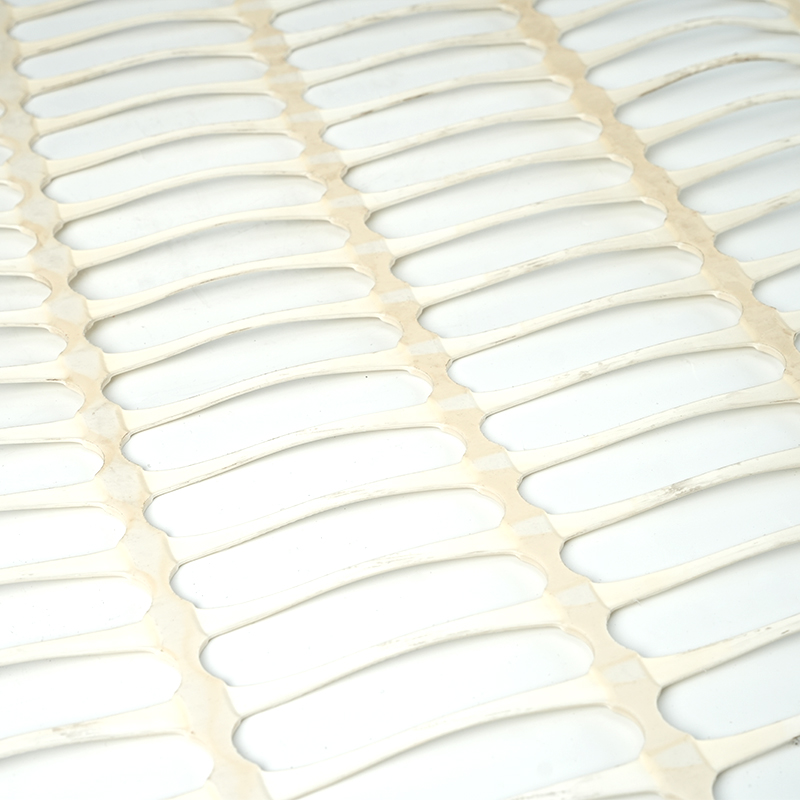 Unidirectional stretch plastic geogridReference technical standardsView Product →
Selection Factors That Decide the Outcome
Start with the failure mode, not the product brochure. A slope that fails as a shallow surface slide behaves differently from one that fails along a deep circular surface. The following factors should drive the comparison:
- Depth of the critical slip surface. If the slip surface is less than 1.5 meters deep, geocell confinement can be enough when combined with drainage and vegetation. If it is deeper, geogrid reinforcement is usually required.
- Soil type and gradation. Geocells need an infill that can be compacted. Clean gravel may drain well but can be difficult to compact inside small cells. Fine-grained soils may hold moisture and lose strength. Geogrids rely on soil interlock; well-graded granular soils typically provide better interaction than soft clays.
- Slope angle and height. As the slope angle increases beyond 1V:1.5H, the tensile demand on the reinforcement increases. Geocells can still help with erosion control, but they are not a substitute for global reinforcement.
- Water pressure and drainage. Both systems can be combined with drainage layers. A geocell filled with open-graded aggregate can act as a drainage blanket, but the designer must check the capacity. A geogrid does not drain; it needs a separate drainage system to avoid pore-water pressure buildup.
- Construction access and speed. Geocells are labor-intensive because they require expansion, anchoring, filling, and compaction. Geogrids can be rolled out quickly, but they require careful overlap, anchoring, and soil cover.
- Design life and maintenance. Geocells may need periodic infill replenishment and vegetation management. Geogrids are buried and generally require less surface maintenance, but their performance depends on proper installation.
For projects that combine both mechanisms, the design may use a geogrid-reinforced zone below and a geocell veneer above. This layered approach can be cost-effective where the upper slope face is exposed to erosion while the lower zone carries the main tensile load. When specifying materials, request manufacturing records and batch test reports from geosynthetic production equipment suppliers and material producers.
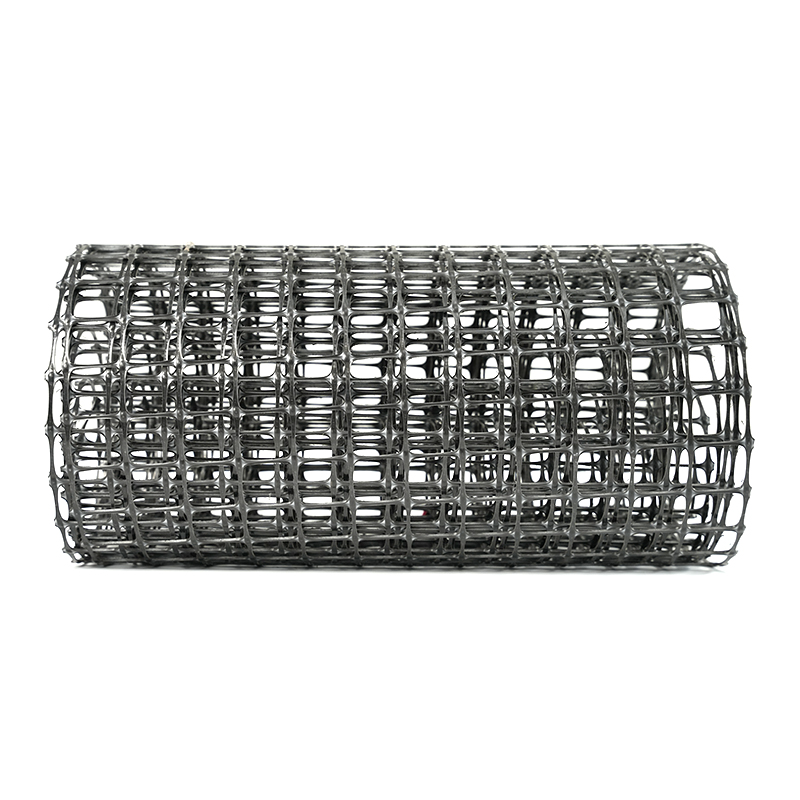
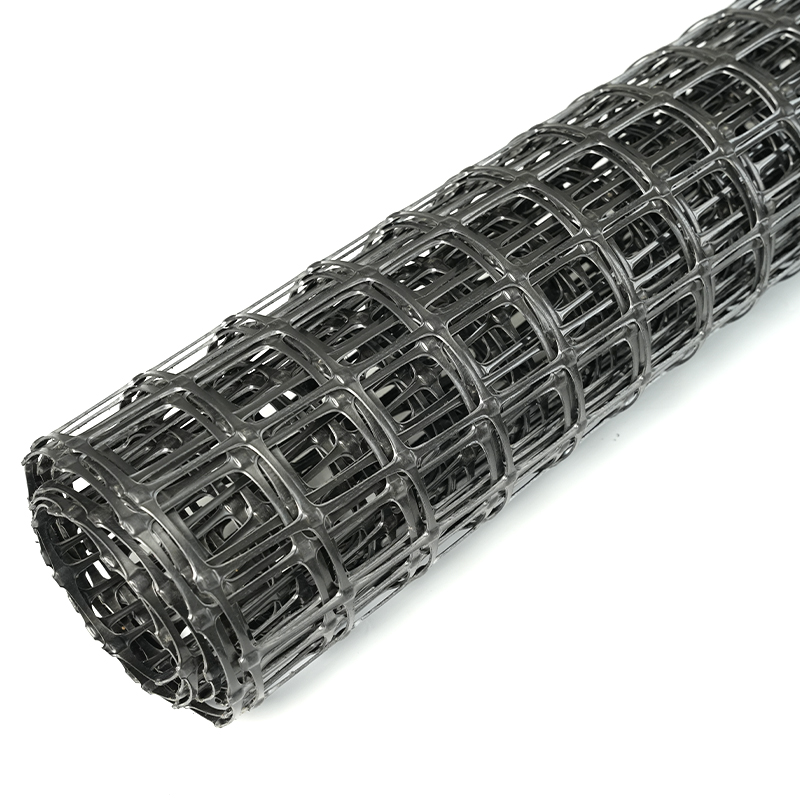 Bidirectional geogridItem/TGSG 15-15 20-20 25-25 30-30 35-35 40-40 45-45 50-50 Longitudinal tensile yield force per linear meter (KN/m) 15 20 25 30 35 40 45 50 Tensile yield force per line...View Product →
Common Mistakes and Procurement Risks
Most slope stabilization failures are not caused by the material alone. They come from a mismatch between the design assumption and the site condition. The following issues appear repeatedly in procurement and construction reviews:
- Using geocell as a deep reinforcement solution. A geocell mattress can improve surface stability, but it cannot replace a geogrid-reinforced zone if the global factor of safety is inadequate.
- Ignoring drainage. Both systems can fail if water pressure builds up behind the slope face. A geocell filled with low-permeability soil can trap water; a geogrid does not drain at all.
- Poor overlap and anchoring. Geogrid overlap is often specified as 300 mm to 600 mm. If the contractor reduces overlap to save material, the reinforcement continuity is compromised.
- Inadequate infill compaction. Geocell performance depends on the infill reaching the specified density. Light compaction equipment may not achieve the required density inside the cells.
- Missing reduction factors. Geogrid design must account for creep, installation damage, and durability. Comparing only ultimate tensile strength can lead to an unsafe selection.
- No batch traceability. Request material certificates, batch numbers, and test reports. For geocell, check seam strength and UV stabilization. For geogrid, check tensile strength at 2% and 5% strain, aperture size, and junction efficiency.
FAQ: Geocell vs Geogrid in Slope Projects
Can geocell and geogrid be combined?
Yes. A common approach is to use geogrid layers for deep reinforcement and a geocell veneer for surface erosion control. This combination can be cost-effective on high slopes where both global stability and surface protection are required. The design should confirm that the geocell layer does not create a slip plane between itself and the reinforced zone.
Which is cheaper for a slope?
It depends on the failure mode. For shallow erosion control, geocells can be cheaper because they use local infill and require less excavation. For deep-seated instability, geogrids are usually cheaper than replacing large volumes of weak soil with a thick geocell mattress. Always compare installed cost, not material price alone.
What slope angle favors geocell?
Geocells are most effective on slopes from 1V:2H to 1V:1H, especially where the face is exposed to rainfall and the critical failure mode is shallow. As the slope approaches 1V:1H or steeper, the tensile demand increases and geogrid reinforcement becomes more likely to control the design.
What documentation should I request?
For both systems, request product data sheets, installation guidelines, batch test reports, and third-party certifications. For geogrid, ask for long-term design strength calculations. For geocell, ask for seam strength, cell height tolerance, and UV resistance data. If the supplier cannot provide these, treat the quotation as incomplete.
Practical Recommendation
For a slope stabilization project, start with a geotechnical model that identifies the critical failure surface. If the failure is shallow and erosion-driven, geocell confinement is often the practical choice. If the failure is deep-seated or the slope is steep and heavily loaded, geogrid reinforcement is usually necessary. In many projects, the best answer is a combination: geogrid for global stability and geocell for surface protection and drainage control.
When specifying materials, look beyond the product name. Check the reduction factors, the installation tolerances, and the manufacturer’s quality control. A well-designed slope stabilization system depends on the interaction between soil, reinforcement, drainage, and construction practice. For teams that also produce geosynthetic materials, reliable geosynthetic production equipment and consistent material quality are part of the long-term performance chain.