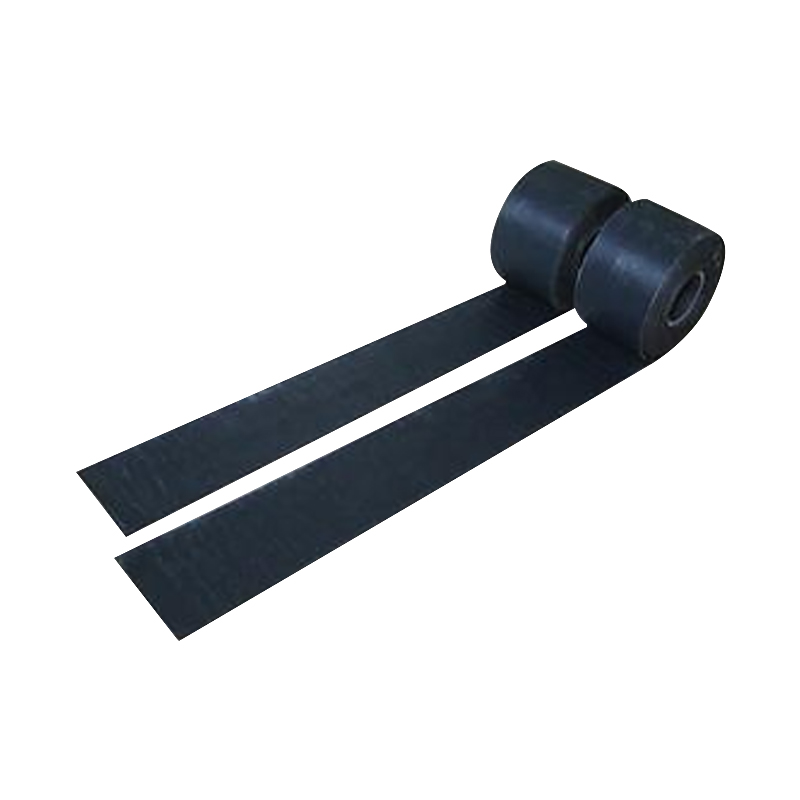
中文简体
中文简体 русский
 عربى
عربى

Content
- 1 How Fiberglass Geogrid Is Built
- 2 Core Jobs Fiberglass Geogrid Performs on a Road
- 3 Where Project Teams Actually Install It
- 4 Geosynthetic Product Range
- 5 Technical Parameters to Check Before Ordering
- 6 Why Fiberglass Geogrid Is Chosen Over Alternative Materials
- 7 Installation Notes From the Field
- 8 Matching Equipment to Production Needs
- 9 Common Questions
Fiberglass geogrid is used to reinforce asphalt and cement pavements, stabilize subgrades and soft soil foundations, and control reflective cracking in road reconstruction projects. Made from alkali-free glass fiber yarn woven on a warp knitting machine and coated with modified asphalt, it delivers rupture strength from 25 kN/m up to 120 kN/m while keeping elongation at break under 3 percent, which is why it has become a standard reinforcement layer under new and rehabilitated road surfaces.
How Fiberglass Geogrid Is Built
The base material is high-tenacity alkali-free glass fiber yarn, produced in continuous strands and then formed into a grid using a warp knitting directional structure. This knitting method spreads load along both the yarn and the fabric direction, which is what gives the finished sheet its tear resistance and creep resistance. Once the grid is formed, it passes through a coating stage where modified asphalt is applied to every strand, protecting the glass fiber core and improving compatibility with the asphalt mixture it will be embedded in.
Two production formats are common on site: standard fiberglass geogrid rolled out and pinned before paving, and self-adhesive fiberglass geogrid with a bitumen backing that bonds directly to the old surface without extra tack coat. Roll widths typically run from 1 to 6 meters, and grid opening sizes range from 12 to 50 millimeters, so the product can be matched to different paver widths and aggregate sizes.
Core Jobs Fiberglass Geogrid Performs on a Road
Locks Aggregate in Place
Because the grid is an open mesh, aggregate particles in the asphalt mixture pass through the openings and interlock with the fiber strands, forming a mechanical key that resists lateral movement under wheel loads.
Cuts Reflective Cracking
Placed over an old cement or asphalt layer before an overlay, the grid absorbs and spreads the shear and tensile stress that would otherwise travel straight up through joints and existing cracks.
Resists Rutting at High Temperature
The skeleton effect inside the asphalt layer restrains aggregate migration under repeated heavy traffic, which is the main cause of rutting in hot climates or on truck routes.
Distributes Load Over Soft Ground
On soft soil subgrades, the grid spreads point loads over a wider area, reducing differential settlement and helping consolidation water drain evenly through the mesh openings.
Where Project Teams Actually Install It
| Asphalt overlay projects | Placed between the milled old surface and the new asphalt lift to delay reflective cracking and extend overlay life. |
| Cement pavement reconstruction | Installed above jointed concrete slabs before an asphalt composite layer to control shrinkage-driven reflective cracks. |
| Road widening and patch joints | Laid across new-to-old pavement joints where uneven settlement typically opens a straight crack line. |
| Soft soil subgrade | Used as a reinforcement layer beneath embankments to speed up consolidation and limit long-term settlement. |
| Semi-rigid base courses | Placed over cement-stabilized or lime-stabilized bases that are prone to shrinkage cracking before the surface course goes down. |
| Airport runways and dikes | Applied on runway overlays and dike or riverbank slope protection where high tensile strength and low creep are required. |
Geosynthetic Product Range
Beyond fiberglass geogrid, the same manufacturing base supports a full family of geosynthetic reinforcement products for road, slope, and foundation work.
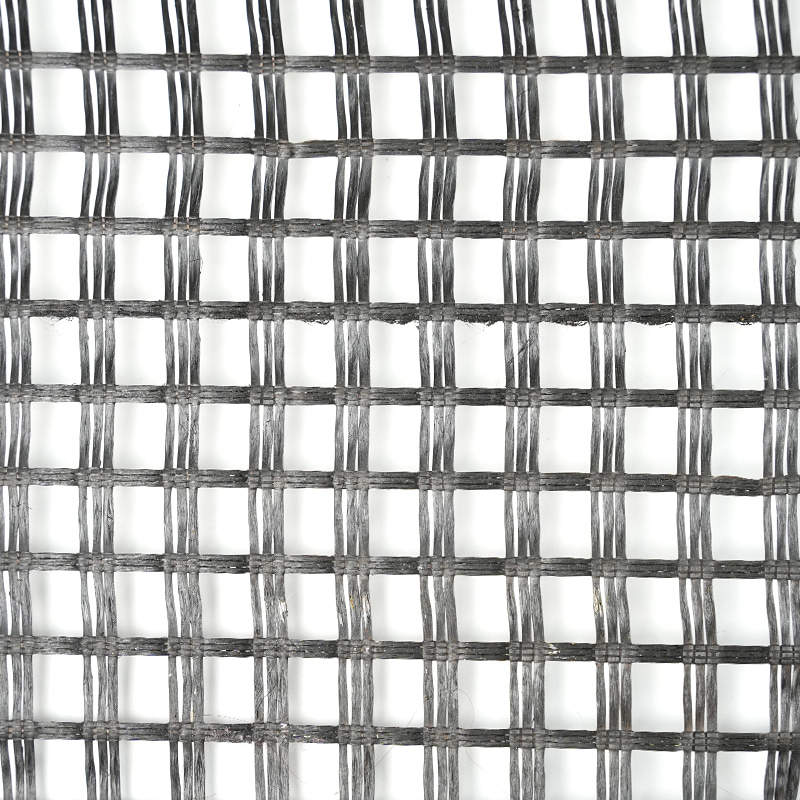
Fiberglass Geogrid
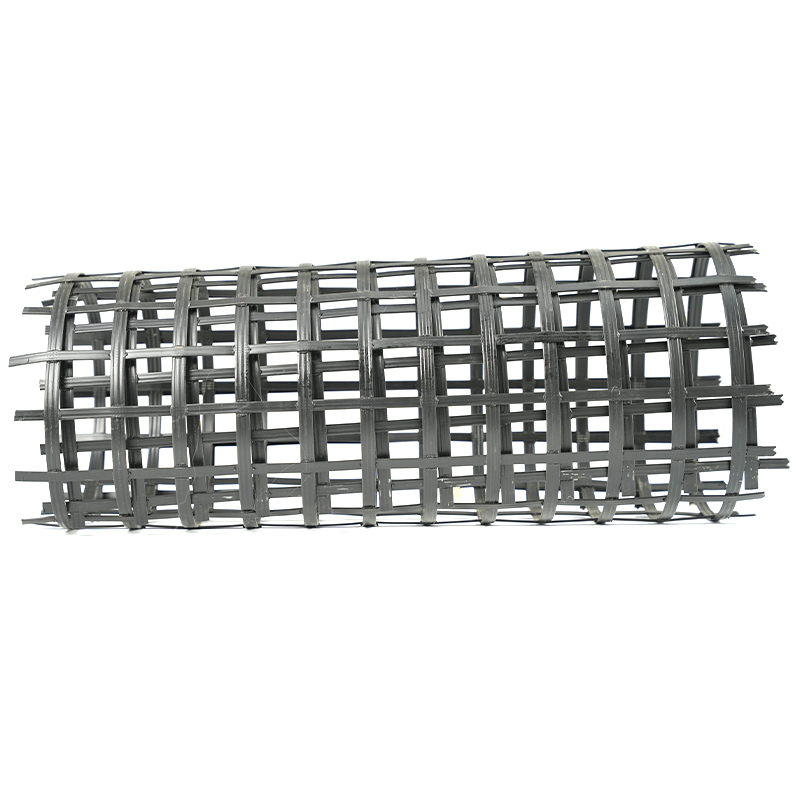
Steel Plastic Geogrid
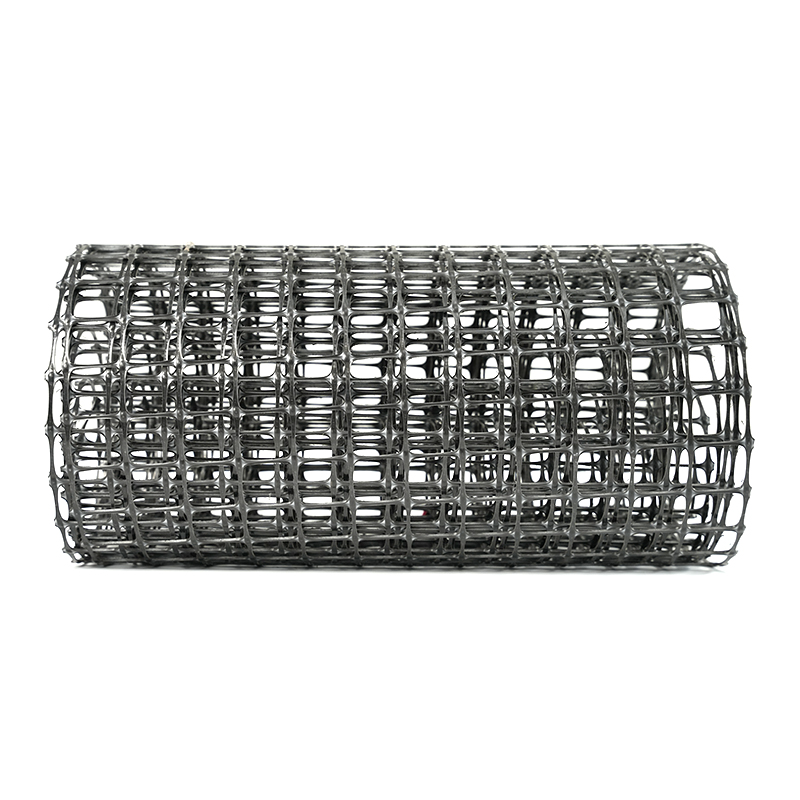
Bidirectional Geogrid
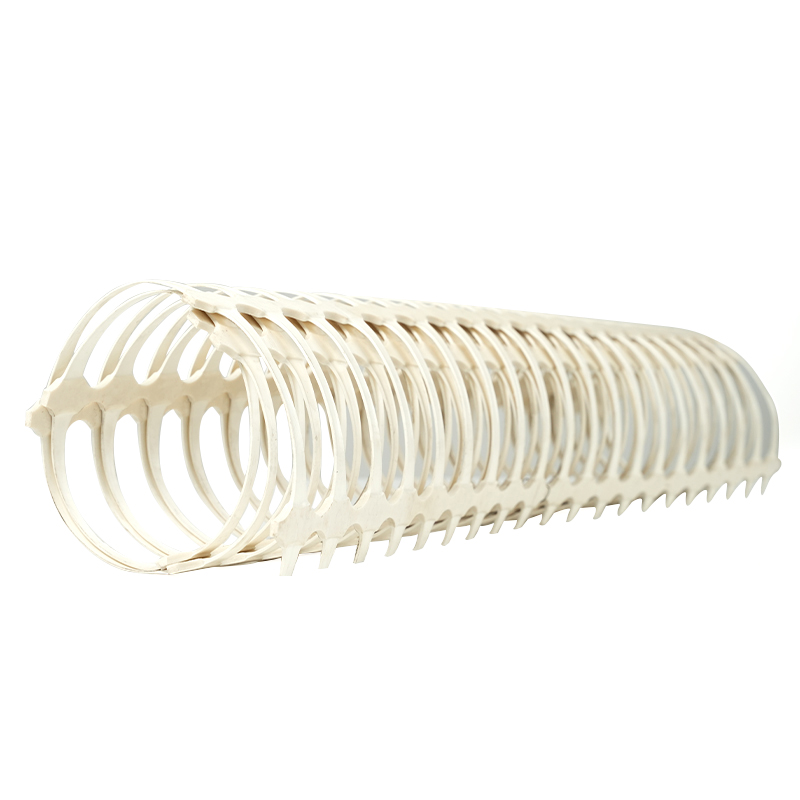
Unidirectional Geogrid
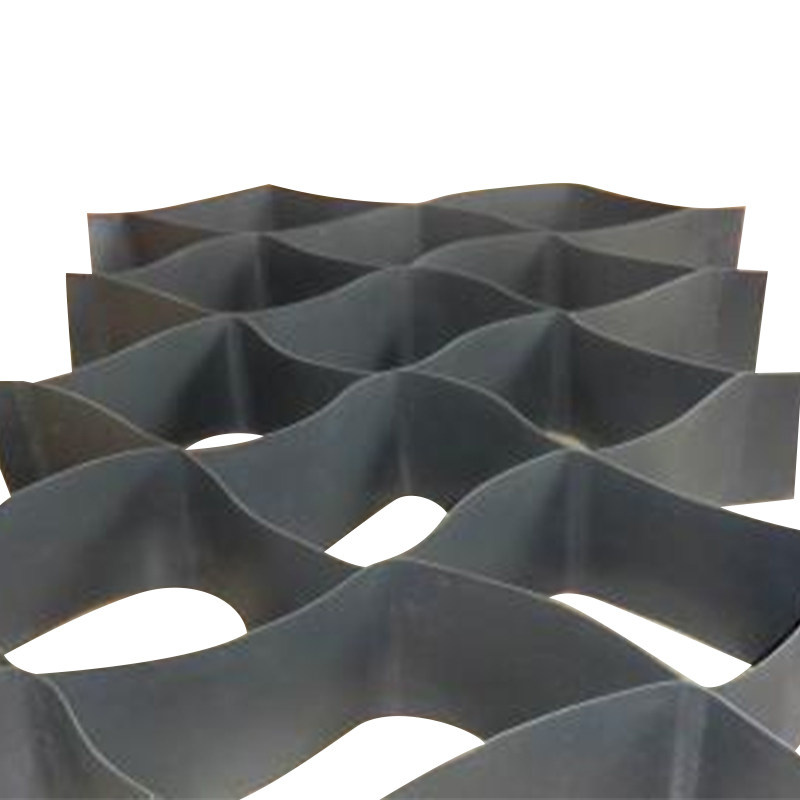
Geocell
Technical Parameters to Check Before Ordering
Fiberglass geogrid is graded by rupture strength in the meridional (longitudinal) and zonal (transverse) directions. Below is a common specification range; grid size and roll width can be adjusted for a specific paver or project spec.
| GG2525 / GG3030 | 25 to 30 kN/m rupture strength, elongation at break under 3 percent, grid size 12 to 50 mm, width 1 to 6 m. |
| GG4040 / GG5050 | 40 to 50 kN/m rupture strength, suited to secondary roads and moderate traffic overlays. |
| GG8080 / GG100100 | 80 to 100 kN/m rupture strength, used on highway-grade overlays and heavy truck routes. |
| GG120120 | 120 kN/m rupture strength, the highest standard grade, applied where subgrade conditions or traffic loads are most demanding. |
| Self-adhesive series (GGA) | Same strength grades as above with a bitumen-adhesive backing, removing the need for a separate tack coat before laying. |
Why Fiberglass Geogrid Is Chosen Over Alternative Materials
- Higher stiffness at lower weight: glass fiber strands provide more tensile resistance per unit weight than steel mesh or heavier plastic grids, which keeps handling and installation simple.
- Minimal long-term creep: unlike some plastic geogrids, glass fiber does not stretch gradually under sustained load, so the reinforcement layer keeps its designed strength years after installation.
- High melting point: glass fiber remains stable above 1000°C, so the grid holds its shape during hot-mix asphalt paving instead of softening or shifting.
- Strong bond with asphalt mixture: the modified asphalt coating is chosen for compatibility with the surrounding mix, so the grid stays fully embedded rather than separating from the asphalt layer over time.
Installation Notes From the Field
Fiberglass geogrid is generally rolled out over a tack coat or, for self-adhesive versions, pressed directly onto a clean, dry surface. Overlaps between rolls are usually kept between 10 and 15 centimeters to avoid gaps where cracks could still telegraph through. Paving equipment should avoid sharp turns directly on the exposed grid before the next asphalt lift covers it, since sudden torque can wrinkle the fabric. On soft soil subgrade work, the grid is typically placed as a flat reinforcement layer within the fill, with compaction carried out in controlled lifts so the mesh is not overstressed before the surrounding soil has time to consolidate.
Matching Equipment to Production Needs
For manufacturers rather than contractors, the question shifts from where to install the grid to how to produce it. A fiberglass geogrid equipment line typically covers warp knitting, coating, and cutting stages in sequence, while a separate PP PE geogrid production line is used for the extruded plastic versions made on bidirectional plastic geogrid equipment or unidirectional plastic geogrid equipment. Some production sites also run a plastic geogrid composite non-woven production line to combine a geogrid backbone with a non-woven fabric layer for filtration and separation projects, or a geocell line for three-dimensional slope and channel protection cells. Choosing the right combination of geogrid equipment depends mainly on the target product mix, strength grade range, and expected roll width.
Common Questions
Does fiberglass geogrid replace the need for a tack coat?
Standard fiberglass geogrid still needs a tack coat applied before laying so it bonds to the surface below. Self-adhesive versions carry their own bitumen backing and skip this step.
Can it be used under cement concrete instead of asphalt?
It is primarily designed for asphalt compatibility. Cement pavement projects typically use it as an interlayer beneath an asphalt overlay rather than embedded directly in the concrete slab.
What roll width should be ordered for a standard two-lane road?
Widths of 4 to 6 meters are common for two-lane paving so that fewer longitudinal overlaps are needed across the lane width.