中文简体
中文简体 русский
 عربى
عربى

Content
- 1 What Fiberglass Geogrid Is Made Of and Why It Matters
- 2 Tensile Strength Classes at a Glance
- 3 Geogrid Product Family for Pavement and Slope Projects
- 4 Where Fiberglass Geogrid Outperforms PP and PE Alternatives
- 5 How the Production Line Determines Finished Quality
- 6 Choosing a Geogrid Manufacturer: A Practical Checklist
- 7 Common Questions About Fiberglass Geogrid
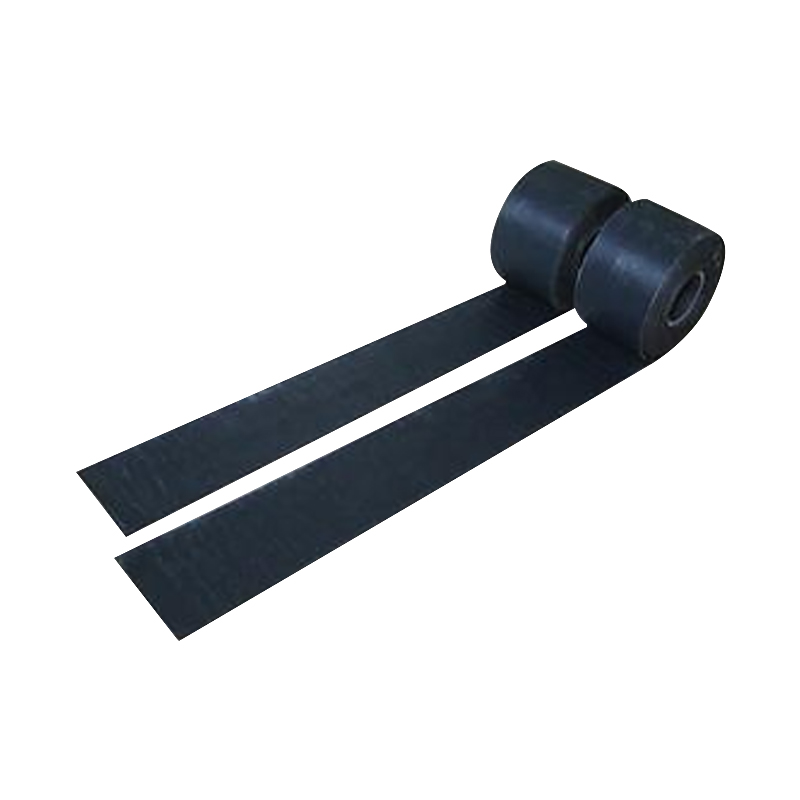
Fiberglass geogrid is the go-to reinforcement material for pavement and subgrade projects because it delivers rupture strength up to 120 kN/m with less than 3% elongation at break, keeps its shape under fiber melting points above 1000°C, and bonds directly with asphalt binder instead of sitting as a separate layer. These three traits solve the problems that plain asphalt overlays, cement layers, and steel mesh cannot: reflective cracking, rutting under heavy axle loads, and premature surface failure in hot or freeze-thaw climates.
What Fiberglass Geogrid Is Made Of and Why It Matters
Fiberglass geogrid starts as high-quality, alkali-free glass fiber yarn woven on a warp knitting machine into a directional grid structure. This warp knitting process is what separates fiberglass geogrid from a simple woven mesh: the yarn strength is used in a straight, uninterrupted line rather than being bent over and under at every intersection, which is why the finished sheet keeps a tensile strength close to the raw fiber's own rating.
After knitting, the grid is coated with a modified asphalt or resin sizing agent. This coating protects each glass filament from abrasion and moisture while making the finished geogrid compatible with hot asphalt mixtures at the chemical level, so aggregate locks into the mesh instead of sliding across a foreign surface. The result is a semi-rigid sheet that resists tearing during paver operation yet stays flexible enough to roll out over uneven roadbeds.
Because the coating bonds with asphalt rather than repelling it, fiberglass geogrid forms a mechanical interlock with the aggregate above and below it — the main reason it delays reflective cracking so much longer than an unreinforced overlay.
Tensile Strength Classes at a Glance
Fiberglass geogrid is sold in standardized strength classes so engineers can match the product to the expected traffic load. The table below lists the common classes along with their self-adhesive counterparts, which skip the tack-coat step on site.
| Class | Rupture Strength (kN/m) | Elongation at Break | Grid Size (mm) | Roll Width (m) |
|---|---|---|---|---|
| GG2525 | ≥25 / ≥25 | ≤3% | 12–50 | 1–6 |
| GG3030 | ≥30 / ≥30 | ≤3% | 12–50 | 1–6 |
| GG4040 | ≥40 / ≥40 | ≤3% | 12–50 | 1–6 |
| GG5050 | ≥50 / ≥50 | ≤3% | 12–50 | 1–6 |
| GG8080 | ≥80 / ≥80 | ≤3% | 12–50 | 1–6 |
| GG100100 | ≥100 / ≥100 | ≤3% | 12–50 | 1–6 |
| GG120120 | ≥120 / ≥120 | ≤3% | 12–50 | 1–6 |
Self-adhesive versions (GGA2525 through GGA120120) share identical strength and elongation ratings, with a factory-applied adhesive backing that removes the tack-coat step during laying. Standard roll widths are 2 m, 4 m, and 6 m, with strength, width, and grid size customizable to project specifications.
Geogrid Product Family for Pavement and Slope Projects
Beyond fiberglass geogrid, most reinforcement projects draw from a wider product family depending on load direction, soil type, and budget. Here is how the main products in that family compare side by side.
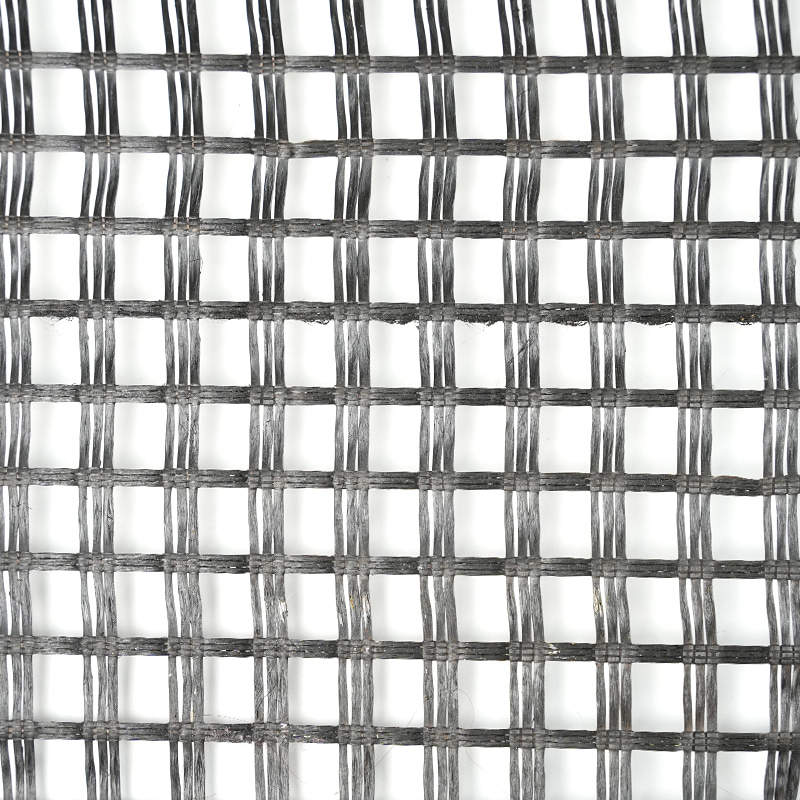
Fiberglass Geogrid
Pavement Reinforcement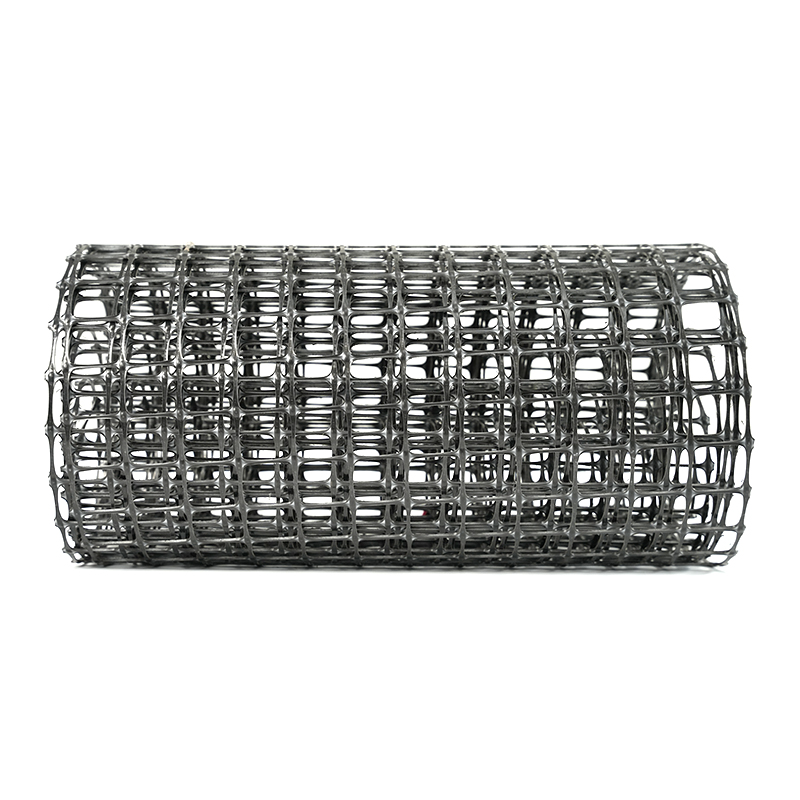
Bidirectional Geogrid
Biaxial Stabilization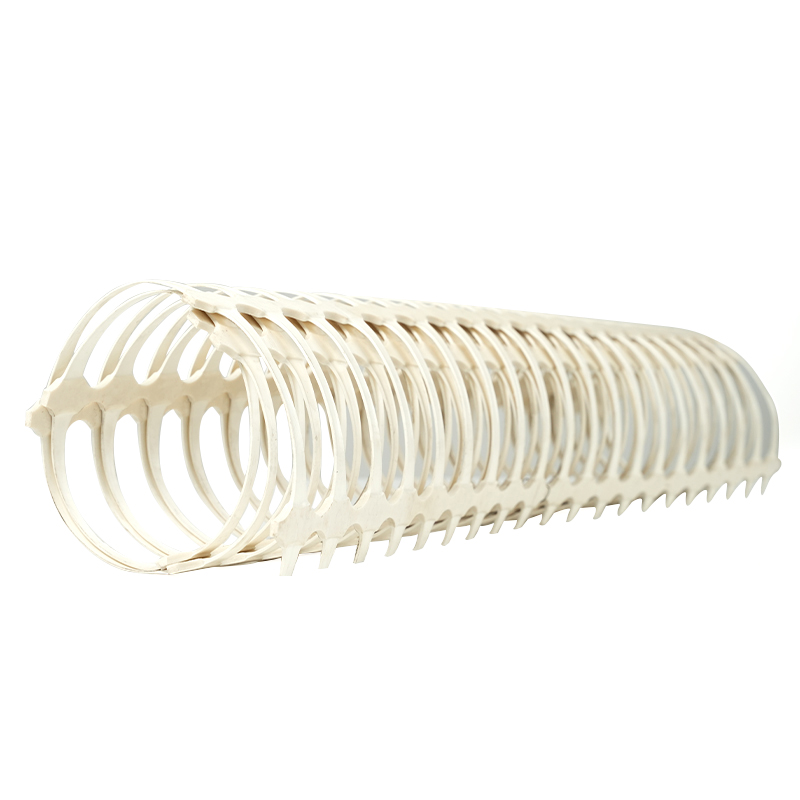
Unidirectional Geogrid
Uniaxial Reinforcement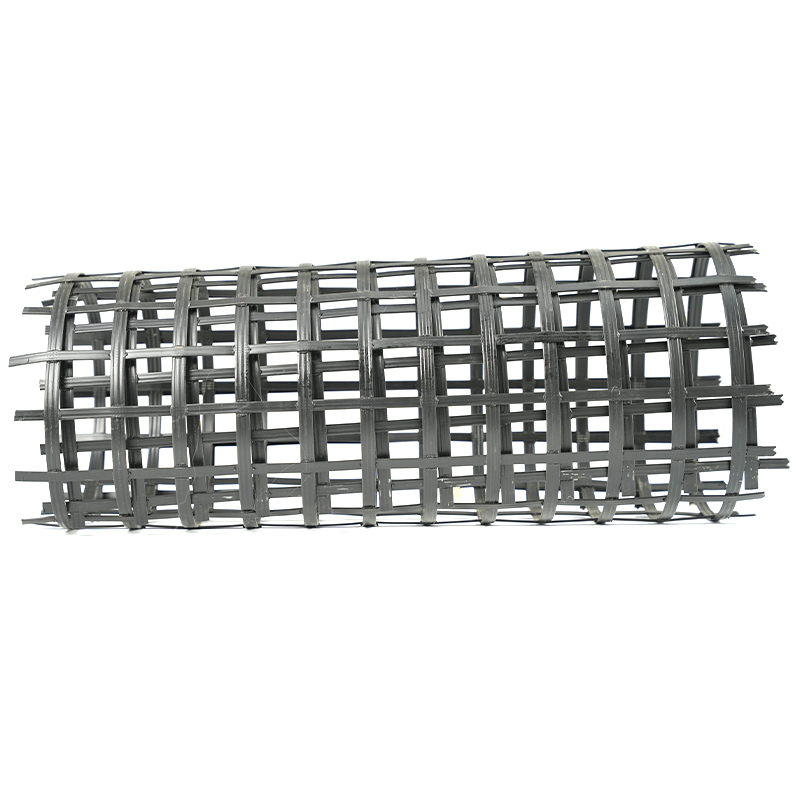
Steel Plastic Geogrid
Heavy-Duty Retaining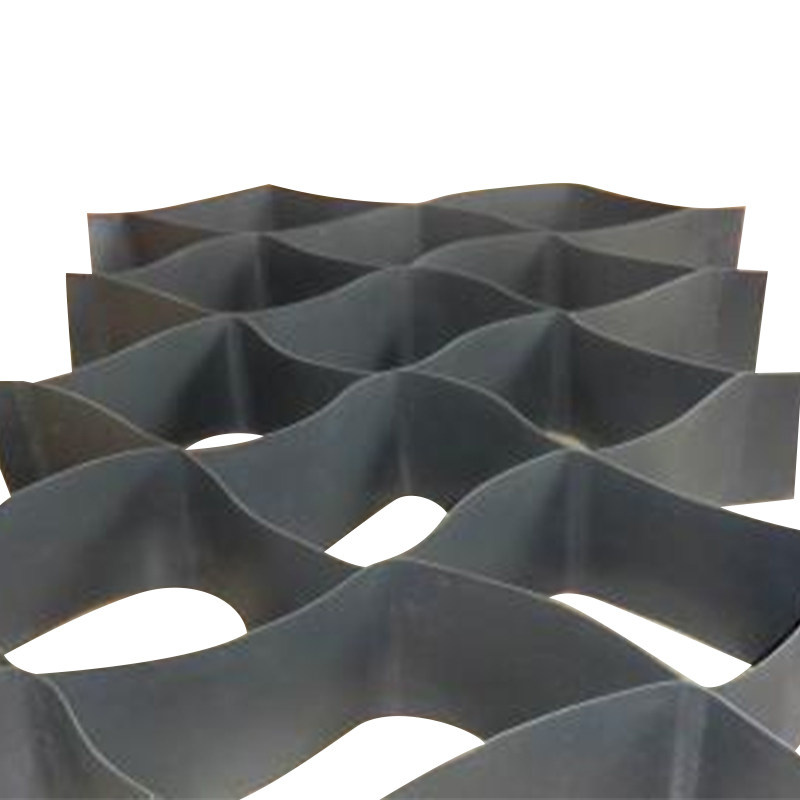
Geocell
3D Cellular ConfinementWhere Fiberglass Geogrid Outperforms PP and PE Alternatives
Polypropylene (PP) and polyethylene (PE) geogrids, produced on bidirectional or unidirectional plastic geogrid equipment, are excellent for soil and base reinforcement where flexibility under load transfer matters more than heat resistance. Fiberglass geogrid is the better choice once asphalt temperature and crack propagation become the deciding factors.
| Geogrid Type | Core Material | Typical Strength Range | Best-Fit Application |
|---|---|---|---|
| Fiberglass Geogrid | Alkali-free glass fiber | 25–120 kN/m | Asphalt overlay, reflective crack control |
| Bidirectional Plastic Geogrid | HDPE / PP | 20–60 kN/m | Base course, slope, retaining wall backfill |
| Unidirectional Plastic Geogrid | HDPE | 40–200 kN/m | Steep slopes, embankments, one-direction load |
| Geocell | Reinforced HDPE sheet | N/A (confinement) | Erosion control, load spreading on soft soil |
In practical terms, a road crew resurfacing old cracked asphalt gets more service life from fiberglass geogrid because the coating fuses with the new overlay at paving temperature, while a contractor building a mechanically stabilized earth wall gets more value from unidirectional plastic geogrid because the load runs in a single, predictable direction.
How the Production Line Determines Finished Quality
The performance numbers in the tables above are only achievable if the geogrid equipment behind them is built for precision. A dipping production line for fiberglass geogrid typically combines a fiber drawing unit, a warp knitting device, and an impregnating and coating unit, each calibrated so the coating thickness, adhesion strength, and line speed stay within a tight tolerance. A well-configured line with a triple knitting head can process around 10,000 square meters of fiberglass geogrid per hour, which is why buyers should ask any geogrid manufacturer for actual output figures rather than nameplate claims.
- Fiberglass geogrid equipment needs a stable dipping tank temperature and controlled immersion time so every filament is coated evenly, not just the outer strands.
- PP PE geogrid production line setups rely on extrusion, sheeting, and perforation before stretching, so die design and melt temperature control the final aperture accuracy.
- Bidirectional plastic geogrid equipment stretches the perforated sheet in both the machine and cross directions, producing isotropic strength for base and slope work.
- Unidirectional plastic geogrid equipment stretches in one direction only, concentrating strength along that axis for retaining structures.
- Plastic geogrid composite non-woven production line bonds a non-woven geotextile to the geogrid backbone, adding filtration and separation to the same roll.
Choosing a Geogrid Manufacturer: A Practical Checklist
Whether the project calls for fiberglass geogrid, geocell, or a composite roll, the equipment behind the product decides consistency from batch to batch. Use this checklist before signing an order with any geogrid manufacturer.
Confirm production capacity
Ask for square-meter-per-hour figures under real operating conditions, not just the rated maximum of the geogrid equipment.
Check compatible raw materials
A line built for PET or PP will not automatically handle fiberglass yarn without a dedicated impregnating and coating unit.
Review quality control features
Tensioning devices, adjustable settings, and inline monitoring keep every roll within the strength and elongation limits shown earlier.
Ask about aperture flexibility
A capable manufacturer can switch between square, triangular, and custom grid sizes without a full retool.
Verify after-sales support
Spare parts availability and on-site training matter more once the production line is running at full speed.
Common Questions About Fiberglass Geogrid
How is the tensile strength of fiberglass geogrid tested?
Samples are cut to a standard rectangular size, clamped in a tensile testing machine, and stretched at a controlled rate until failure. The tester records tensile force and elongation in real time, plots a stress-strain curve, and calculates rupture strength as the maximum load divided by the sample's cross-sectional area. Results are verified against national standards before being issued in a test report.
Does self-adhesive fiberglass geogrid perform differently from the standard type?
No. Self-adhesive fiberglass geogrid carries the same rupture strength and elongation ratings as the standard grid; the only difference is a factory-applied adhesive layer that lets crews skip the on-site tack coat, which speeds up laying on smaller repair jobs.
Can fiberglass geogrid be used with cement pavement, not just asphalt?
Yes. Beyond asphalt overlays, fiberglass geogrid is applied in cement pavement reconstruction to suppress shrinkage cracking, in soft soil foundation reinforcement to spread stress evenly, and in dike and slope protection where corrosion resistance outweighs the cost of steel mesh.