中文简体
中文简体 русский
 عربى
عربى

Content
- 1 Core Process Principles of the Bidirectional Geogrid Production Line
- 2 Main Equipment Configuration and Technical Parameters
- 3 Product Specifications and Performance Indicators
- 4 Engineering Applications of Bidirectional Geogrids
- 5 Economic Benefits Analysis of the Production Line
- 6 Equipment Selection and Configuration Recommendations
- 7 Industry Development Trends
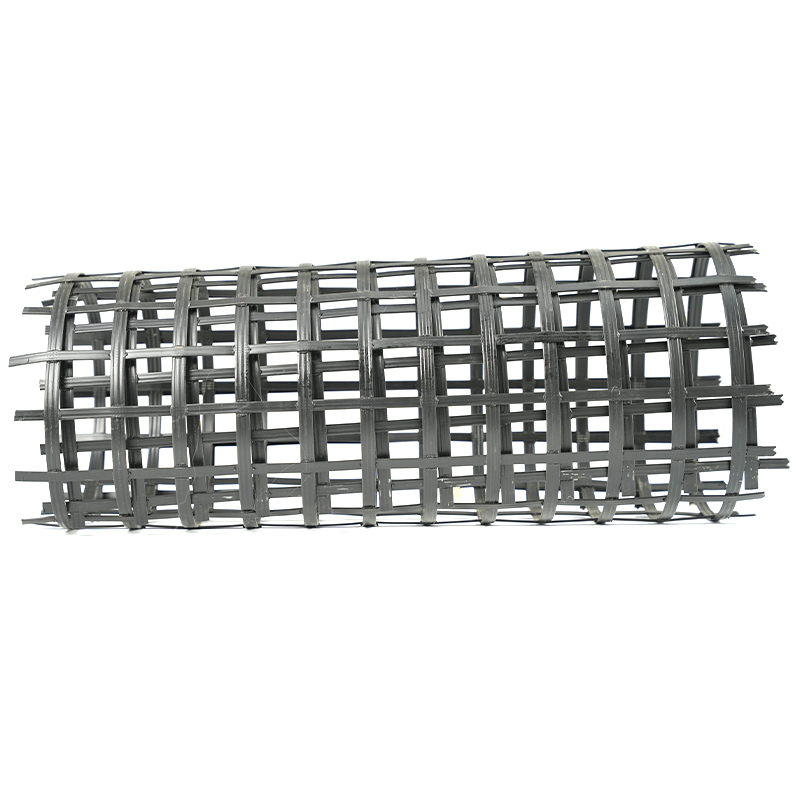
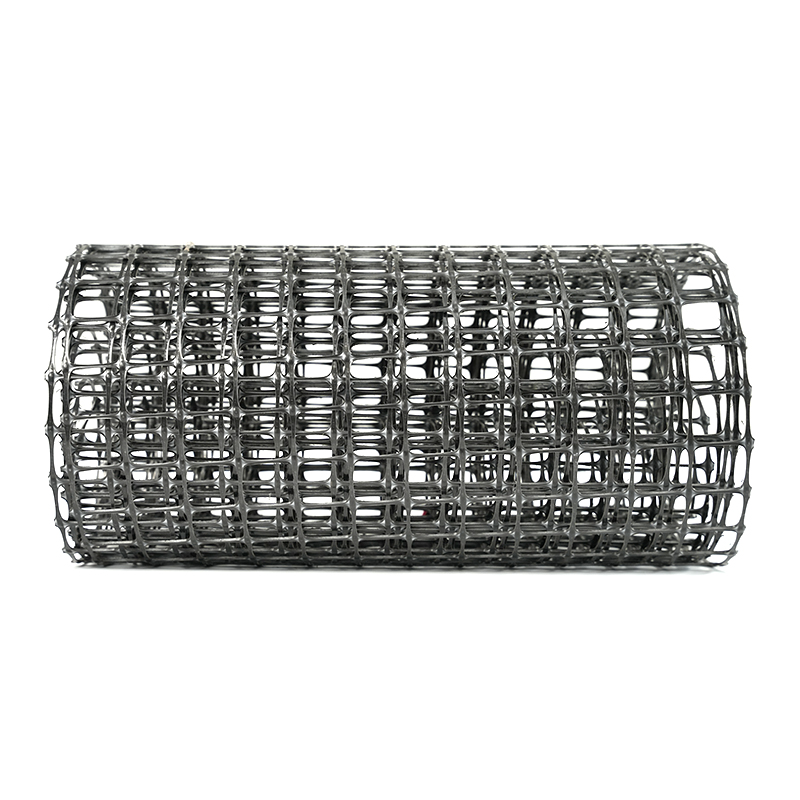
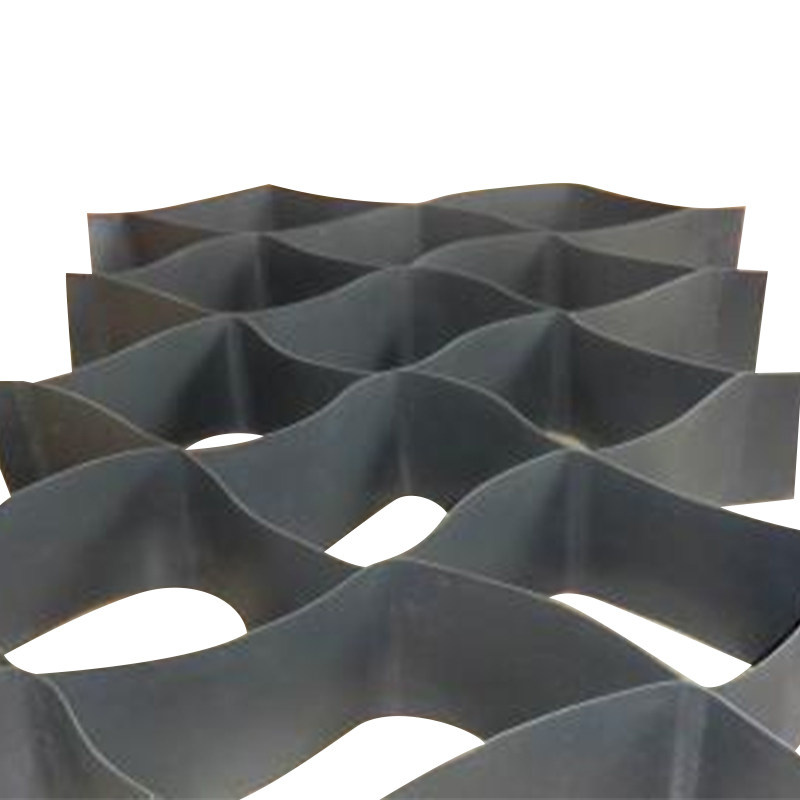
The Bidirectional Geogrid Production Line is the core equipment for manufacturing PP/PE biaxially stretched geogrids. Through extrusion, punching, and bidirectional stretching processes, polymer materials are transformed into grid-structured products with equal strength in both directions. This production line features high automation, product widths up to 6000mm, and tensile strength specifications ranging from 15-15kN/m to 50-50kN/m. It is widely applied in roadbed reinforcement, slope protection, and foundation treatment. For geogrid equipment manufacturers and geogrid producers, investing in this production line delivers annual capacities of several thousand tons with short payback periods and strong market competitiveness.
Core Process Principles of the Bidirectional Geogrid Production Line
The core of the bidirectional geogrid production line lies in the biaxial stretching process. The production flow sequence is: raw material blending and extrusion, sheet formation, precision punching, longitudinal stretching, transverse stretching, setting and cooling, and winding and packaging. After PP or PE raw materials are melted in a twin-screw extruder (L/D ratio 25-30), they pass through a flat die to form sheets with thickness of 1.5-3mm. Die precision is controlled within ±0.05mm to ensure uniform sheet thickness.
The punching stage uses high-speed punching equipment to create regular holes in the sheet, preparing for subsequent stretching. Longitudinal stretching is completed through a multi-roll heated stretching system with adjustable stretch ratios of 3-8 times. Transverse stretching adopts chain-grip wide stretching equipment with widths exceeding 6 meters, featuring synchronized tension control to prevent edge wrinkling. The final product achieves equal tensile strength in both longitudinal and transverse directions, forming an ideal load distribution network.
Main Equipment Configuration and Technical Parameters
A complete bidirectional geogrid production line consists of an extrusion system, punching system, longitudinal stretching system, transverse stretching system, cooling and setting system, and winding system. Taking the TJ-TGGS4000 and TJ-TGGS6000 models as examples, the technical parameters are as follows:
| Technical Parameter | TJ-TGGS4000 | TJ-TGGS6000 |
| Extruder Specification | Ø150/33 | Ø180/33 |
| Die Width | 1450mm | 2000mm |
| Punching Pressure | 1100KN | 3150KN |
| Unidirectional Product Width | 1200mm | 2000mm |
| Bidirectional Product Width | 4000mm | 6000mm |
| Bidirectional Product Spec | 15-15 to 50-50kN/m | 15-15 to 50-50kN/m |
| Equipment Dimensions | 98×12×4.8m | 110×15×5.2m |
The production line adopts a PLC automatic control system, equipped with online thickness detection (laser/ultrasonic) and automatic deviation correction winding devices, enabling continuous and stable production. Equipment power configuration must match capacity targets; production lines with daily output of 5-20 tons typically require factory length of 50-80 meters and width exceeding 8 meters.
Product Specifications and Performance Indicators
Bidirectional geogrid products are classified into multiple grades by tensile strength. Common specifications include TGSG15-15, TGSG20-20, TGSG30-30, TGSG40-40, and TGSG50-50. Key performance indicators for each specification are as follows:
| Performance Index | TGSG15-15 | TGSG20-20 | TGSG30-30 | TGSG40-40 | TGSG50-50 |
| Longitudinal Tensile Strength (kN/m) | 15 | 20 | 30 | 40 | 50 |
| Transverse Tensile Strength (kN/m) | 15 | 20 | 30 | 40 | 50 |
| Longitudinal Elongation (%) | 16 | 16 | 16 | 16 | 16 |
| Transverse Elongation (%) | 13 | 13 | 13 | 13 | 13 |
| 2% Strain Longitudinal Strength (kN/m) | 5 | 8 | 11 | 13 | 17 |
| 2% Strain Transverse Strength (kN/m) | 7 | 10 | 13 | 15 | 20 |
Product width is typically 1-6 meters, roll length 50-100 meters, customizable according to project requirements. Products are certified by ISO, CE, ASTM, and other standards, meeting international quality requirements.
Engineering Applications of Bidirectional Geogrids
Due to their equal strength in both directions, bidirectional geogrids play a critical role in the following engineering fields:
Roadbed Reinforcement: Installed between the road base and subgrade, the grid mechanically interlocks with soil to evenly distribute vehicle loads over a larger area, improving subgrade bearing capacity by 30%-50% and reducing pavement cracks and settlement. In soft soil foundation treatment, subgrade fill thickness can be reduced by 15%-20%, saving engineering materials.
Slope Protection: When used for soil slope reinforcement, the grid forms a composite structure with soil, improving slope stability and preventing water and soil erosion. Compared to traditional mortared stone slope protection, construction speed increases 5 times and costs decrease by over 40%.
Retaining Wall Reinforcement: As a reinforcement material layered in backfill soil, it enhances overall retaining wall stability, allowing steeper wall construction and reducing land occupation.
Airport Runways and Railway Subgrades: Used in runway foundations and railway track beds to enhance foundation uniformity, reduce differential settlement, and extend facility service life.
Mining Safety Nets: After flame-retardant and anti-static treatment, it can replace traditional metal nets for underground coal mine false roof support, offering advantages of light weight, corrosion resistance, and easy installation.
Economic Benefits Analysis of the Production Line
Investing in a bidirectional geogrid production line delivers significant economic benefits. From a production cost perspective, automated production reduces labor requirements, optimizes raw material utilization, and lowers scrap rates below 3%. Compared to traditional manufacturing processes, unit product energy consumption decreases by 15%, mainly due to variable frequency energy-saving motors and waste heat recovery systems.
From a supply chain perspective, localized production eliminates long-distance transportation costs and shortens delivery cycles. With an annual capacity of 3000 tons, the equipment investment payback period is typically 2-3 years. Product gross margins can reach 25%-35%, depending on raw material price fluctuations and specification mix.
From an engineering application perspective, using bidirectional geogrids can reduce base layer thickness and maintenance frequency, achieving 20%-30% lifecycle cost savings for projects. For infrastructure owners and investors, this means higher return on investment and asset value.
Equipment Selection and Configuration Recommendations
When purchasing a bidirectional geogrid production line, the following factors should be comprehensively considered:
Capacity Matching: Determine daily output based on target market capacity to avoid equipment idleness or insufficient capacity. Small and medium manufacturers may choose the 4000mm width model; large manufacturers are recommended to configure the 6000mm model to cover broader engineering needs.
Raw Material Adaptability: Confirm equipment compatibility with PP, PE, and modified materials. If flame-retardant geogrids for mining are required, confirm whether the equipment supports additive blending and process adjustment.
Precision Requirements: Die precision, stretching temperature uniformity (±5°C), and online detection systems directly affect product quality. Models equipped with laser thickness measurement and automatic feedback adjustment systems are recommended.
Environmental Configuration: VOCs generated during extrusion require activated carbon adsorption + catalytic combustion treatment systems to ensure compliant emissions. Acid pickling rust removal should be replaced with mechanical rust removal to avoid environmental risks.
After-Sales Service: Prioritize manufacturers with mature case studies, ensuring installation commissioning, operator training, and spare parts supply. Key components such as dies and stretching fixtures should be easily replaceable.
Industry Development Trends
Since China successfully developed its first bidirectional geogrid production line in 1998, it has become the world's largest application market for polypropylene integral biaxial geogrids. Current industry development shows the following trends:
First, products are evolving toward higher strength and larger widths. Demand is growing for ultra-wide products with tensile strength above 60kN/m and widths exceeding 12 meters, meeting the needs of large-scale projects for single-pass installation with fewer seams.
Second, intelligent production levels are improving. Online detection, automatic deviation correction, and data traceability systems have become standard features. Some advanced production lines have achieved remote monitoring and automatic process parameter optimization.
Third, green environmental requirements are tightening. Recyclable raw material applications, production waste recycling, and low-energy processes have become priorities for equipment upgrades. Waste heat recovery systems can reduce energy consumption by 10%-15%.
Fourth, special-function product applications are expanding. Flame-retardant, anti-static, acid-alkali resistant, and UV-resistant functional geogrids are seeing increasing application proportions in mining, chemical, and coastal engineering projects.