中文简体
中文简体 русский
 عربى
عربى

Content
- 1 Core Process Flow of a Dipping Production Line
- 2 Fiberglass Geogrid Equipment vs PP PE Geogrid Production Line
- 3 Choosing Between Bidirectional and Unidirectional Plastic Geogrid Equipment
- 4 Where Geocell and Composite Non-Woven Lines Add Value
- 5 Key Factors to Check Before Buying a Dipping Production Line
- 6 Evaluating the Overall Strength of a Geogrid Manufacturer
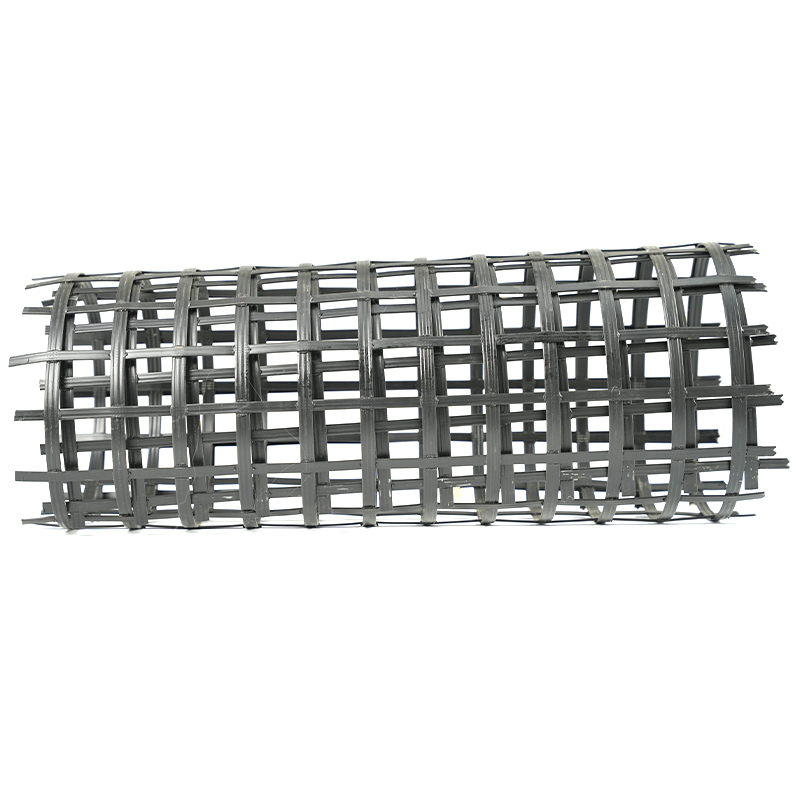
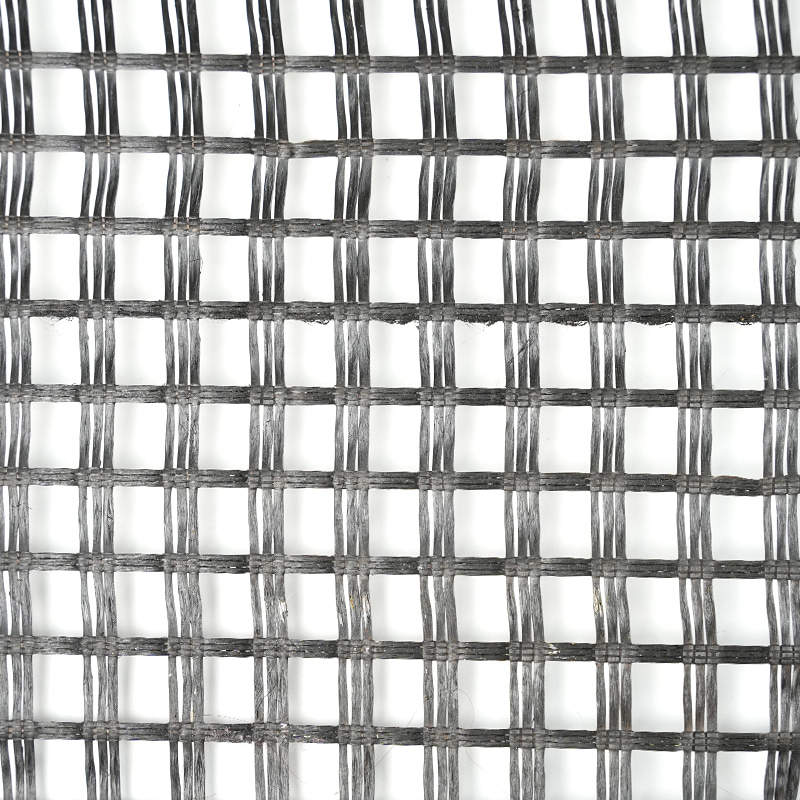
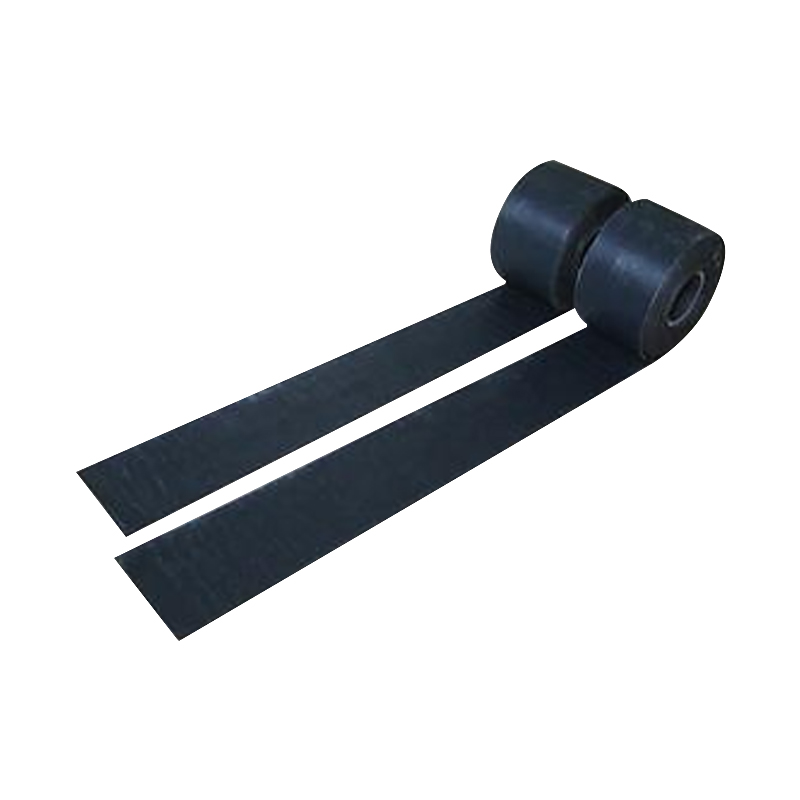
A fiberglass geogrid dipping production line is the equipment used to coat fiberglass (chemical fiber) yarns with a resin or modified asphalt emulsion, then cure and wind them into finished geogrid rolls with high tensile strength, low elongation and strong resistance to corrosion and UV exposure. For projects that require high reinforcement strength and long-term durability, this type of geogrid equipment is generally a better fit than a standard PP PE Geogrid production line. Below is a closer look at the process flow, how this line compares with other geogrid manufacturer equipment, and what to check before purchasing.
Core Process Flow of a Dipping Production Line
A complete fiberglass geogrid dipping line typically includes yarn unwinding, grid forming, dip-tank impregnation, multi-stage oven curing, and rolling. The dipping stage uses modified asphalt emulsion, PVC paste or acrylic resin to encapsulate the fiber bundles, improve UV aging resistance and strengthen the shear performance at the grid joints.
| Process Stage | Main Function | Typical Parameter Range |
| Yarn unwinding | Supplies raw fiberglass yarn bundles | Number of spindles depends on grid spec |
| Grid forming | Creates the mesh structure | Aperture size adjustable from 20 to 100 mm |
| Dipping | Coats fibers, improves corrosion resistance | Dwell time from a few seconds to tens of seconds |
| Oven curing | Cures and stabilizes the coating | Oven temperature usually staged between 120 and 200 degrees Celsius |
| Winding | Rolls the finished product for transport | Roll weight customized per customer |
Fiberglass Geogrid Equipment vs PP PE Geogrid Production Line
Buyers often confuse these two categories of geogrid equipment, but they differ significantly in raw material, process and application. The table below offers a direct comparison to help buyers position their product line correctly.
| Comparison | Fiberglass Geogrid Line | PP PE Geogrid Production Line |
| Raw material | Fiberglass yarn | Polypropylene or polyethylene sheet |
| Core process | Dipping and oven curing | Extrusion, punching and stretching |
| Tensile strength | Higher, suited to heavy-load conditions | Moderate, suited to standard subgrade work |
| Typical applications | Asphalt pavement reinforcement, airport runways | Soft soil treatment, slope protection |
| Equipment investment | Relatively higher | Relatively moderate |
As shown above, if the end customer mainly serves asphalt overlay reinforcement or projects with strict creep resistance requirements, fiberglass geogrid equipment with a dipping process is generally the better match. If the product is positioned for lower-cost subgrade stabilization, a PP PE Geogrid production line offers a stronger cost-performance balance.
Choosing Between Bidirectional and Unidirectional Plastic Geogrid Equipment
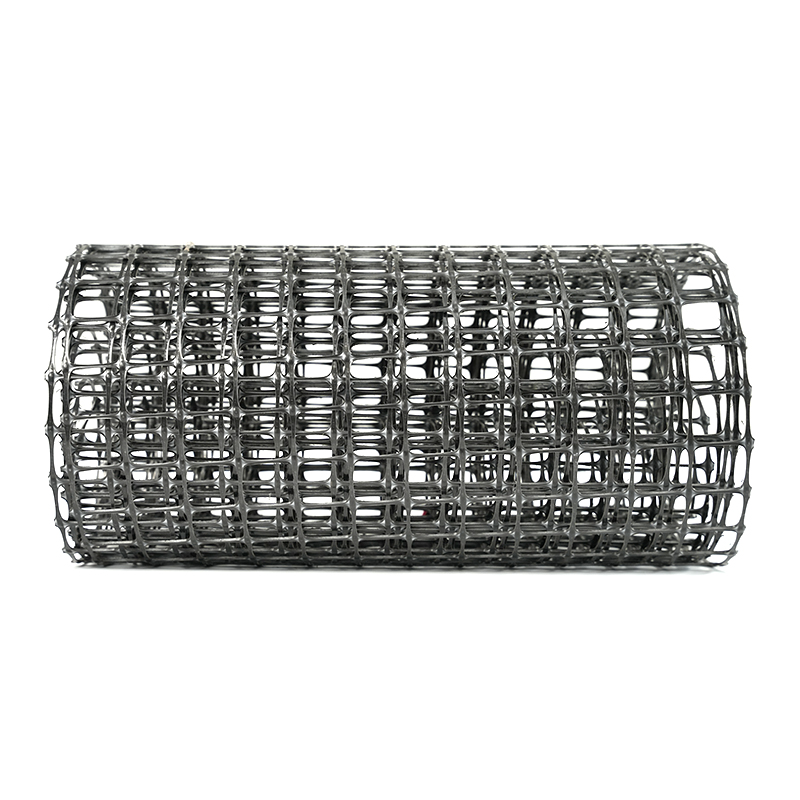
Bidirectional plastic geogrid equipment and unidirectional plastic geogrid equipment are another pair of categories that are easy to mix up. The number of stretching directions determines how strength is distributed across the finished product.
| Equipment Type | Stretching Direction | Product Characteristics | Example Applications |
| Unidirectional stretching line | Single longitudinal direction | Strong longitudinal tensile performance | Steep slope reinforcement, retaining walls |
| Bidirectional stretching line | Both longitudinal and transverse directions | Balanced strength in both directions | Roadbed paving, parking lot foundations |
For a comprehensive geogrid manufacturer, running both unidirectional and bidirectional stretching lines covers a wider range of downstream orders and improves capacity utilization, though it also requires additional upfront investment and factory layout planning.
Where Geocell and Composite Non-Woven Lines Add Value
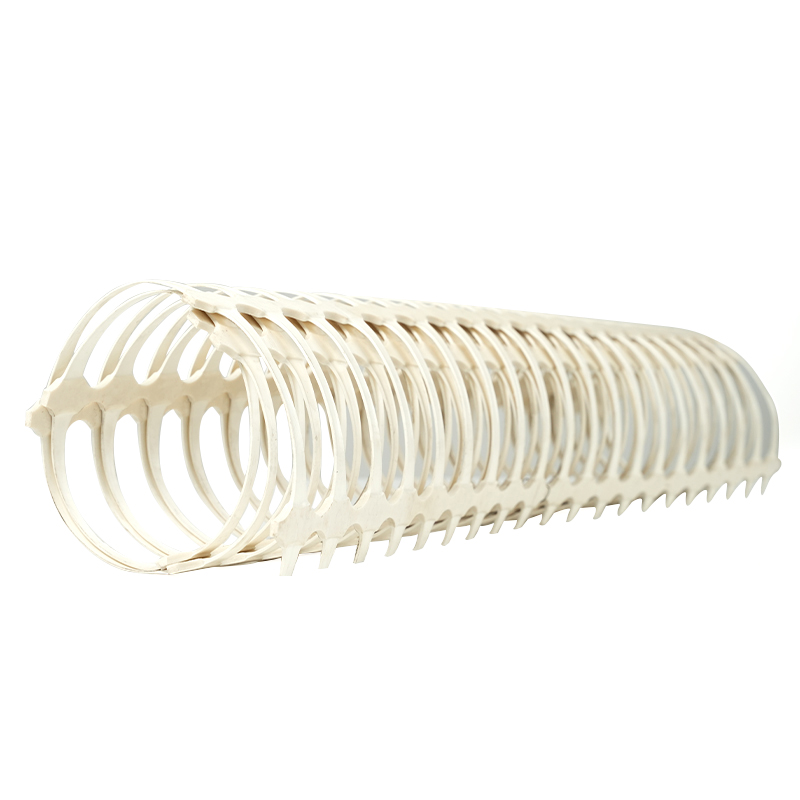
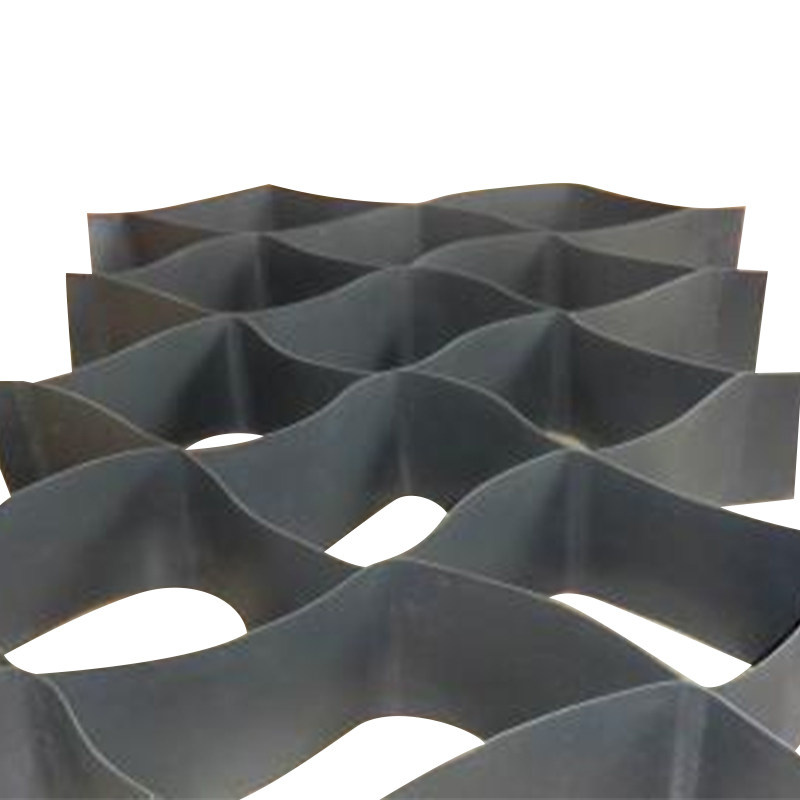
Beyond flat geogrid products, geocell and a plastic geogrid composite non-woven production line are common directions for product line expansion. Geocell consists of welded honeycomb-shaped cells, commonly used for slope soil stabilization and base layer reinforcement. A composite non-woven production line bonds geogrid with non-woven fabric through thermal pressing or needle punching, adding filtration and separation functions that are widely used in drainage projects and railway subgrades.
For a factory that already operates a fiberglass geogrid dipping production line, adding a composite non-woven line allows the upgrade of a single-function geogrid product into a composite product, raising the value per unit and meeting customer demand for integrated materials in one purchase.
Key Factors to Check Before Buying a Dipping Production Line
When discussing equipment with a supplier, the following points are worth verifying in detail to avoid underperforming capacity or excessive maintenance costs later on.
| Factor | What to Check |
| Dip tank capacity and impregnation uniformity | Whether the full width of the material is coated evenly to avoid local strength loss |
| Oven temperature control precision | Whether multiple zones can be adjusted independently and how tight the temperature tolerance is |
| Line width and speed | Whether it matches target product specs and monthly output goals |
| Energy consumption and emission treatment | Whether exhaust treatment is included and meets environmental standards |
| After-sales and spare parts | Whether key wear parts are stocked locally and how fast support response is |
For example, on a dipping line with a working width of around 4 meters, an oven divided into five independent temperature zones allows finer control over the curing curve for resins with different fiber content, reducing strength variation at grid joints caused by incomplete curing.
Evaluating the Overall Strength of a Geogrid Manufacturer
Beyond reviewing a spec sheet, buyers can assess a geogrid equipment supplier more thoroughly by visiting an installed production line in operation, asking for output data from comparable customers as a reference, and reviewing how the supplier allocates R and D resources across PP PE Geogrid production line, fiberglass geogrid equipment and geocell equipment, which often reflects the breadth and depth of their process experience.
In summary, a fiberglass geogrid dipping production line is a process-intensive but high-value-added type of equipment. Paying close attention to dipping uniformity, oven temperature control and line width, while also considering future expansion toward geocell or composite non-woven product lines, helps buyers make a more forward-looking decision during procurement.