中文简体
中文简体 русский
 عربى
عربى

Content
- 1 1. How Much Should a Complete Geogrid Production Line Actually Cost?
- 2 2. PP, PE, or Fiberglass — Which Raw Material Path Fits the Business Plan?
- 3 3. What Output Capacity Should Be Trusted — Nameplate or Tested?
- 4 Geogrid Equipment and Finished Product Range
- 5 4. What After-Sales Support Should Come Standard From a Geogrid Manufacturer?
- 6 5. Is a Composite Non-Woven Line Worth Adding to the Order?
- 7 6. Does Geocell Production Belong in the Same Investment, or Is It Separate?
- 8 7. What Certifications and Quality Checks Matter Most?
- 9 8. Can the Line Run on Recycled Raw Material Without Losing Strength?
- 10 9. How Long Does Delivery and Installation Actually Take?
- 11 10. What Payback Period Is Realistic for a Geogrid Investment?
- 12 Final Checklist Before Signing
Before signing a contract for a geogrid production line, buyers should get clear answers on total investment cost, raw material compatibility (PP, PE, or fiberglass), real output capacity versus advertised capacity, after-sales support terms, and expected payback period. A reliable geogrid manufacturer will answer all of these without hesitation and back the numbers with test data or reference projects.
Geogrid demand keeps climbing as road, railway, and slope-stabilization projects expand across Asia, the Middle East, and Africa. That growth pulls in a lot of new buyers who have never purchased extrusion or stretching machinery before. Below are the ten questions that come up in almost every serious inquiry, answered in the order a buyer typically needs them.
1. How Much Should a Complete Geogrid Production Line Actually Cost?
Pricing depends heavily on which type of line is being quoted. A single-screw uniaxial stretching line for unidirectional plastic geogrid equipment sits at the lower end of the range because the process only involves one stretching direction. A bidirectional plastic geogrid equipment setup, which stretches sheet in both machine and transverse directions, requires an additional stretching frame, oven zones, and a more complex control system, so it carries a higher price tag. Fiberglass geogrid equipment, which includes a dipping and coating unit, sits in its own category because of the resin-handling system involved.
| Production Line Type | Core Process | Typical Buyer Profile |
| Unidirectional plastic geogrid equipment | Single-direction stretching | First-time investors, slope reinforcement suppliers |
| Bidirectional plastic geogrid equipment / PP PE geogrid production line | Two-direction stretching | Road and pavement material producers |
| Fiberglass geogrid equipment | Warp knitting plus resin dipping | Asphalt overlay and crack-resistance suppliers |
| Plastic geogrid composite non-woven production line | Geogrid lamination with non-woven fabric | Drainage and filtration product lines |
Buyers should always request a line-item quotation broken down by extruder, stretching unit, winding station, control cabinet, and installation service. A single lump-sum figure makes it hard to compare offers from different geogrid equipment suppliers.
2. PP, PE, or Fiberglass — Which Raw Material Path Fits the Business Plan?
This is usually the second question, and it should be answered before any machine is selected. Polypropylene and polyethylene sheet, run through a bidirectional or unidirectional stretching process, produces the geogrid used in road base reinforcement, retaining walls, and railway subgrade work. Fiberglass geogrid, by contrast, is knitted first and then coated with a bitumen-compatible resin, making it the standard choice for asphalt overlay crack prevention. A buyer targeting highway maintenance contracts will lean toward fiberglass geogrid equipment, while one targeting earthworks and embankment projects will lean toward a PP PE geogrid production line.
Some manufacturers serve both markets and can advise on splitting an initial investment across two smaller lines rather than one large line, which reduces the risk if demand shifts between material types during the first two or three years of operation.
3. What Output Capacity Should Be Trusted — Nameplate or Tested?
Nameplate capacity on a spec sheet is the theoretical maximum under ideal conditions. Actual sustained output is usually 75 to 85 percent of that figure once raw material variation, mesh aperture changes, and routine maintenance stops are factored in. A buyer comparing two quotes with the same nameplate number should ask for the sustained daily output at the specific roll width and aperture size the business will actually run, since narrower rolls and tighter apertures both slow line speed.
- Ask for capacity figures tied to a specific product spec, not a generic range.
- Request a video or live test run at the specification closest to the planned product mix.
- Confirm whether quoted capacity already accounts for changeover and cooling time between batches.
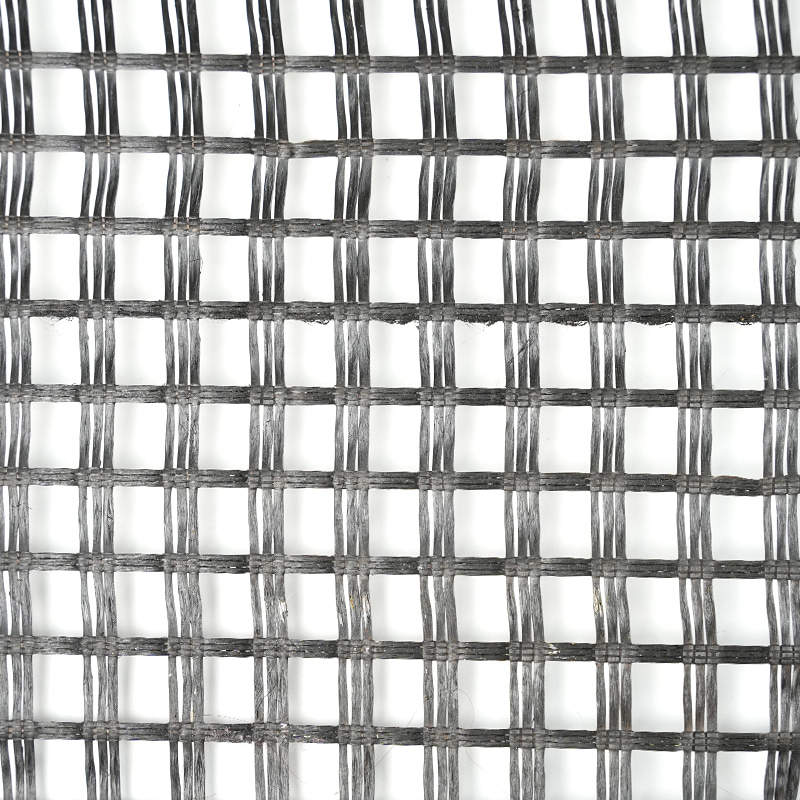
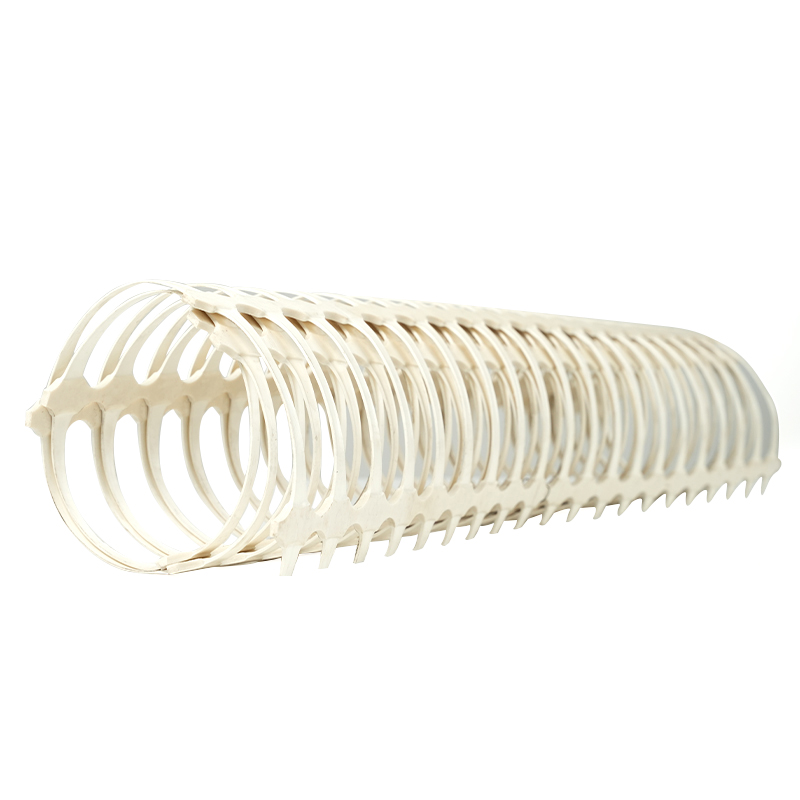
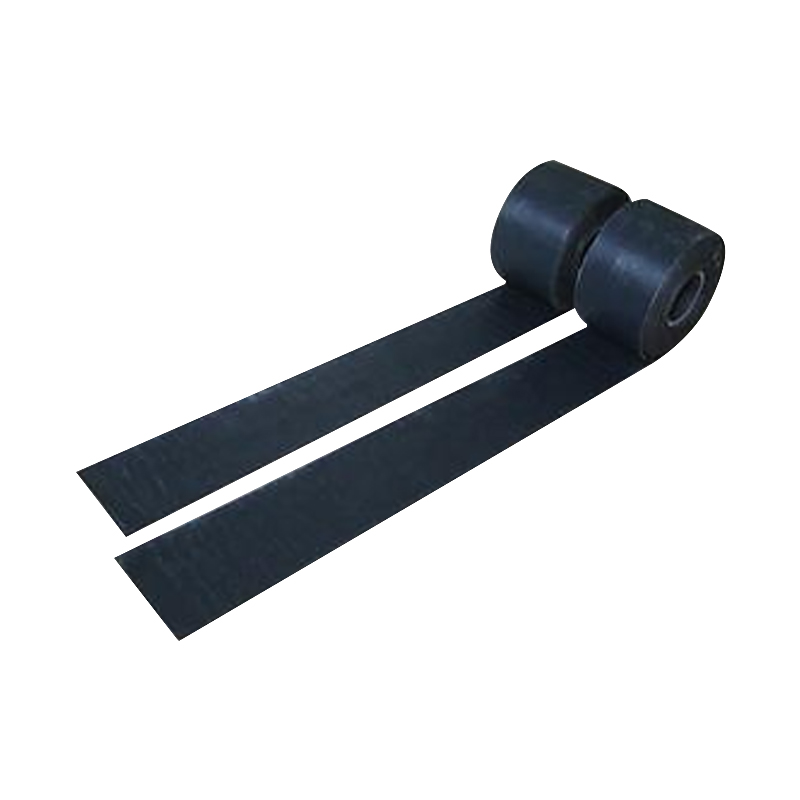
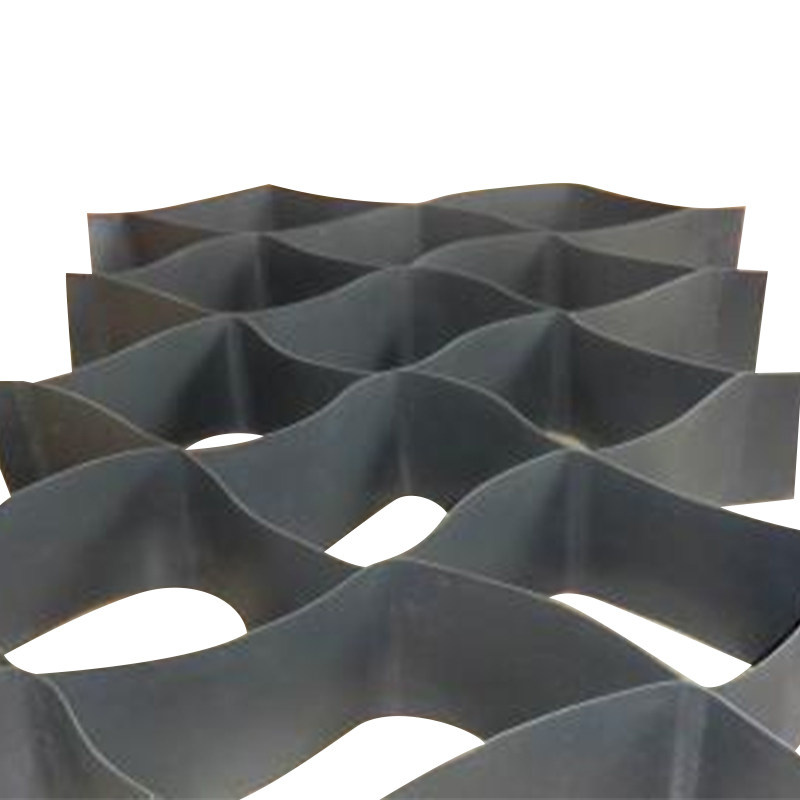
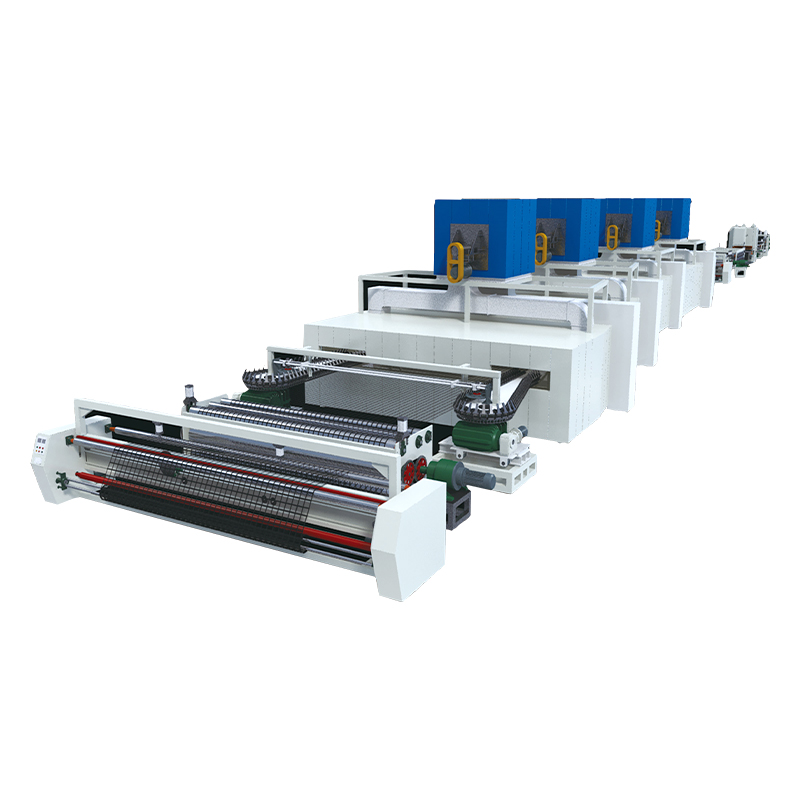
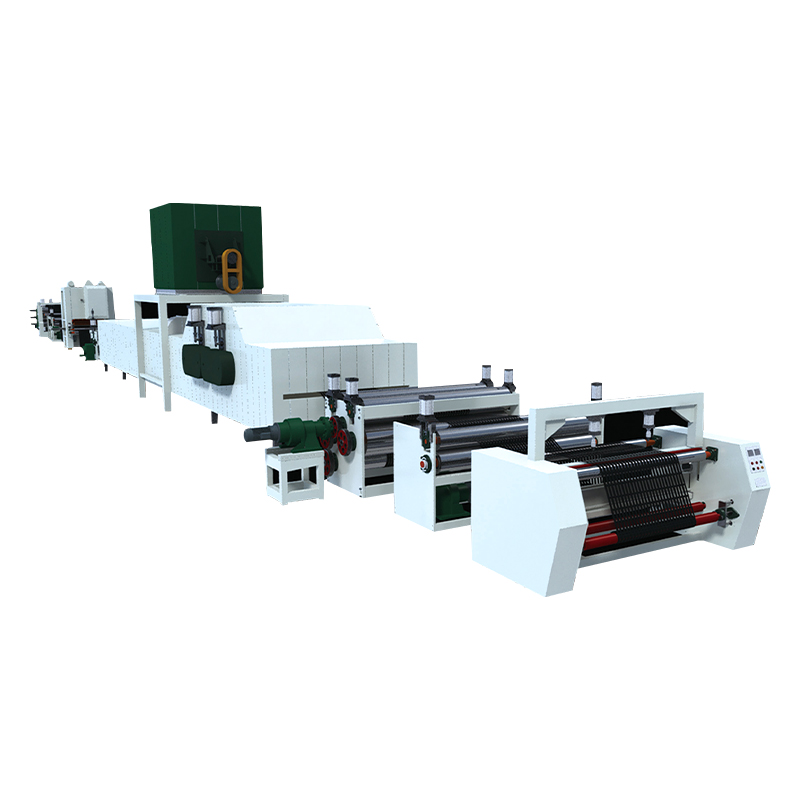
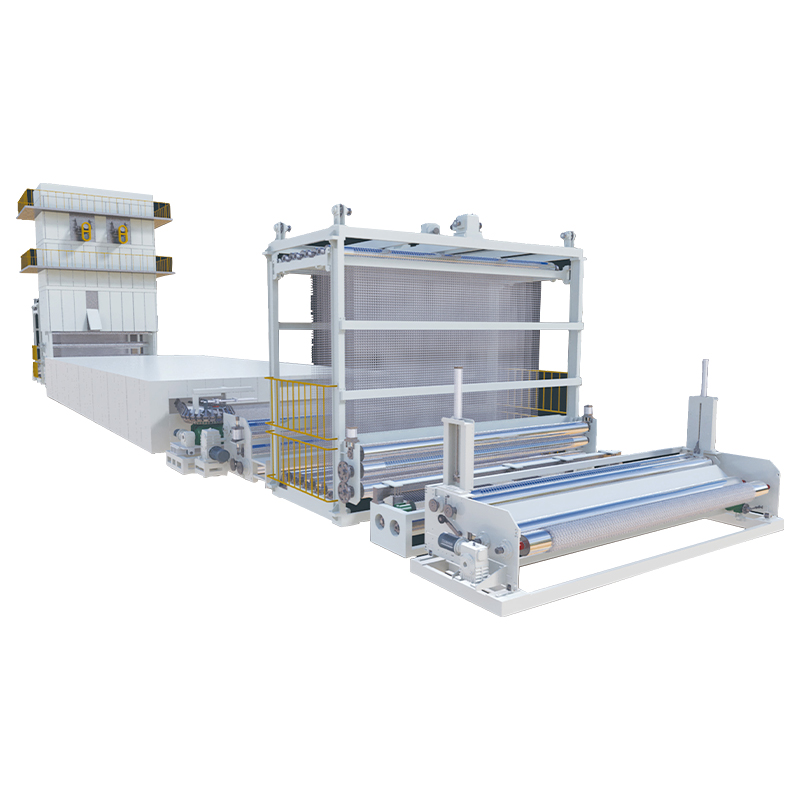
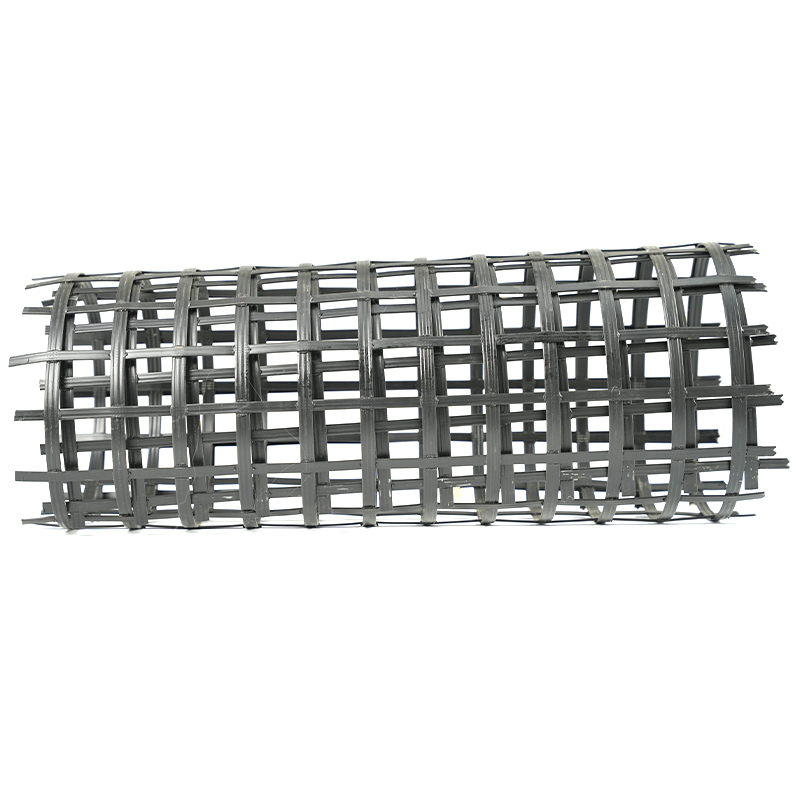
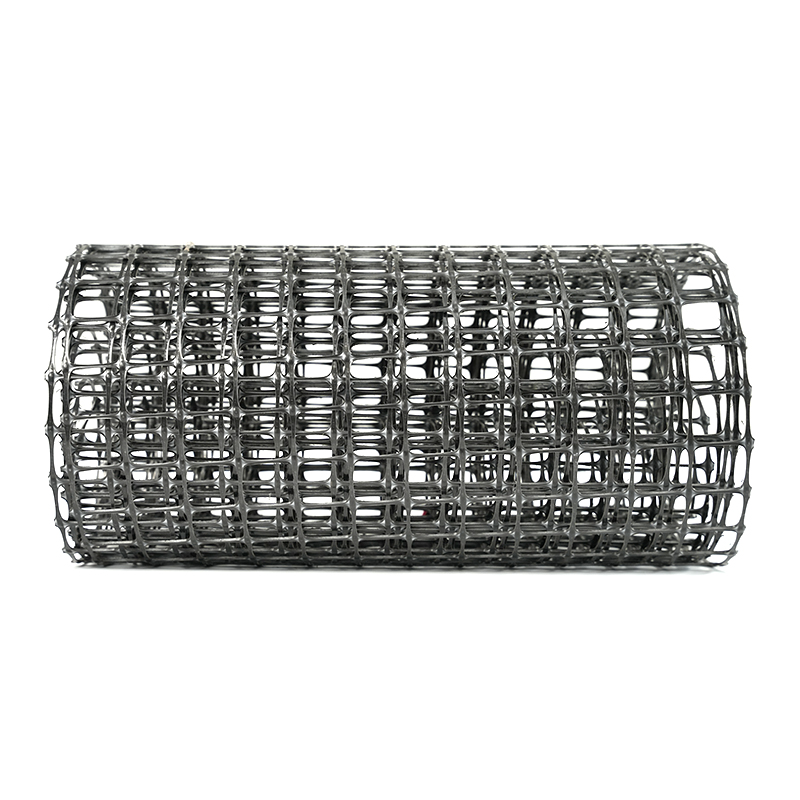
Geogrid Equipment and Finished Product Range
A quick look at the core machinery and geogrid products a single supplier can typically cover, from stretching lines to finished rolls ready for shipment.
4. What After-Sales Support Should Come Standard From a Geogrid Manufacturer?
Machinery breakdowns are not rare in the first six months of operation, mostly due to operator learning curves rather than equipment defects. A dependable geogrid manufacturer should offer on-site installation supervision, operator training at the factory or on-site, a documented spare parts list with lead times, and remote troubleshooting through video call. Buyers should ask specifically how fast a technician can be dispatched and whether that cost is included in the contract or billed separately.
5. Is a Composite Non-Woven Line Worth Adding to the Order?
A plastic geogrid composite non-woven production line laminates geogrid with non-woven geotextile in a single pass, producing a combined reinforcement-and-filtration material used in drainage and erosion-control projects. Buyers who already have confirmed orders for composite products, or who are bidding on drainage-heavy infrastructure tenders, often find the added investment pays back faster than expected because it opens a second product category without duplicating the extrusion stage. Buyers with a narrower product focus can usually defer this addition and bolt it onto an existing bidirectional line later.
6. Does Geocell Production Belong in the Same Investment, or Is It Separate?
Geocell is manufactured through a welding process rather than stretching, so it typically requires a dedicated ultrasonic or thermal welding line rather than sharing equipment with sheet-stretching geogrid production. Buyers evaluating a combined geogrid and geocell offering should confirm whether the geocell line is a genuinely separate production cell with its own automation, or a stripped-down add-on with limited output. Treating geocell as a second, standalone investment decision — rather than a bundled afterthought — tends to produce a more realistic budget.
7. What Certifications and Quality Checks Matter Most?
ISO 9001 quality management certification is the baseline expectation for any serious geogrid equipment supplier. Beyond that, buyers should ask to see tensile strength test reports for sample rolls produced on the exact machine model being quoted, not just laboratory-grade demonstration samples. A supplier that can share patent documentation for its stretching or dipping technology is generally further along in process refinement than one relying on generic off-the-shelf mechanical designs.
8. Can the Line Run on Recycled Raw Material Without Losing Strength?
Many buyers plan to blend virgin PP or PE with recycled regrind to control raw material cost. A well-engineered bidirectional plastic geogrid equipment setup can typically handle a recycled content ratio in the range of 20 to 30 percent without a significant drop in tensile strength, provided the extruder has adequate filtration and the regrind is clean and consistently sized. Buyers planning a higher recycled ratio should request a test run using their actual regrind sample before finalizing the order, since melt flow inconsistency is the most common cause of output rejection.
9. How Long Does Delivery and Installation Actually Take?
| Stage | Typical Duration |
| Manufacturing after deposit payment | 45 to 75 days |
| Sea freight to destination port | 20 to 40 days |
| On-site installation and commissioning | 10 to 20 days |
| Operator training and stabilized output | 2 to 4 weeks |
Buyers should build these timelines into any project bid or contract commitment rather than assuming production can start the day the line arrives on site.
10. What Payback Period Is Realistic for a Geogrid Investment?
Payback depends on local demand, selling price, and line utilization, but buyers running a single bidirectional line at 70 percent or higher utilization commonly report recovering the equipment cost within 18 to 30 months once infrastructure spending in the region is active. Fiberglass geogrid equipment tends to have a slightly longer payback window because output volumes per shift are lower, but average selling price per roll is often higher. Buyers should build a conservative model using 60 percent utilization for the first year, since ramp-up time and market development rarely allow full capacity from day one.
Final Checklist Before Signing
- Written, itemized quotation covering every major component and freight terms
- Sample test report from the exact machine model, not a demonstration model
- Clear after-sales terms including technician dispatch time and spare parts pricing
- Confirmed compatibility with the planned raw material, including recycled content ratio
- Realistic delivery and installation timeline in writing
Working through these ten questions with a prospective geogrid manufacturer, in this order, gives buyers a clear picture of both the machine and the business case before any deposit is paid.