中文简体
中文简体 русский
 عربى
عربى

Content
- 1 Bidirectional, Unidirectional, and Fiberglass Equipment at a Glance
- 2 Inside a Bidirectional PP PE Geogrid Production Line
- 3 Tensile Strength Range by Geogrid Type
- 4 Unidirectional Stretch Equipment: A Simpler Path to High Single-Direction Strength
- 5 Fiberglass Geogrid Equipment for Pavement Reinforcement
- 6 Where Finished Geogrid and Geocell Get Used
- 7 Explore Our Geogrid Production Equipment
- 8 Geocell and Composite Non-Woven Lines: Complementary Equipment
- 9 Output Capacity Across Production Line Scales
- 10 How to Evaluate a Geogrid Manufacturer Before Signing a Contract
- 11 Key Takeaways for Buyers and Investors
For most PP or PE geogrid production, a bidirectional plastic geogrid equipment line is the more versatile starting point, because it stretches raw sheet in both the machine and cross directions and covers the widest range of road base, parking lot, and general subgrade jobs. An unidirectional plastic geogrid equipment line becomes the better investment when the finished product needs very high tensile strength concentrated in a single direction, such as reinforced steep slopes and retaining walls. Fiberglass geogrid equipment, built around resin dipping and coating rather than stretching, serves a different purpose again: it produces material used to reinforce asphalt overlays and slow reflective cracking on aging roads. A geocell welding line and a plastic geogrid composite non-woven production line sit outside this stretching-based family and are usually added once a core geogrid manufacturer's production base is already running.
Bidirectional, Unidirectional, and Fiberglass Equipment at a Glance
Before comparing prices, it helps to line up what each type of geogrid equipment actually does to the raw material, since that difference decides which finished geogrid the line can produce and which market it sells into.
| Equipment Type | Core Process | Typical Raw Material | Best Fit Application |
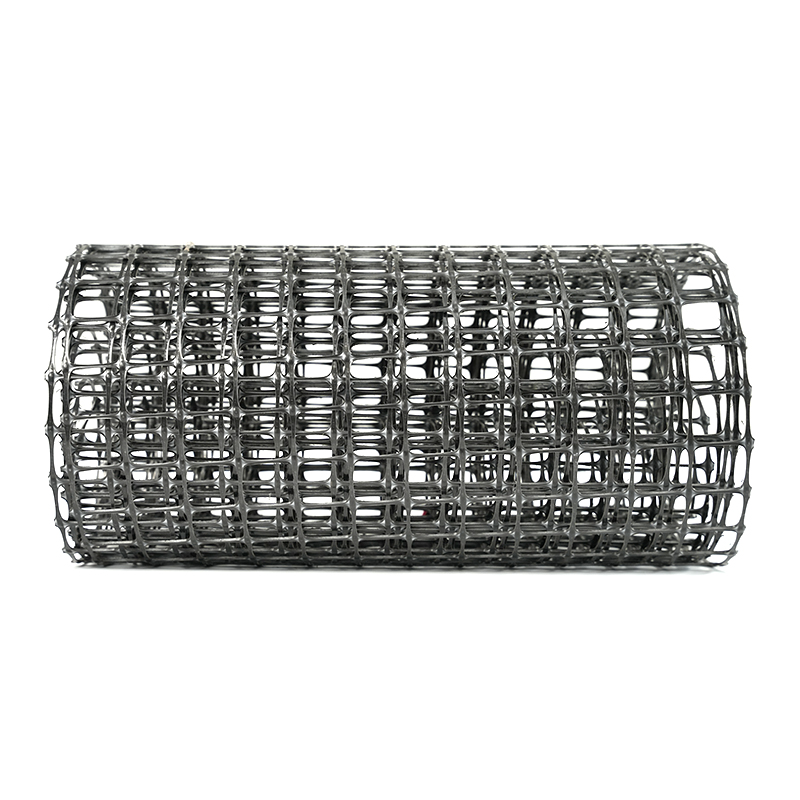
| Bidirectional PP PE geogrid production line | Extrusion, punching, longitudinal and transverse stretching | Polypropylene or polyethylene sheet | Road base, parking areas, general subgrade |
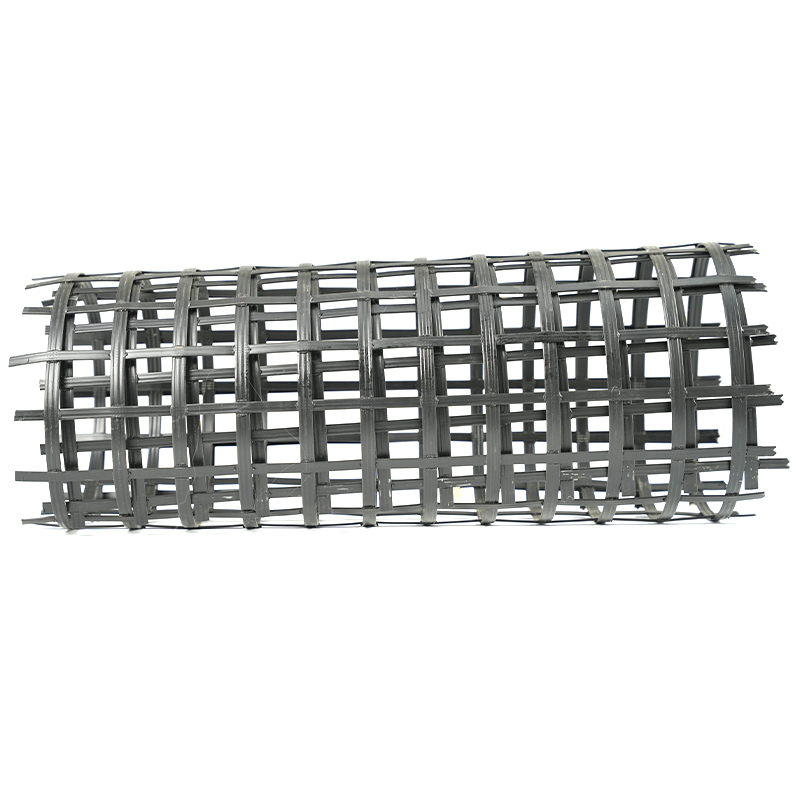
| Unidirectional plastic geogrid equipment | Extrusion, punching, single-direction stretching | High-density polyethylene sheet | Retaining walls, reinforced slopes, embankments |
| Fiberglass geogrid equipment | Warp knitting, resin dipping, coating and drying | Alkali-free glass fiber yarn | Asphalt overlay, old road reinforcement |
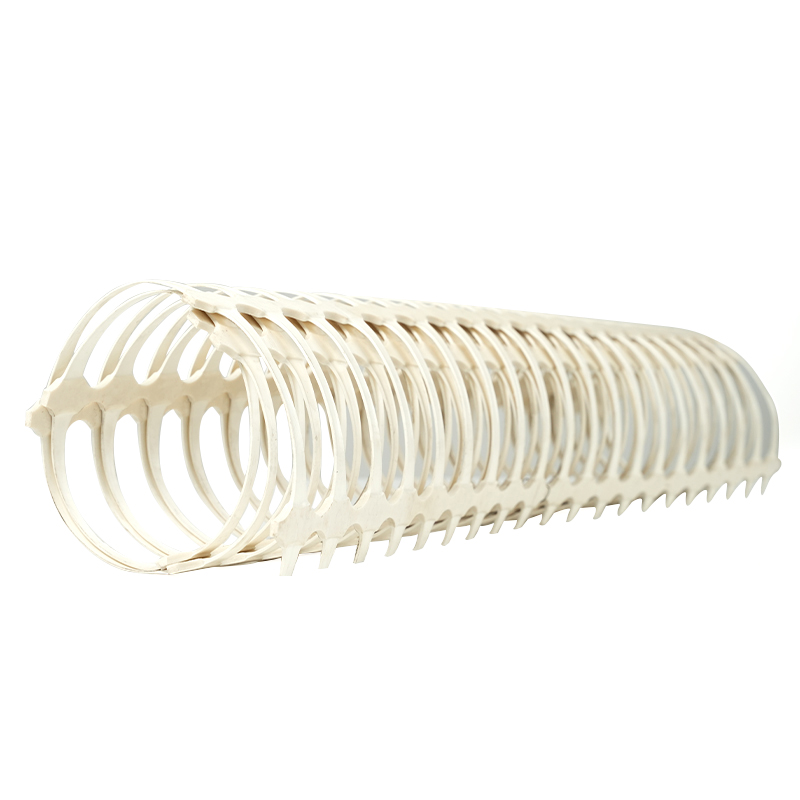
| Geocell welding line | Ultrasonic strip welding into a cellular sheet | Reinforced HDPE sheet | Slope protection, roadbed confinement, erosion control |
Inside a Bidirectional PP PE Geogrid Production Line
A bidirectional geogrid production line is usually the entry point for a new geogrid manufacturer because one machine line can serve several application markets at once. The process runs as a sequence of linked stations rather than a single machine.
Extrusion and Sheeting
Polypropylene or polyethylene resin is melted and extruded through a flat die into a continuous polymer sheet of consistent thickness.
Precision Punching
A punching unit cuts a regular pattern of apertures into the sheet, which later become the open grid pattern that allows soil strike-through.
Longitudinal Stretching
The punched sheet is heated and drawn in the machine direction, aligning polymer molecules and building tensile strength along that axis.
Transverse Stretching
A second stretching stage draws the sheet sideways, producing balanced strength in both directions, which is the defining trait of bidirectional plastic geogrid equipment.
Shaping and Winding
The finished geogrid is cooled, trimmed to width, and wound into rolls ready for packing and export.
Unidirectional Stretch Equipment: A Simpler Path to High Single-Direction Strength
Unidirectional plastic geogrid equipment removes the transverse stretching stage, which shortens the production line and lowers the entry cost, while concentrating almost all of the polymer's strength into one direction.
Sheet extrusion. High-density polyethylene is extruded into a flat sheet, then punched with rectangular or oval apertures.
Single-axis drawing. The sheet is heated and pulled along the machine direction only, producing ribs with very high longitudinal tensile strength.
Setting and cooling. A heat-setting stage locks in the stretched molecular structure so the geogrid keeps its strength under long-term load.
Rolling and packing. The finished rolls are typically labeled by rib strength class, ready to ship to reinforced-earth wall and slope projects.
Fiberglass Geogrid Equipment for Pavement Reinforcement
Fiberglass geogrid equipment is built around chemistry and coating control rather than mechanical stretching, which is why a fiberglass geogrid line looks and runs differently from a plastic geogrid production line.
Warp Knitting
Alkali-free glass fiber yarn is warp-knitted into an open grid structure on a dedicated knitting machine.
Resin Dipping
The knitted grid passes through a resin bath that coats every yarn to protect it from moisture, alkali, and UV degradation.
Drying and Curing
Ovens cure the resin coating, which sets the final tensile strength and gives the fiberglass geogrid its stiffness for asphalt overlay work.
Because it resists high paving temperatures, fiberglass geogrid produced this way is commonly used to delay reflective cracking on old asphalt roads, on new highway surface courses, and on airport pavements where a plastic geogrid would soften.
Where Finished Geogrid and Geocell Get Used
Understanding where the finished product ends up helps a new geogrid manufacturer decide which equipment to buy first. Highway and road subgrade work remains the largest single demand driver for geogrid equipment output.
Distribution is an illustrative industry pattern used for planning, not a formal market survey result.
Explore Our Geogrid Production Equipment
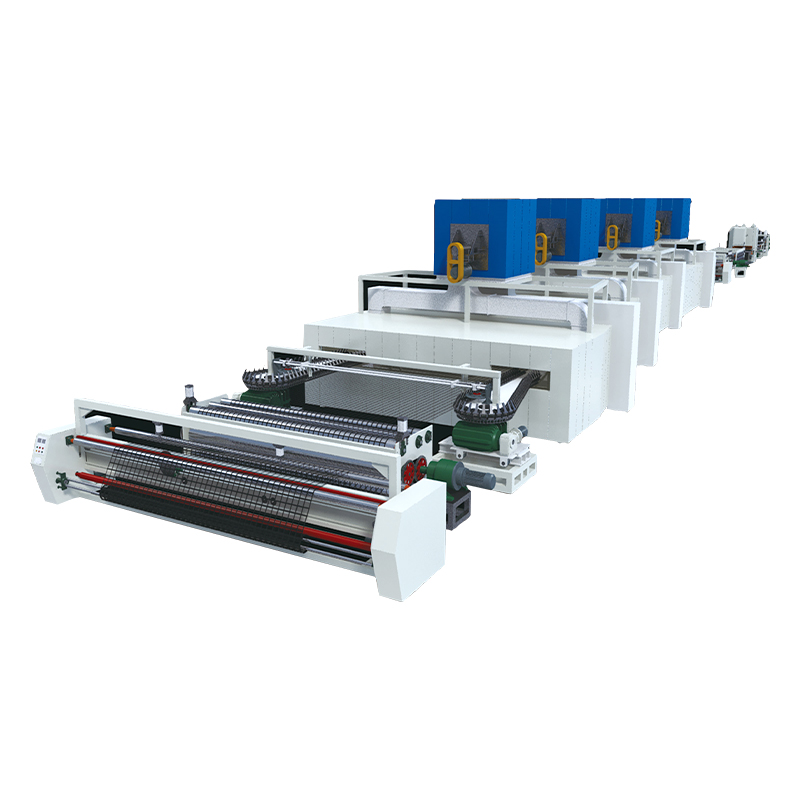
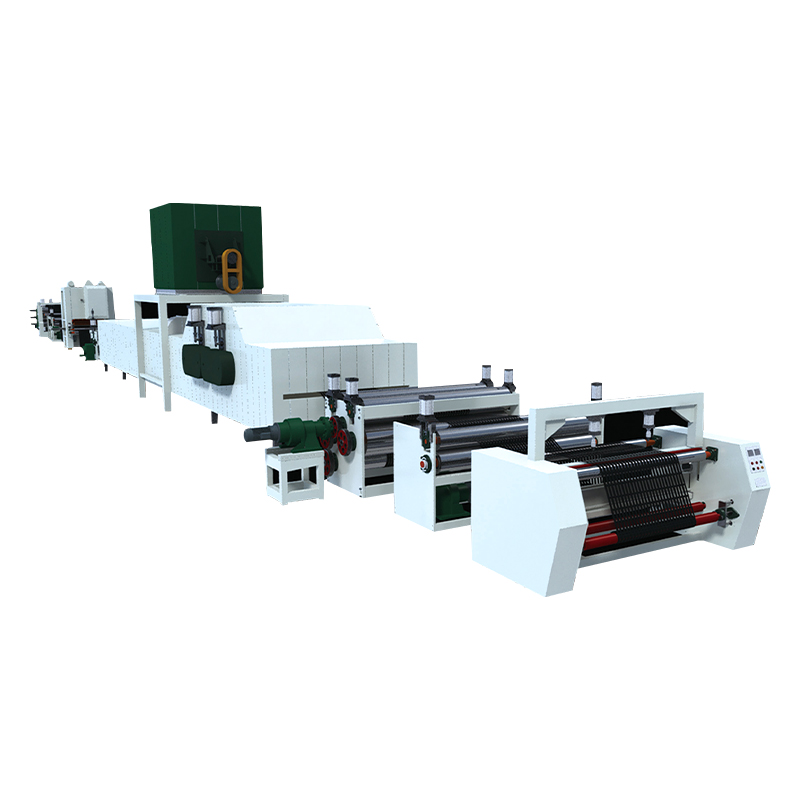
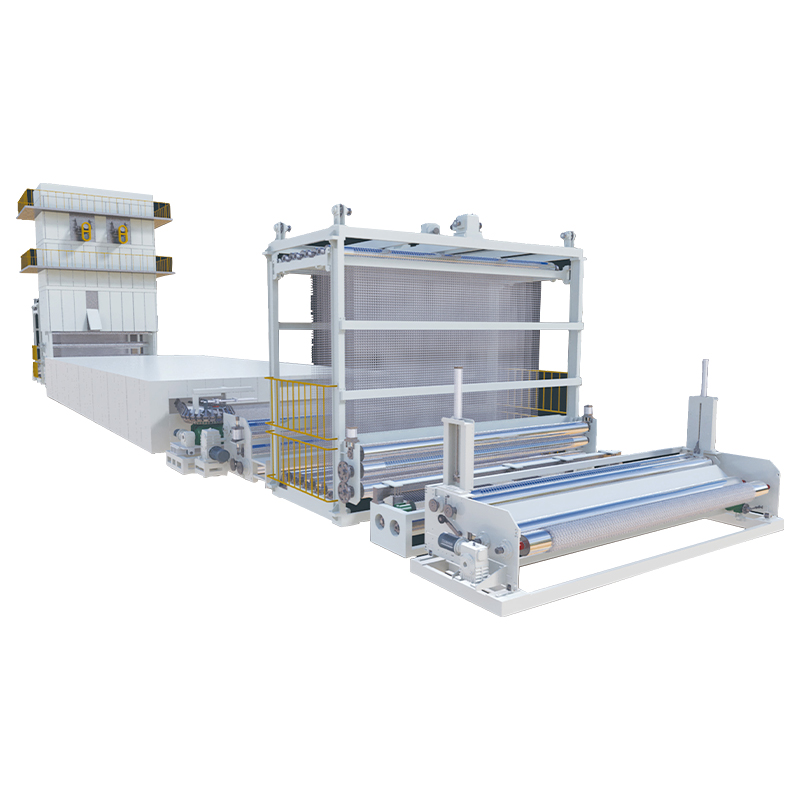
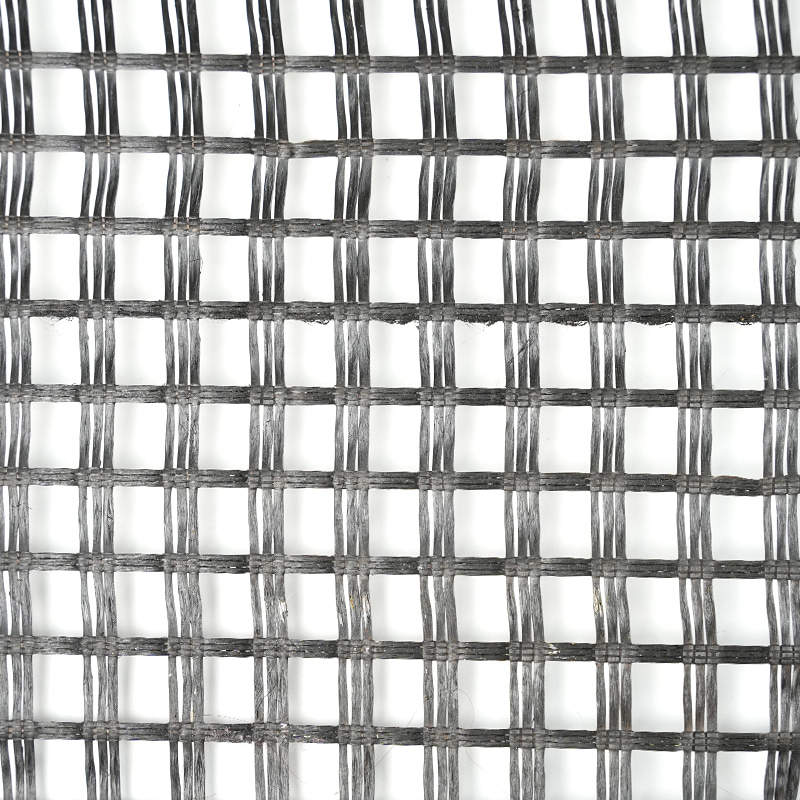
Jiangsu Saide Machinery designs, builds, and exports a full range of geogrid equipment, from bidirectional and unidirectional stretching lines to fiberglass dipping equipment and finished geosynthetic products.
Geocell and Composite Non-Woven Lines: Complementary Equipment
Geogrid, geocell, and non-woven composite lines share raw materials and customers but solve different engineering problems, which is why many geogrid manufacturer factories add them as a second or third production line rather than starting with them.
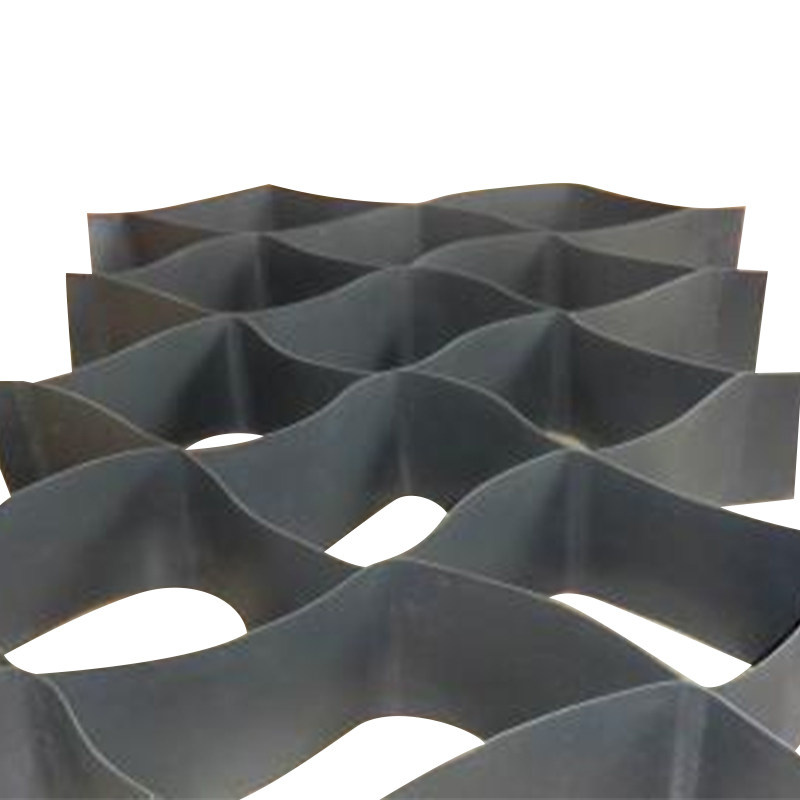
Geocell Welding Line
Strips of HDPE sheet are ultrasonically welded into a honeycomb structure that expands into a three-dimensional cell wall on site, then is filled with soil, gravel, or concrete to confine loose fill and raise bearing capacity.
Plastic Geogrid Composite Non-Woven Production Line
This type of line laminates a stretched geogrid with a non-woven geotextile layer, combining the geogrid's tensile reinforcement with the non-woven fabric's filtration and separation function in a single roll, which reduces installation steps on site.
Why Buyers Add These Lines Later
Composite and geocell equipment usually depend on a steady supply of base geogrid or non-woven fabric, so factories commonly commission a bidirectional or unidirectional geogrid production line first and expand into composite and geocell output once demand for combined products grows.
Output Capacity Across Production Line Scales
Line width, stretch ratio, and automation level all affect daily output. The chart below shows a typical progression from an entry-level line to a heavy-duty line.
Output figures vary by product width and aperture design; treat them as planning references when comparing quotations from a geogrid equipment supplier.
How to Evaluate a Geogrid Manufacturer Before Signing a Contract
Price alone rarely predicts how a geogrid equipment line will perform after installation. The items below cover the questions that matter most once a machine reaches a buyer's factory.
| Evaluation Item | What to Verify | Why It Matters |
| Manufacturing history | Years in business, factory floor size, in-house engineering team | Predicts spare-parts support and long-term reliability |
| Certification | ISO quality management certification, relevant patents | Confirms a documented, repeatable manufacturing process |
| Raw material compatibility | Confirmed support for PP, PE, fiberglass, or recycled resin | Wrong material compatibility leads to output quality problems |
| Installation and training | On-site commissioning and operator training included | Shortens the time between delivery and stable production |
| After-sales support | Response time for spare parts and remote technical support | Keeps downtime and export logistics costs under control |
Key Takeaways for Buyers and Investors
Matching the equipment to the target market is the single decision that shapes everything downstream, from raw material sourcing to which projects a geogrid manufacturer can bid on.