中文简体
中文简体 русский
 عربى
عربى

Content
- 1 Why Quality Control Matters on a Fiberglass Geogrid Dipping Line
- 2 Coating Thickness Control and Measurement
- 3 Adhesion Strength Testing Between Coating and Fiberglass Substrate
- 4 Tensile Testing and Mechanical Property Verification
- 5 Related Geosynthetics Production Equipment
- 6 Process Parameters That Directly Influence Test Results
- 7 Raw Material Verification Before Dipping
- 8 Documentation and Traceability
- 9 Summary
A production line for dipping of fiberglass chemical fiber geogrid typically includes three core quality control and testing systems: online coating thickness monitoring, adhesion (peel) strength testing, and tensile property verification, supported by dimensional inspection and visual defect scanning at each processing stage. These systems work together to confirm that every roll of fiberglass geogrid leaving the line meets the strength, durability, and dimensional tolerances required for pavement reinforcement and geotechnical projects.
Why Quality Control Matters on a Fiberglass Geogrid Dipping Line
Fiberglass geogrid gains its rupture strength and chemical resistance primarily during the dipping and coating stage, where a bitumen or polymer-modified coating is applied over the knitted glass fiber grid. If the coating is too thin, the fiberglass yarns remain exposed and vulnerable to abrasion and moisture. If it is too thick, the product becomes stiff, brittle, and wasteful of raw material. A reliable geogrid manufacturer therefore builds quality checkpoints directly into the equipment layout rather than relying only on final inspection, so that deviations are caught while the material is still on the line.
Coating Thickness Control and Measurement
Coating thickness is controlled through a combination of mechanical metering and post-process measurement. On most production lines for dipping of fiberglass chemical fiber geogrid, the dipping tank uses adjustable squeeze rollers or scraper blades to set the wet-film thickness before the material enters the pre-drying oven. Once cured, thickness is verified using handheld or fixed micrometers and, on higher-output lines, non-contact laser or ultrasonic thickness gauges positioned after the stereotype oven.
- Typical dry coating thickness for fiberglass geogrid ranges between 0.2 mm and 0.5 mm, depending on the intended application and coating formulation.
- Thickness sampling is usually taken at fixed intervals across the roll width to detect uneven coating caused by roller wear or tank temperature drift.
- Any reading outside the tolerance band (commonly plus or minus 0.05 mm) triggers an adjustment of dipping speed, tank viscosity, or roller gap before the next batch is processed.
Adhesion Strength Testing Between Coating and Fiberglass Substrate
Adhesion strength determines whether the coating will remain bonded to the glass fiber yarns under repeated flexing, temperature cycling, and moisture exposure. Testing is generally performed using peel tests, where a section of coating is mechanically separated from the substrate at a controlled angle and speed, with the resistance force recorded in newtons per centimeter of width.
Facilities that specialize in Fiberglass Geogrid equipment often integrate adhesion sampling stations directly after the stenter stereotype oven, since this is the point where the coating has fully cured and the true bond strength can be assessed. Samples that fail minimum adhesion thresholds usually indicate insufficient dipping temperature, incompatible coating chemistry, or contamination on the fiberglass surface prior to dipping.
Tensile Testing and Mechanical Property Verification
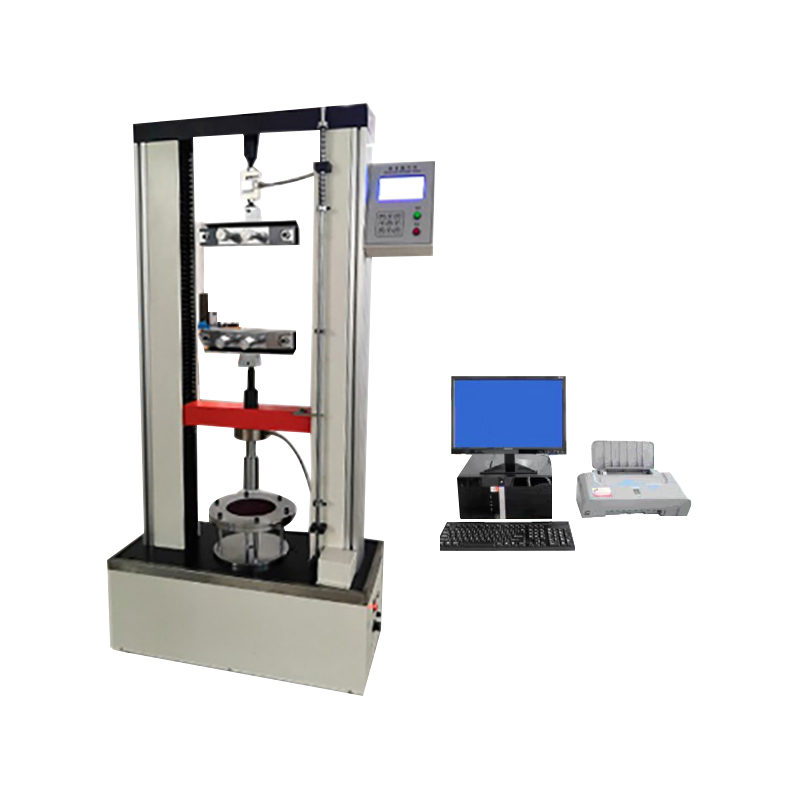
Tensile testing is the most critical mechanical check for finished fiberglass geogrid, since the product's primary function is reinforcement under load. A geotextile strength machine or wide-width tensile tester is used to measure breaking strength, elongation at break, and load-strain behavior in both the longitudinal and transverse directions of the grid.
| Test Parameter | Common Method | Typical Reference Range |
| Coating thickness | Laser or micrometer gauge | 0.2 mm to 0.5 mm |
| Adhesion (peel) strength | Peel test at fixed angle | Above 1.5 N per cm width |
| Tensile strength | Wide-width tensile machine | 30 kN/m to 150 kN/m |
| Elongation at break | Extensometer during tensile test | Below 3 percent |
| Mesh dimensional accuracy | Optical scanning or manual caliper | Within 2 mm of nominal aperture |
Low elongation combined with high tensile strength is particularly valued in fiberglass geogrid because it means the material resists stretching under load, which directly reduces reflective cracking in asphalt overlays.
Related Geosynthetics Production Equipment
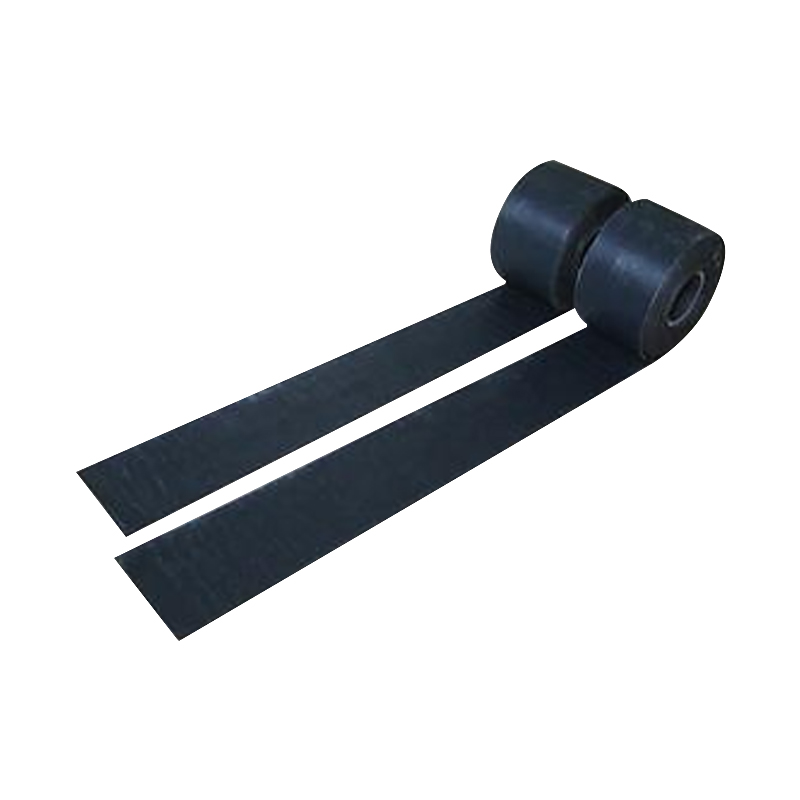
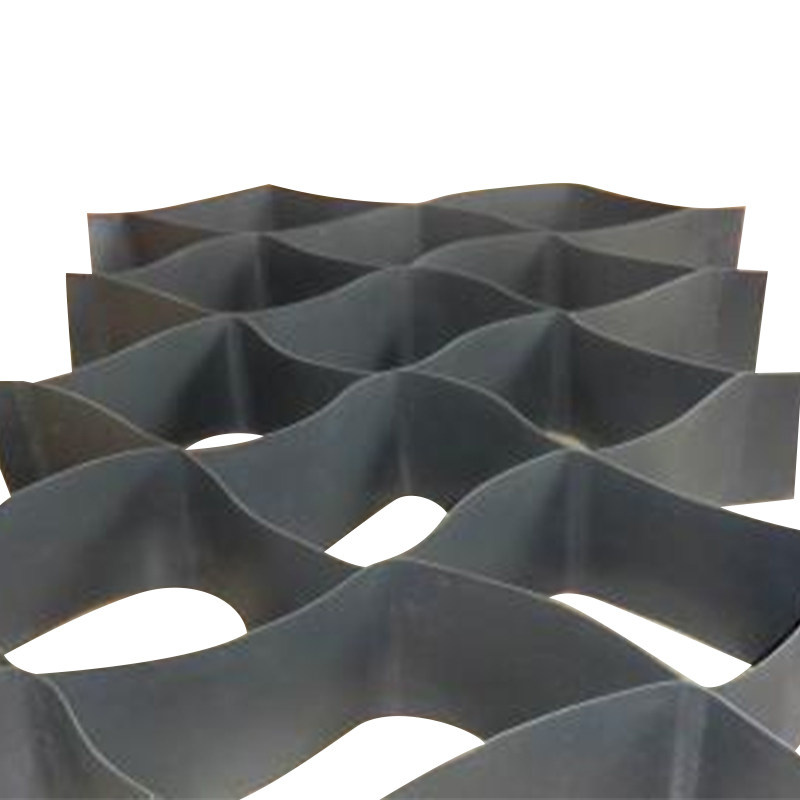
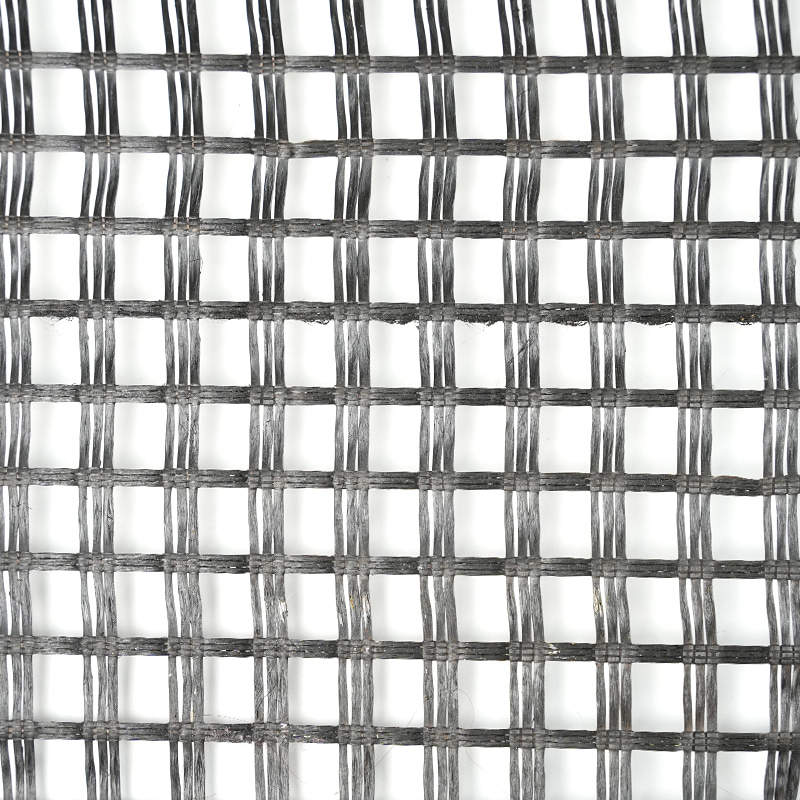
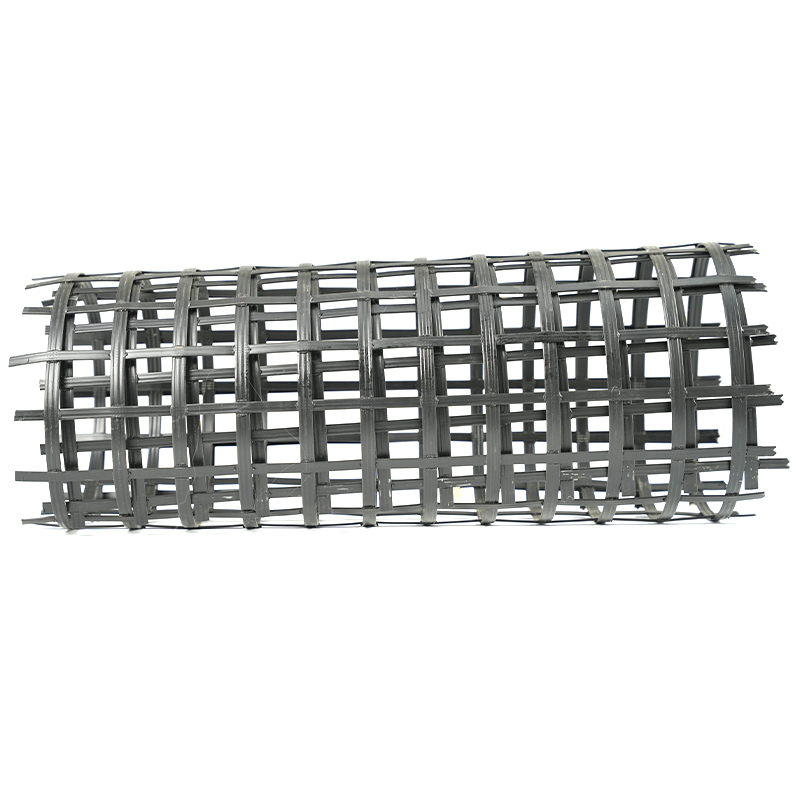
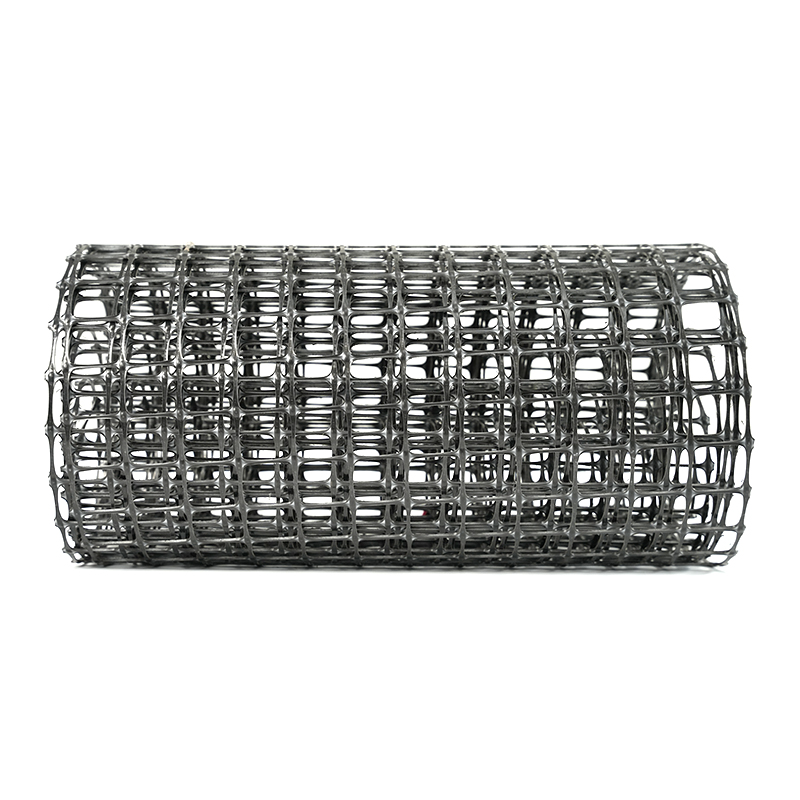
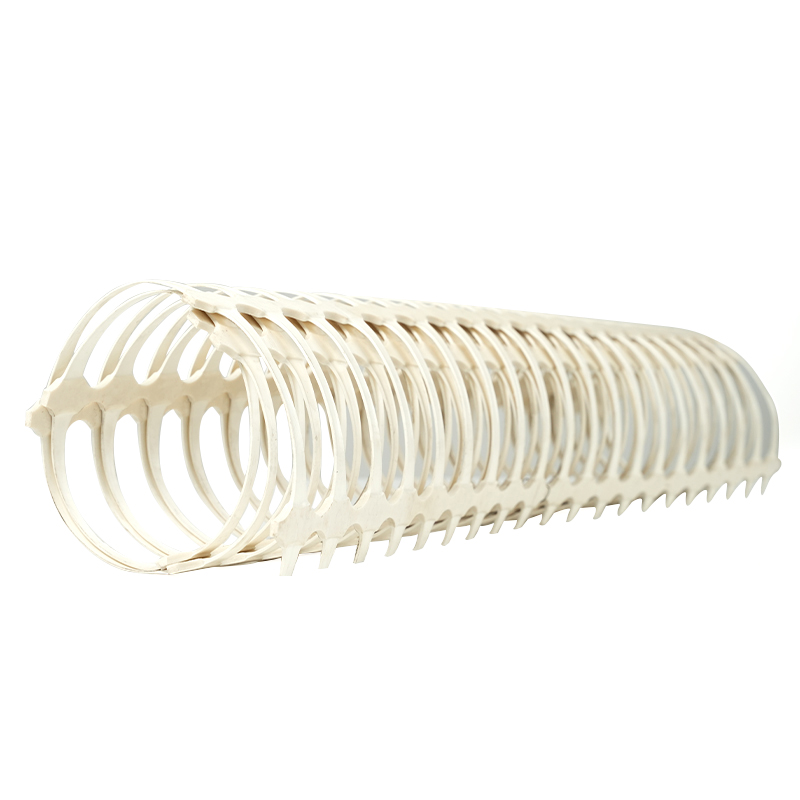
Quality-focused manufacturers typically operate several complementary production lines alongside the fiberglass dipping system, covering both fiberglass and plastic geogrid types, so that testing standards and process discipline are shared across the product range.
Product Range for Geogrid Manufacturing and Testing
Below is a selection of related geogrid equipment and materials produced under the same quality management framework.
Process Parameters That Directly Influence Test Results
Coating thickness, adhesion, and tensile results are not isolated readings, they are outcomes of upstream process settings. The main variables that operators adjust when test results drift outside tolerance include:
- Dipping solution viscosity and solid content, which control how much coating material adheres to the fiberglass yarn during immersion.
- Pre-drying oven temperature and dwell time, which affect whether the coating cures evenly before entering the stenter stereotype oven.
- Independent left and right rail speed control in the stereotype oven, which prevents pre-arc and post-arc distortion so the longitudinal and transverse yarns remain straight.
- Line speed and tension on the storage rack, which must stay consistent to avoid localized thinning or over-stretching of the grid.
Raw Material Verification Before Dipping
Testing does not begin only after coating, it starts with incoming inspection of the knitted fiberglass grid. Yarn tensile strength, alkali resistance, and grid uniformity are checked before the material is loaded into the unwinding device. This step matters as much for a PP PE Geogrid production line or a Plastic geogrid composite non-woven production line as it does for fiberglass geogrid, since inconsistent raw material will produce unreliable test results regardless of how well the dipping process is controlled.
Documentation and Traceability
Each quality checkpoint is typically logged against the production batch, roll number, and shift, so that any customer complaint or field failure can be traced back to specific process data. This traceability record generally includes:
- Batch identification and dipping tank formulation record
- Coating thickness readings at set intervals along the roll
- Adhesion peel test results and pass or fail status
- Tensile strength and elongation data in both directions
- Final visual inspection notes for surface defects or delamination
Summary
A well-equipped production line for dipping of fiberglass chemical fiber geogrid combines mechanical process control with dedicated testing stations for coating thickness, adhesion strength, and tensile performance. Manufacturers that also produce Geocell, bidirectional, and unidirectional geogrid equipment under the same quality system tend to apply consistent testing discipline across their full product range, which is a practical indicator of reliability when evaluating a Geogrid manufacturer for equipment or finished geogrid supply.