中文简体
中文简体 русский
 عربى
عربى

Content
Industrial shredders are built to reduce a wide range of bulky, tough, or mixed waste streams into uniform, manageable pieces. In short, a properly configured industrial shredder can process rubber and tires, metal drums and scrap metal, plastics of nearly every form, wood and paper waste, electronic appliances, glass products, and even certain hazardous or medical waste categories. The exact material range depends on the rotor design, blade material, and torque output of the machine, so matching the shredder to your specific waste type is the first step toward reliable, high-volume processing.
Material Categories Industrial Shredders Can Handle
Modern industrial shredders rely on two wear-resistant rotor rollers that rotate toward each other, forming a V-shaped crushing cavity. As material enters this cavity, the shear force generated by the rollers tears and cuts it down to a target particle size before discharge. Because this shearing action works on both soft and rigid materials, shredders are used across nearly every waste recovery sector. The table below breaks down the primary categories and typical examples within each.
| Material Category | Typical Examples |
|---|---|
| Vehicle and automotive parts | Waste tyres, wheel hubs, oil filters, engine shells, scrap steel plates under 10mm, iron forklift pallets |
| Drums and containers | Plastic drums, metal drums, paint drums, IBC totes, storage bins, packaging drums |
| Metal products | Aluminium profiles, cans, scrap aluminium skin, iron sheets, copper sheets, mixed scrap metal |
| General waste streams | Domestic waste, kitchen waste, industrial waste, garden and green waste |
| Plastic products | Plastic pipes and fittings, bottles, crates, film rolls, woven bags, plastic blocks |
| Wood and paper | Tree branches, stumps, building formwork, wood blocks, newspaper, cardboard, corrugated paper |
| Electronic and electrical waste | Refrigerator shells, circuit boards, computer housings, CDs, TV sets, washing machines |
| Glass materials | Glass wool, glass cups, fibreglass-reinforced products |
| Medical and clinical waste | Small medical devices, syringe-type waste, latex materials, clinical and pharmaceutical waste |
| Hazardous materials | Solid hazardous waste, drums with residual pollutants, liquid-solid mixed waste, industrial sludge |
How Rotor and Blade Design Match Different Materials
Not every shredder configuration performs equally well across all ten categories above. The blades themselves are typically forged from special alloy steel, such as high-speed steel or tool steel, giving them wear resistance and repairability after heavy use. The tooth thickness, tooth shape, and arrangement order of the cutting rollers are engineered around the target material, which is why manufacturers offer different tooth geometries for fibrous waste like tires versus rigid waste like metal drums.
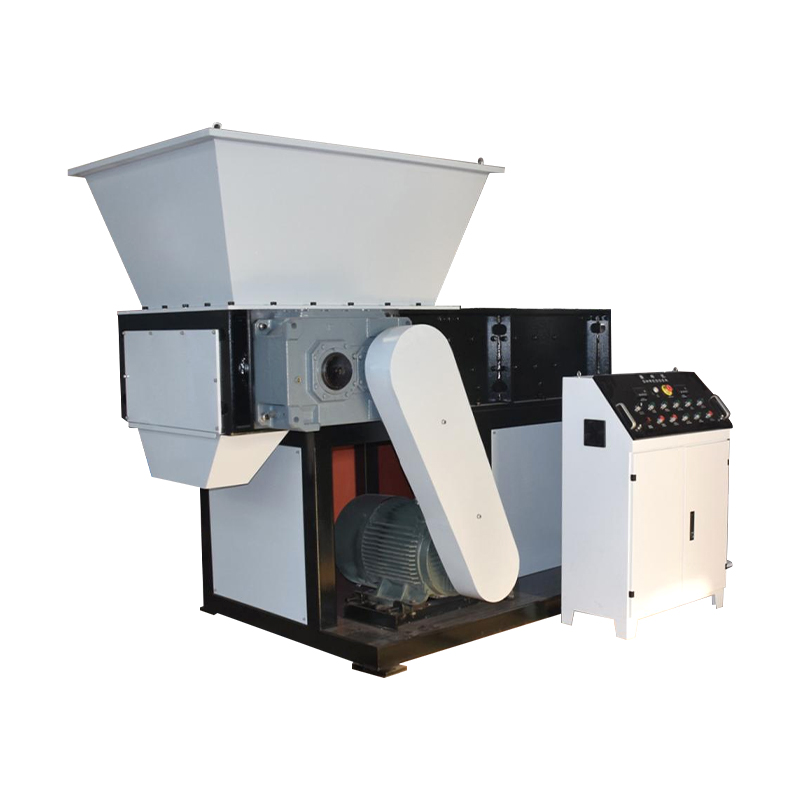
The drive system also plays a direct role in material compatibility. Heavy-duty planetary gear reducers deliver low rotation speed paired with high torque, which allows the rotating shaft, often built with a large-angle hexagonal column, to pull oversized or dense raw material into the cutting chamber without stalling. This combination of low speed and high torque is what enables a single shredder line to move from shredding cardboard one day to processing scrap steel plate the next, provided the blade set is matched correctly.
Recycling Equipment Built for Mixed Waste Streams
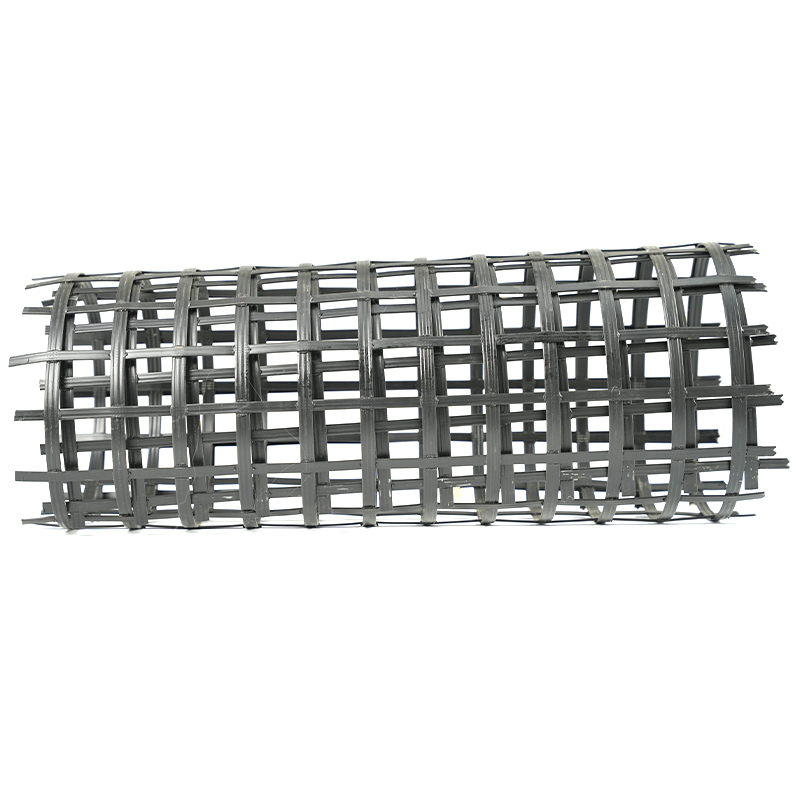
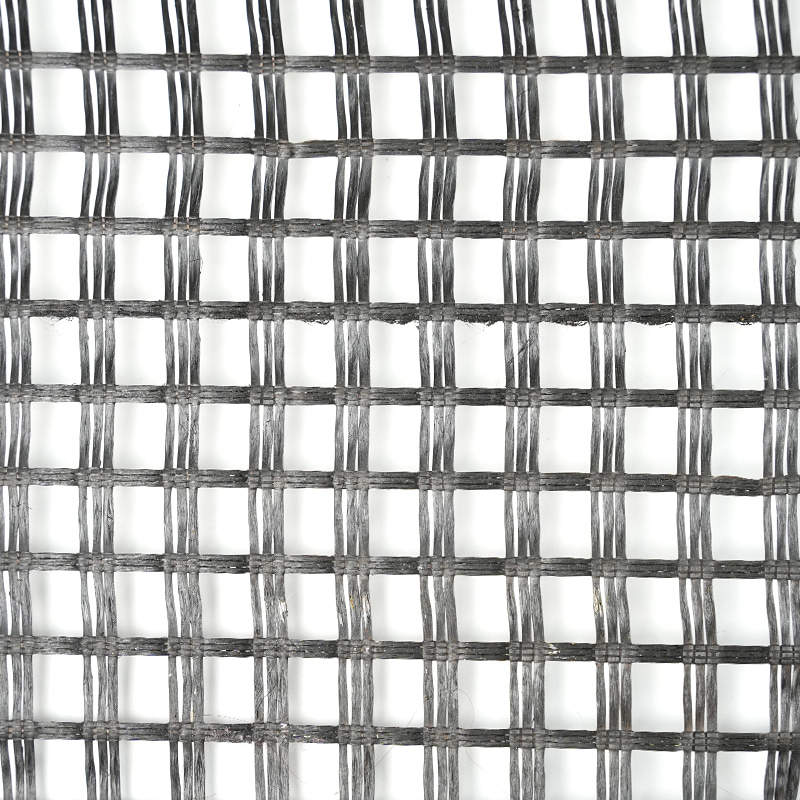
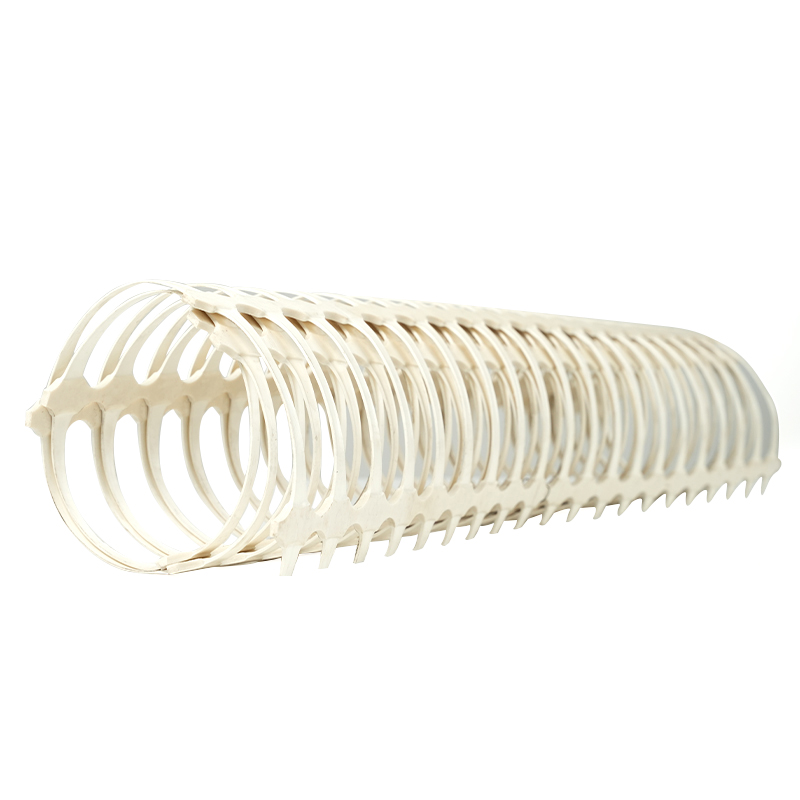
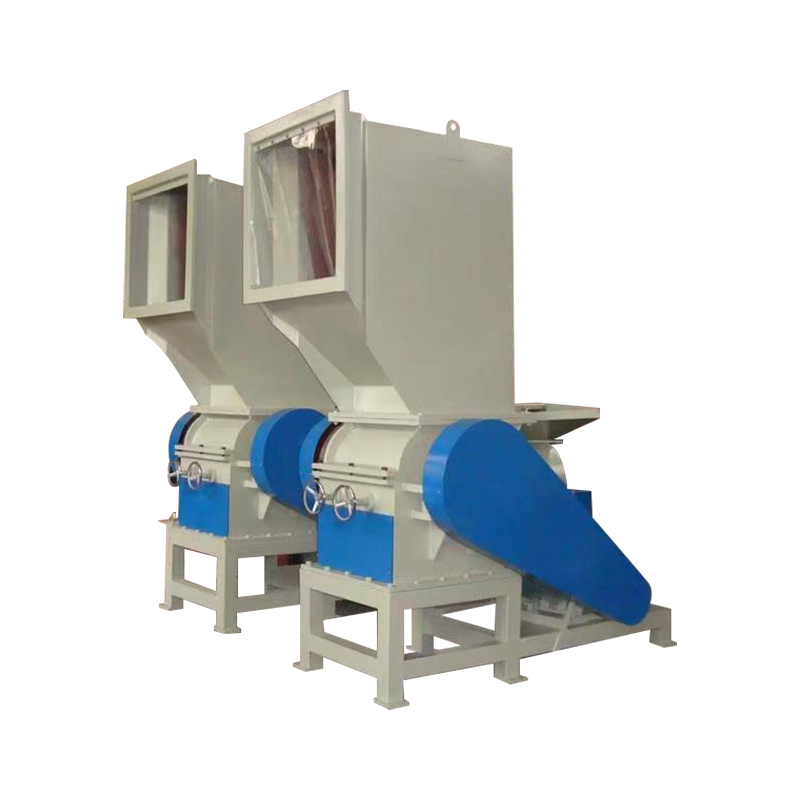
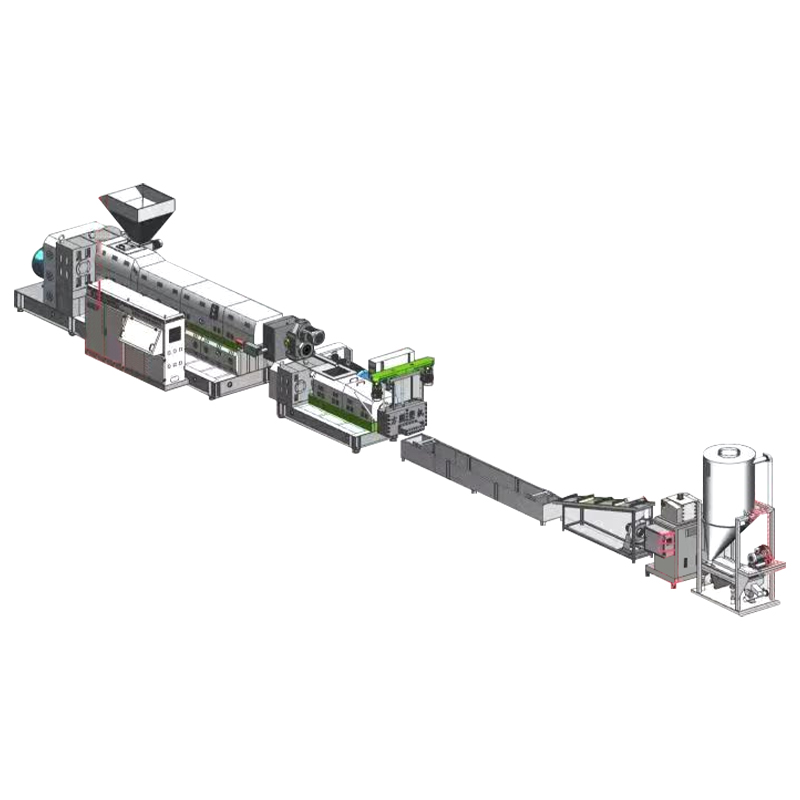
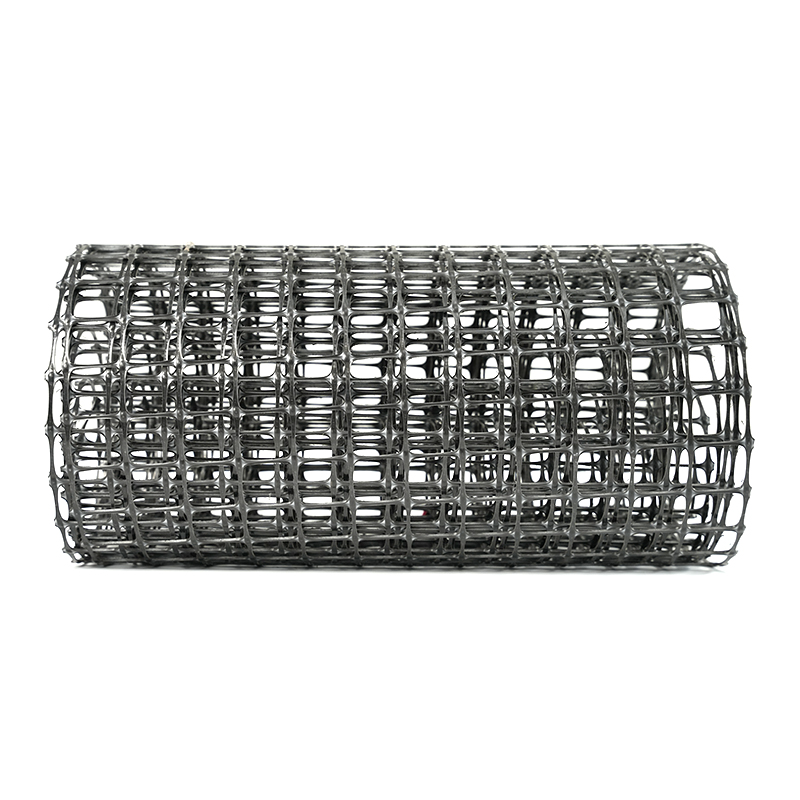
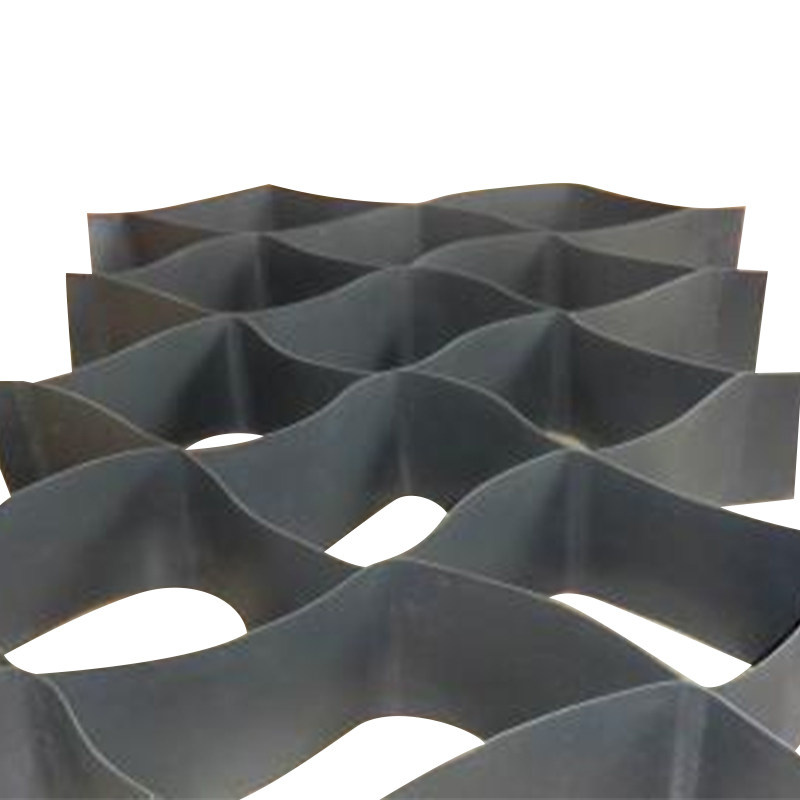
Beyond the shredder itself, a complete recycling line often pairs shredding with crushing, granulating, and material-specific reinforcement production. The equipment below covers the most common stages of waste processing and plastic geogrid manufacturing.
Key Factors That Determine Shredding Capacity by Material
Once a shredder is matched to a material category, throughput still varies based on several operating conditions. Understanding these factors helps set realistic capacity expectations for each waste stream.
- Material density and size: Softer materials such as paper or cardboard shred faster than dense materials like metal plate or hardwood, so throughput figures should always be quoted per material type, not as a single universal number.
- Feed mechanism: Manual feeding limits throughput to operator speed, while automatic or continuous feed systems keep the cutting chamber supplied without gaps, raising overall output.
- Shaft configuration: Single-shaft rotors generally move bulky material faster, while dual-shaft or quad-shaft designs sacrifice some speed for finer, more uniform particle output.
- Cutting chamber size: A wider chamber accepts larger batches per cycle, reducing the number of loading interruptions during continuous operation.
- Pre-processing: Sorting materials, removing contaminants, and pre-baling bulky waste before it reaches the shredder noticeably reduces downtime and blade wear.
- Maintenance schedule: Regular blade sharpening, lubrication, and gearbox checks keep shear force consistent across mixed material batches.
Choosing a Shredder for a Specific Waste Stream
Facilities that process a single, consistent material, such as scrap tires or cardboard, can generally run a simpler single-shaft configuration with standard tooth spacing. Facilities that handle mixed municipal or industrial waste, where drums, metal fragments, and plastics arrive in the same batch, benefit more from dual-shaft designs with reinforced alloy blades and hexagonal drive shafts capable of pulling irregular shapes into the cutting cavity without jamming.
For hazardous or medical waste categories, additional considerations apply, including sealed feed hoppers and controlled discharge systems to manage residue safely. Matching blade hardness, torque output, and chamber size to the densest material expected in a batch is the most reliable way to avoid downtime, regardless of how varied the overall waste stream becomes.