中文简体
中文简体 русский
 عربى
عربى

Content
- 1 The Short Answer: Treat Output as a System, Not a Speed Setting
- 2 First, Calculate Your Real Output and Find the Bottleneck
- 3 Stabilize Raw Materials Before Adjusting the Machine
- 4 Set Process Parameters Like an Operator, Not a Technician
- 5 Choose Equipment That Removes Hidden Constraints
- 6 Plan Maintenance Around Stops You Can Predict
- 7 Operator Training and Changeover Discipline
- 8 Common Mistakes That Limit Output
- 9 A Practical Sequence for Increasing Output
- 10 Frequently Asked Questions
The Short Answer: Treat Output as a System, Not a Speed Setting
If your goal is to increase geogrid production line output, the fastest reliable gains usually do not come from turning the line speed up. In our work with geogrid plants, output rises between 10 and 20 percent when operators focus on material consistency, process stability, maintenance scheduling, and changeover discipline before they touch the speed set point. A geogrid line is a system: speed multiplied by uptime, yield, and quality. Increase one variable while another drops, and net output stays the same.
Use a simple formula to keep everyone aligned:
Net good output = design line speed x uptime % x first-pass yield % x quality acceptance %
This first principle matters because many plants measure only meters per hour. That number can look healthy while scrap, rework, and long restart losses hide behind it. In the sections below, we explain what to measure, which controls to adjust, and where to spend money for the biggest returns.
First, Calculate Your Real Output and Find the Bottleneck
Before making changes, calculate current actual output. Use a seven-day average rather than one good shift. If possible, track the line for all three shifts, including breaks and changeovers.
| Metric | How to measure | Why it matters |
|---|---|---|
| Design line speed | Manufacturer rating at a defined product spec | Sets the target for planning |
| Actual line speed | Average meters per hour across a full shift | Reveals the real speed, not the ideal speed |
| Uptime | Running time divided by scheduled time | Shows losses from stops, jams, and repairs |
| First-pass yield | Good output divided by total output | Shows scrap and rework hidden in production |
| OEE | Availability x performance x quality | Gives one number to track overall efficiency |
You will usually find one dominant bottleneck: extruder output, stretching oven capacity, cooling section, winder, or haul-off. Fix that constraint first. After you improve it, another part of the line will become the next limit. That is normal. The goal is to keep shifting the bottleneck further downstream.
Stabilize Raw Materials Before Adjusting the Machine
Raw material variability is the number one cause of unexpected speed reductions in geogrid extrusion and stretching. Incoming polypropylene (PP) or polyethylene (PE) resin with a different melt flow index (MFI) changes the draw behavior. High moisture content causes steam in the extruder, leading to voids and strand breaks. Contamination changes the melt viscosity and can block filters. Each of these small problems forces operators to slow down the line to maintain product quality.
Based on our experience, the following improvement levers produce measurable gains:
These figures are not a guarantee; they simply illustrate the type of gain plants can achieve when raw material variation stops forcing operators to slow down.
Set Process Parameters Like an Operator, Not a Technician
Once the material is uniform, examine the process window. The extruder temperature profile, die temperature, quench tank temperature, stretch oven temperature, draw ratio, and winder tension all interact. For a uniaxial line, a temperature drift of more than +/-3 degrees Celsius in the stretching oven often leads to uneven elongation and periodic breakage. For biaxial lines, the longitudinal and transverse stretching sections need coordinated tension; if one section runs too fast, the sheet necks down and yield drops.
Use a standard process sheet for each product code. During a production run, do not change the process to solve a temporary material problem unless you have recorded the reason. Otherwise, the next shift may not know which variables are actually under control.
Choose Equipment That Removes Hidden Constraints
Even with stable material and process settings, the line itself can limit output. Gearbox torque, extruder screw design, heating roller uniformity, draw-frame stiffness, and control responsiveness all determine how fast you can run without quality loss. A machine with weak heating zones forces you to reduce speed to avoid thickness variations. A winder with poor tension control creates telescoping rolls, and the line stops while you rework them.
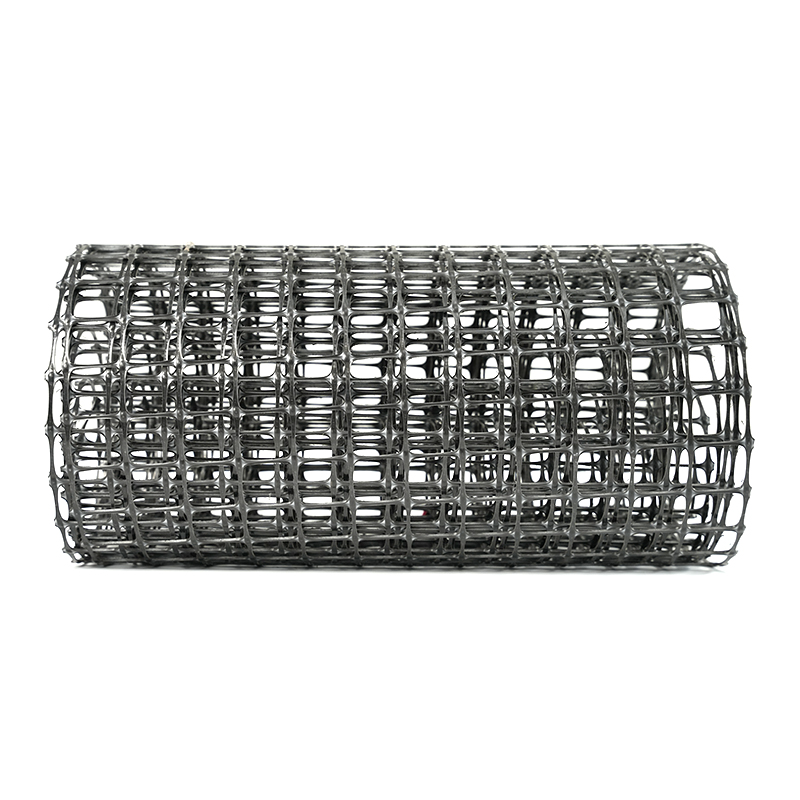
For plants running biaxial products, the configuration of the bidirectional geogrid production line should be matched to the target mesh size and sheet width. A line with servo-driven stretcher controls and independent heating zones allows you to increase output without chasing tension variations at high speed.
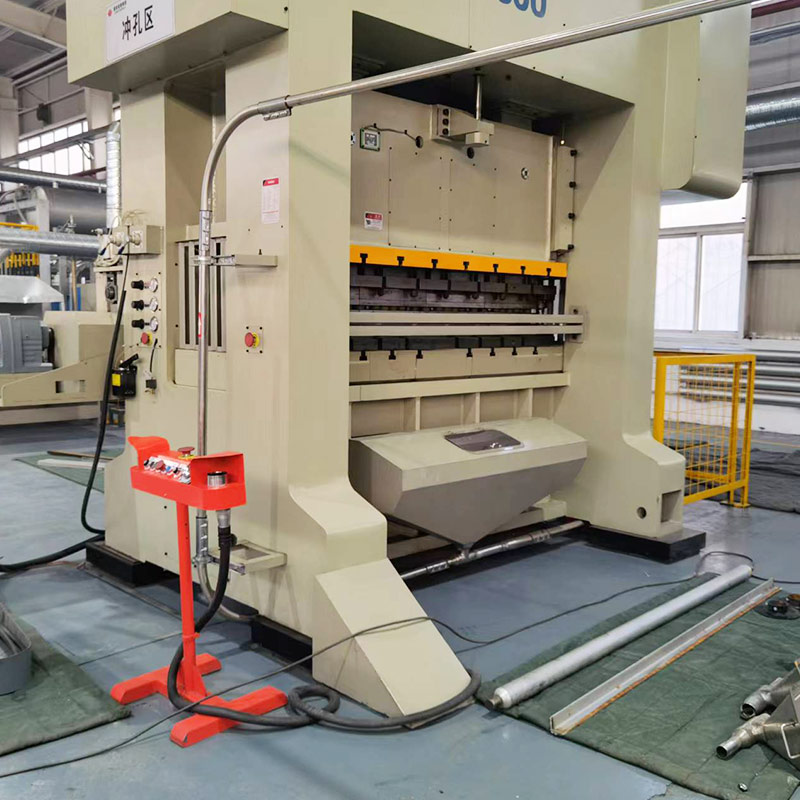 Bidirectional PP PE Geogrid Production Line ManufacturerJiangsu Saide is a China bidirectional plastic geogrid equipment manufacturer and PP PE geogrid production line supplier, specializing in...View Product →
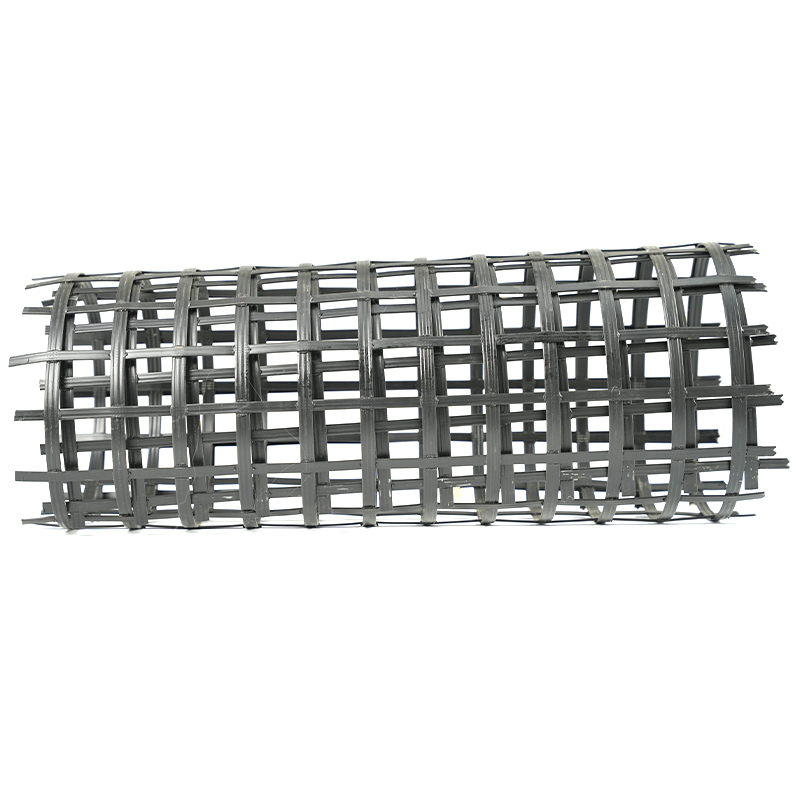
For uniaxial geogrid, the uniaxial tensile geogrid production line needs to balance cooling capacity, stretching frame speed, and embossing pressure. When these sections are balanced, the line can run near rated speed with at least the same elongation performance.
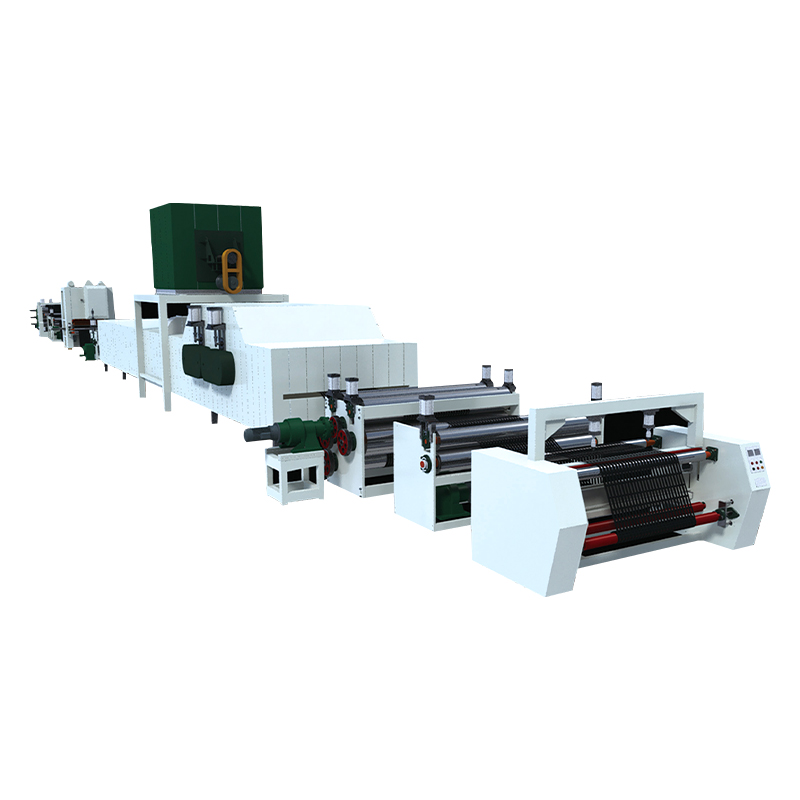 Unidirectional Plastic Geogrid Equipment Manufacturer, SuppliersJiangsu Saide Machinery Co., Ltd is a China unidirectional plastic geogrid equipment manufacturer and production line of uniaxial tensile...View Product →
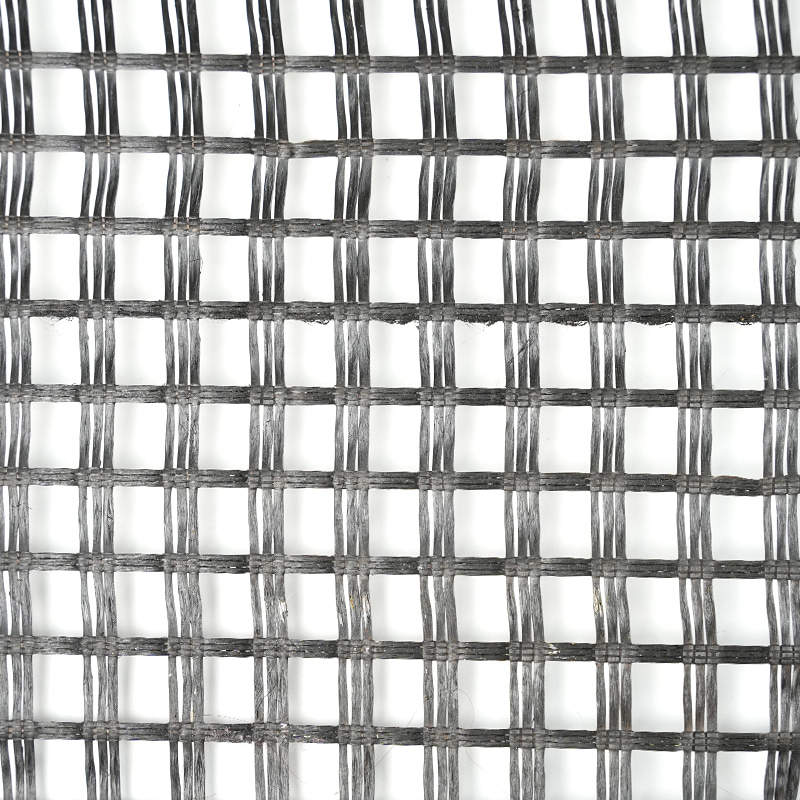
For fiberglass or chemical fiber geogrid, the fiberglass geogrid dipping production line is often the bottleneck. Oven temperature, dip solution viscosity, and tension between unwinder and winder all affect speed. A line with precise oven control and low-tension winders reduces stops caused by wrinkles and broken filaments.
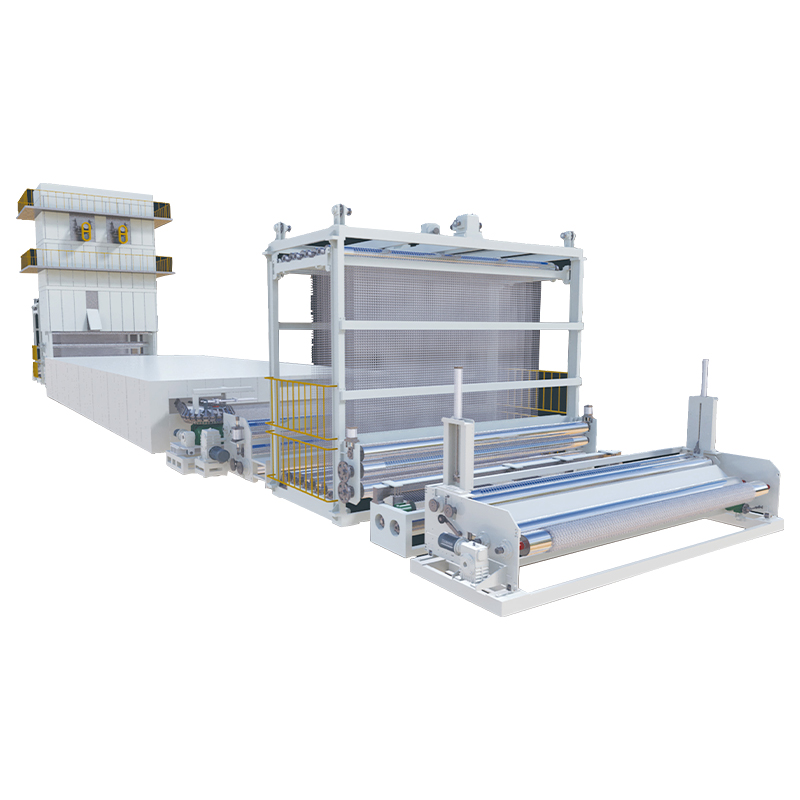 Custom Fiberglass Geogrid Equipment Manufacturer, SuppliersJiangsu Saide Machinery Co., Ltd is a China fiberglass geogrid equipment manufacturer and supplier, specializing in custom production lin...View Product →
Plan Maintenance Around Stops You Can Predict
Uptime is the second half of output. Many geogrid plants lose 10 to 15 percent of available time to unplanned repairs and repeated cleaning. A simple maintenance plan based on operating hours, not calendar days, prevents most of these losses.
- Clean and inspect the die and extruder screw every 500 to 800 operating hours, depending on resin type.
- Check heater bands and thermocouples during every shift change.
- Grease and align the stretching frame and haul-off rolls weekly.
- Replace worn cutting blades before they start producing fuzzy edges.
- Keep spare fuses, thermocouples, and heater bands on site for immediate replacement.
One useful habit is to review the previous four weeks of stop reasons every Monday. The pattern will tell you which parts fail most often. Use that list to create a preventive maintenance schedule and stock critical spares.
Operator Training and Changeover Discipline
Operators make or break any output improvement plan. A well-trained operator reads the sheet or strand, hears an unusual sound from the gearbox, and corrects a small tension issue before it becomes a stop. In contrast, a new operator often solves a quality problem by reducing line speed, which lowers output immediately.
Create one-page start-up, running, and shutdown checklists for each product. Train all shifts to follow the same sequence. When changing from one geogrid specification to another, use a formal changeover procedure. Reducing changeover time from 90 minutes to 45 minutes on a line running two shifts adds valuable production time without any speed increase.
If your team is new to a process, it is worth investing in formal training. For example, understanding the process flow of a geogrid production line helps operators see why each parameter matters and reduces the temptation to change settings randomly.
When purchasing new equipment, ask for operator training and installation support as part of the delivery package.
Common Mistakes That Limit Output
These are the recurring mistakes we see when plants try to increase output:
- Raising line speed before raw material and temperature are stable.
- Ignoring restart losses. A stopped line costs more than a line running 5 percent slower.
- Letting each shift use its own process settings.
- Waiting for a complete failure before replacing a worn part.
- Measuring only output, not quality and uptime.
A Practical Sequence for Increasing Output
Follow this sequence to avoid wasting time and money:
- Measure current net output and OEE for seven days.
- Stabilize raw material quality and document incoming resin tests.
- Lock process parameters for each product code.
- Add preventive maintenance based on stop reasons.
- Train operators and standardize changeover.
- Upgrade equipment only after operational losses are removed.
This sequence works for both uniaxial and biaxial geogrid plants because it treats the line as a system.
Frequently Asked Questions
How fast can a geogrid production line run?
Design speed depends on product type, width, and output specification. A typical line can run many meters per hour, but actual useful speed is the speed at which the product still meets tensile strength, elongation, and dimensional tolerances. Running faster than the process window creates scrap and lowers net output.
Do I need a new machine to increase output?
Not necessarily. First improve raw material consistency, process controls, maintenance, and operator training. Those actions can add 10 to 20 percent output. When you have removed those losses, only then compare your required output with the line's rated capacity. If capacity still falls short, a new line or a higher-spec second line may be justified.
How does product specification affect line output?
Heavier geogrids and tighter tolerances require lower line speed. When planning output increase, use product mix and average running speed over a week, not the fastest grade. This avoids overestimating capacity.
What is OEE for a geogrid production line?
OEE stands for overall equipment effectiveness. It multiplies availability by performance by quality. For example, 90 percent availability, 85 percent performance, and 95 percent quality gives an OEE of 72.7 percent. Tracking OEE is a practical way to see whether your output improvement actions are working.