中文简体
中文简体 русский
 عربى
عربى

Content
- 1 Core Process Breakdown: Full-Chain Control from Substrate to Finished Product
- 2 Quantified Impact of Key Process Parameters on Product Quality
- 3 Automation and Intelligent Upgrades: Key Pathways to Boosting Efficiency and Stability
- 4 Application Fields and Engineering Benefits: Real-World Value of Dipped Geogrids
- 5 Selection and Deployment Recommendations: Matching Production Line Configuration to Actual Needs
- 6 Industry Outlook: Future Evolution of Dipping Production Line Technology
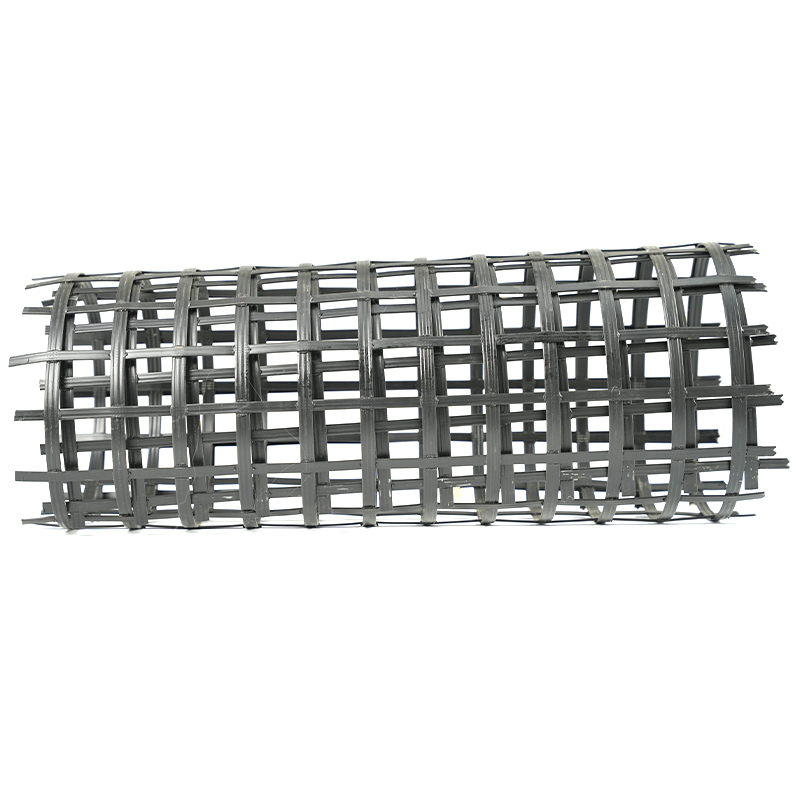
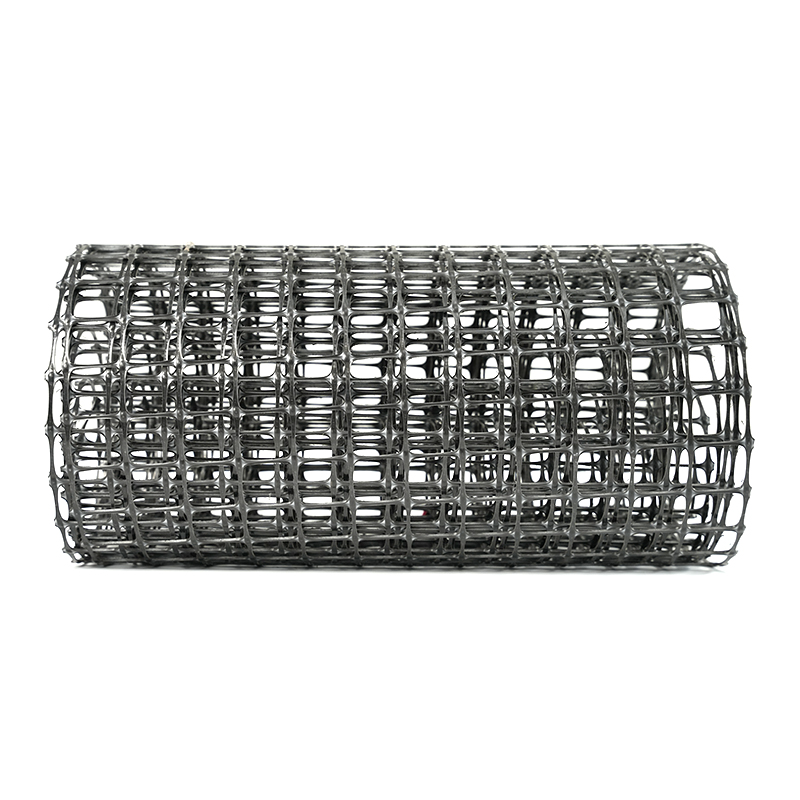
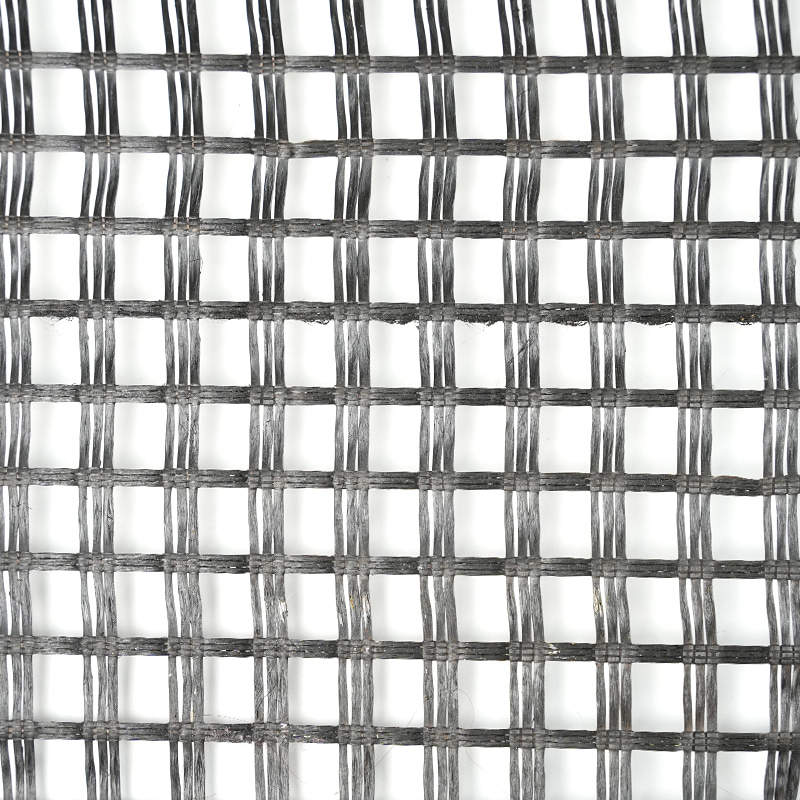
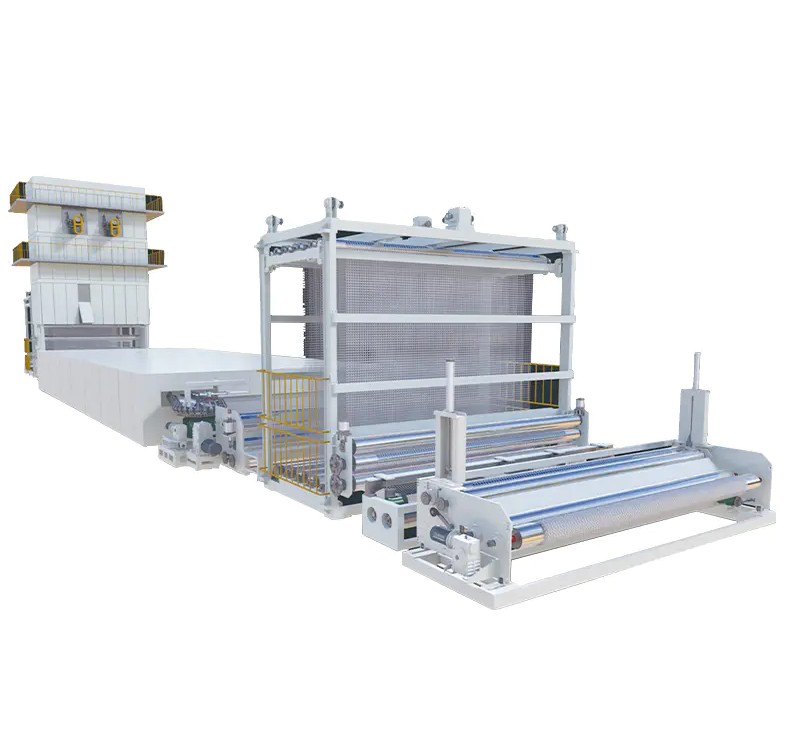
The production line for dipping of fiberglass (chemical fiber) geogrid represents a critical piece of process equipment in modern civil engineering material manufacturing. Its core value lies in efficiently bonding fiberglass substrates with high-performance polymer coatings through automated, continuous dipping and curing processes. This yields geogrid products with superior tensile strength, corrosion resistance, and long-term durability. The production line directly determines coating uniformity, interfacial bonding strength, and batch consistency—making it the technical foundation for ensuring engineering quality and reducing whole-life-cycle costs.
Core Process Breakdown: Full-Chain Control from Substrate to Finished Product
The process chain of a fiberglass geogrid dipping production line encompasses five core stages: substrate pretreatment, precision dipping, uniform coating, gradient curing, and inline inspection. Each stage's technical parameters exert a decisive influence on final product performance.
Substrate Pretreatment and Tension Control
Before entering the dipping tank, fiberglass grids undergo surface cleaning and tension calibration. Tension control precision is typically required to reach ±2 N to prevent substrate deformation or breakage during subsequent dipping. The pretreatment stage also applies coupling agents to the fiberglass surface, enhancing interfacial bonding between coating and fiber. Post-treatment interfacial shear strength can improve by 30% to 45%.
Dipping Tank Design and Solution Parameters
The dipping tank is the core unit of the production line, where solution viscosity, temperature, and solid content must be maintained within strict ranges. Typical process parameters are as follows:
- Solution viscosity: typically controlled at 200 to 800 mPa·s to ensure full penetration into fiber gaps
- Dipping temperature: 25°C to 60°C; too low causes insufficient wetting, too high triggers premature curing
- Solid content: 15% to 35%, directly affecting dry film thickness after a single dip
- Dipping time: 10 to 60 seconds, dynamically adjusted based on grid specifications
Multi-Stage Curing and Temperature Gradient Management
After dipping, fiberglass grids enter a segmented drying and curing oven. Modern production lines commonly adopt 3 to 5 temperature zones, transitioning from low-temperature solvent evaporation to high-temperature crosslinking curing. A typical temperature gradient is: 80°C (pre-drying) → 120°C (mid-temperature curing) → 180°C to 220°C (high-temperature crosslinking). Multi-stage design effectively prevents internal solvent entrapment caused by premature surface skinning, keeping coating porosity below 1.5%.
Quantified Impact of Key Process Parameters on Product Quality
There exists a clear quantitative relationship between production line process parameters and final product performance. The data below, compiled based on industry-standard test methods (ASTM D6637, ISO 10319), demonstrates the performance gains achieved through process optimization.
| Performance Indicator | Typical Value Before Optimization | Typical Value After Optimization | Improvement |
|---|---|---|---|
| Longitudinal Tensile Strength (kN/m) | 50 | 65 | +30% |
| Coating Thickness Uniformity (CV) | 12% | 5% | Reduced 58% |
| Interfacial Bond Strength (MPa) | 2.8 | 4.2 | +50% |
| Acid-Alkali Aging Retention (28 days) | 78% | 92% | +18% |
| Production Line Speed (m/min) | 3 | 8 | +167% |
As the data shows, optimizing dipping solution formulations, upgrading multi-zone temperature-controlled curing systems, and introducing inline tension closed-loop control can simultaneously boost both production capacity and product quality. Notably, the coating thickness uniformity coefficient of variation (CV) dropped from 12% to 5%, signifying dramatically enhanced batch-to-batch consistency—critical for large-scale applications such as highways and railway subgrades.
Automation and Intelligent Upgrades: Key Pathways to Boosting Efficiency and Stability
Traditional fiberglass geogrid dipping production lines rely on manual parameter adjustment based on operator experience, leading to delayed responses and consistency fluctuations. The current industry upgrade focuses on three core dimensions:
Inline Monitoring and Closed-Loop Control Systems
Advanced production lines integrate infrared thickness gauges, laser tension sensors, and visual defect detection systems to achieve 100% inline inspection of coating thickness, substrate tension, and surface quality. Inspection data feeds back to the PLC control system in real time, automatically adjusting dipping tank levels, curing oven temperatures, and traction speeds to keep process deviations within ±1.5% of set values. One engineering materials company's practice demonstrated that introducing closed-loop control reduced product defect rates from 4.2% to 0.8%.
Intelligent Dipping Solution Proportioning and Recycling
Through inline viscometers and density sensors, the system continuously monitors dipping solution status and automatically replenishes solvents and resin components to maintain constant solution parameters. Production lines equipped with vacuum recovery and filtration units can achieve solution utilization rates above 95%, significantly reducing raw material waste and wastewater treatment costs.
Energy Efficiency and Environmental Compliance
New curing ovens adopt integrated heat recovery and exhaust gas incineration designs, boosting thermal energy utilization from the traditional 45% to 72%, while controlling volatile organic compound (VOC) emission concentrations below 30 mg/m³ to meet increasingly stringent environmental regulations. For a production line with an annual output of 5 million square meters of geogrid, this translates to annual natural gas savings of approximately 180,000 cubic meters.
Application Fields and Engineering Benefits: Real-World Value of Dipped Geogrids
Fiberglass geogrids processed through dipping production lines are widely used in highway subgrade reinforcement, soft soil foundation treatment, slope protection, and bridge deck paving. Their engineering benefits are illustrated by the following typical cases and data:
Highway Subgrade Reinforcement Projects
In one expressway soft soil foundation treatment project, laying dipped fiberglass geogrids reduced subgrade settlement by 42% compared to unreinforced sections, with differential settlement controlled within 15 mm. Moreover, due to enhanced interfacial bonding strength between geogrid and asphalt layers, reflective cracking was delayed by 3 to 5 years, substantially reducing maintenance frequency and costs.
Durability Indicator Comparison
The dipping coating provides a critical chemical barrier for fiberglass. In standard accelerated aging tests, undipped fiberglass grids retained only 62% of tensile strength after 500 hours of UV aging, whereas premium polymer-dipped products maintained 88% or higher under identical conditions. After 90 days of immersion in acid-alkali environments (pH 2 to 12), dipped products also outperformed untreated products by 20 to 25 percentage points in strength retention.
Selection and Deployment Recommendations: Matching Production Line Configuration to Actual Needs
When planning or upgrading a fiberglass geogrid dipping production line, enterprises must comprehensively consider capacity targets, product specification ranges, energy budgets, and environmental requirements. The following practical recommendations cover key selection dimensions:
- Capacity Matching: For target annual capacities of 3 to 8 million square meters, select medium-to-high-speed production lines with line speeds of 5 to 10 m/min to balance efficiency and process stability
- Width Compatibility: Production line design width should cover target product ranges from 1.0 m to 4.0 m, with 10% to 15% expansion margin reserved
- Curing Capability: Total curing oven length should be no less than 24 m to ensure full crosslinking even at maximum line speeds
- Inspection Configuration: At minimum, configure both inline coating thickness detection and visual defect inspection systems as baseline quality control safeguards
- Environmental Facilities: Exhaust gas treatment unit airflow capacity should exceed total curing oven exhaust volume by 1.2 times to ensure operational margin
Additionally, enterprises are advised to establish a complete process database after production line commissioning, recording raw material parameters, process setpoints, and inspection results for each batch. Statistical analysis of this data enables continuous optimization of control windows, driving the transition from "qualified production" to "excellence in production."
Industry Outlook: Future Evolution of Dipping Production Line Technology
Fiberglass geogrid dipping production lines are evolving toward higher automation, lower energy consumption, and stronger digital capabilities. Over the next 3 to 5 years, the following technology trends merit attention:
- Digital Twin Technology: By constructing virtual models of production lines, process parameter pre-validation and fault prediction become possible, potentially reducing commissioning time by over 40%
- Water-Based / Solvent-Free Coating Systems: As environmental regulations tighten, low-VOC dipping solution formulations will become mainstream, requiring production lines to accommodate broader solution portfolios
- Modular Design: Enables flexible addition or removal of dipping tanks or curing sections based on capacity needs, lowering initial investment barriers
- AI-Driven Process Optimization: Machine learning analysis of historical production data automatically recommends optimal parameter combinations, continuously improving yield rates and energy efficiency
In summary, the fiberglass geogrid dipping production line is not merely manufacturing equipment, but a technical platform that determines the performance ceiling and application reliability of products. Through refined process control, intelligent upgrades, and sustained engineering data accumulation, this production line can simultaneously safeguard product quality, significantly improve manufacturing efficiency, and enhance resource utilization—providing solid support for the long-term durability of infrastructure construction.