中文简体
 русский
 عربى


Content
A state highway agency rewrites its flexible pavement section. From the next letting season, every project above a defined traffic level must place biaxial geogrid between subgrade and base, and must justify a long-term design strength rather than the ultimate tensile figure printed on a datasheet. Asphalt tonnage barely moves. Geogrid orders on the same network can multiply, because reinforcement stops being a remedy for bad soil and becomes a standard layer of the pavement.
That is the practical impact of new highway standards on geogrid demand: volume rises because more square metres are specified per kilometre, and grade rises because acceptance moves to a documented design value. For producers, the bottleneck shifts from resin supply to qualified line capacity, consistent output and test records that travel with each roll.
What Actually Changes Inside a New Highway Standard
Revisions rarely introduce a new material. They change which evidence counts, and where a material is allowed to count. Four shifts explain most of the movement in demand.
| Specification element | Common earlier practice | Direction in newer standards | Reading for geogrid demand |
|---|---|---|---|
| Basis of design | Empirical layer coefficients; reinforcement credited case by case | Mechanistic-empirical calibration with reinforcement benefit built into the model | Reinforcement appears on routine sections, not only on problem sites |
| Property basis | Index strength taken from a product brochure | Long-term design strength with creep, installation damage and durability factors | Higher grades required; fewer suppliers qualify |
| Evidence | Supplier literature accepted at face value | Project sampling, independent testing, batch traceability | Laboratory capacity becomes part of production planning |
| Application scope | Selected weak subgrades | Base and subbase reinforcement plus overlay interlayers | Repeatable demand across an entire road network |
| Conformity | Occasional site inspection | Frequency-based conformity testing, sometimes per lot | Consistency of output matters as much as peak strength |
Read the table as a sequence rather than a list. A change in design basis pulls reinforcement into routine pavement sections; the property basis then decides which product may be used there; the evidence requirements decide who is able to supply it in volume, season after season.
Why Volume Grows Faster Than Road Length
Traffic grows by a few percent a year. Specification coverage can change overnight, and most of the additional demand comes from applications that were previously treated as optional.
- Routine base reinforcement on every flexible pavement above a traffic threshold, instead of only on soft ground.
- Widening schemes, where a four-lane carriageway adds reinforced width on both sides plus tie-ins at each end.
- Overlay interlayers for reflective cracking control, counted in lane-kilometres of treatment rather than kilometres of new road.
- Reinforced soil walls, abutments and steep slopes, where uniaxial geogrid replaces heavier concrete structures.
- Full-depth reconstruction of failed sections, where the reinforcement layer is combined with reclamation.
- Separation, filtration and drainage geotextiles that sit in the same specification package as the reinforcement layer.
That last point is easy to underestimate. A reinforcement layer rarely arrives alone: the same works package normally carries geotextiles for separation and drainage, so one revision can lift demand across several product families at once. It also raises the value of a supplier who can document all of them, without a single new project being announced.
Where Demand Becomes Grade-Specific
The second effect is narrower. Wording in new standards steers demand towards particular product types, and towards producers able to hold a property band rather than touch a minimum once.
Biaxial for base layers, uniaxial for walls and slopes
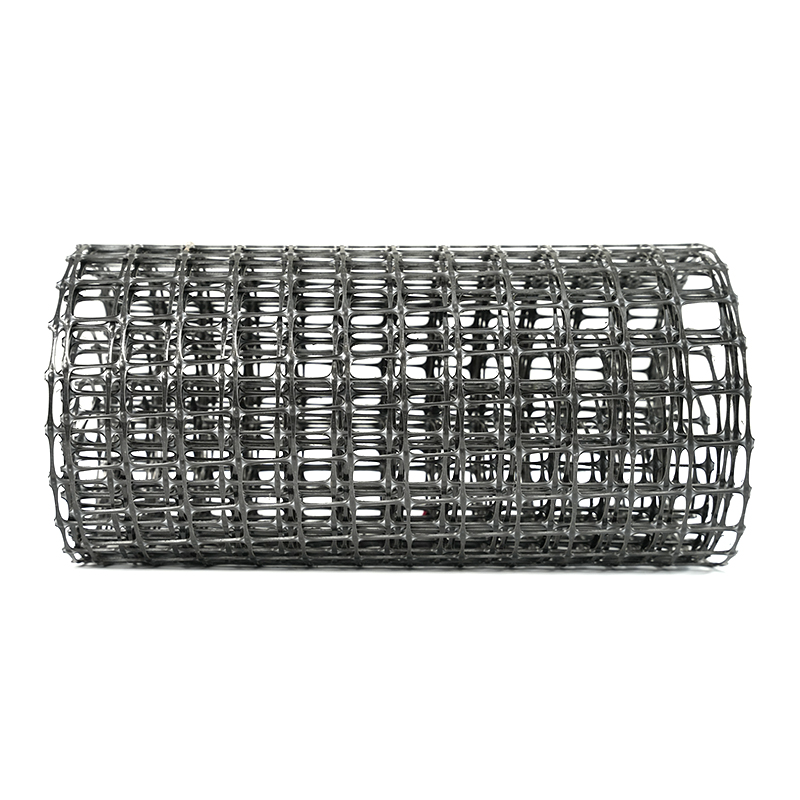
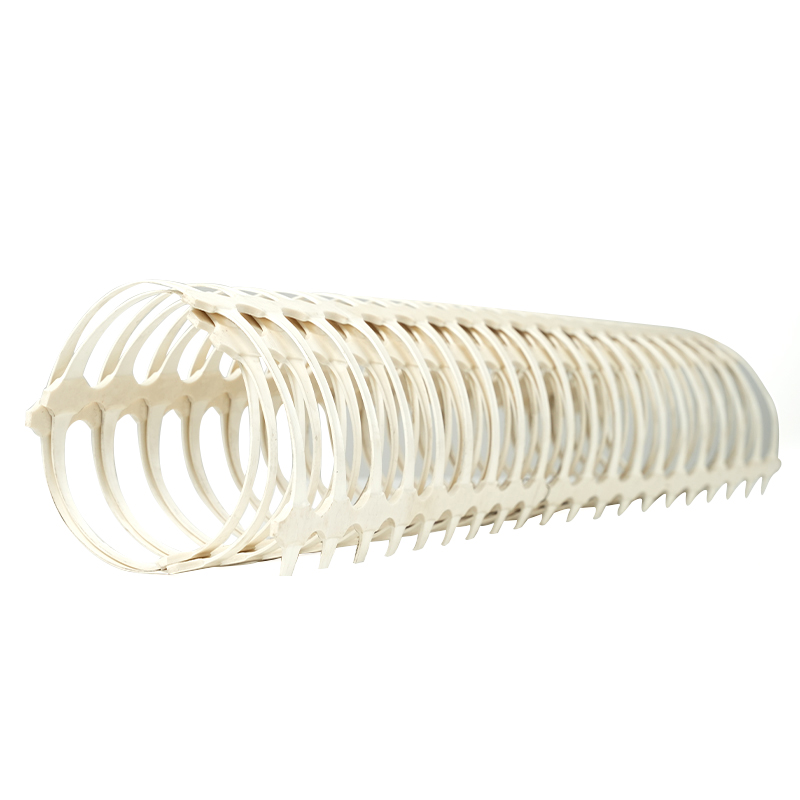
Base stabilisation needs load spreading in two directions, so biaxial geogrid and geocell absorb most of that volume. Retaining structures, steep slopes and abutments work in one direction and need high creep resistance instead, which points to uniaxial grades with a different stretch history and a different property profile.
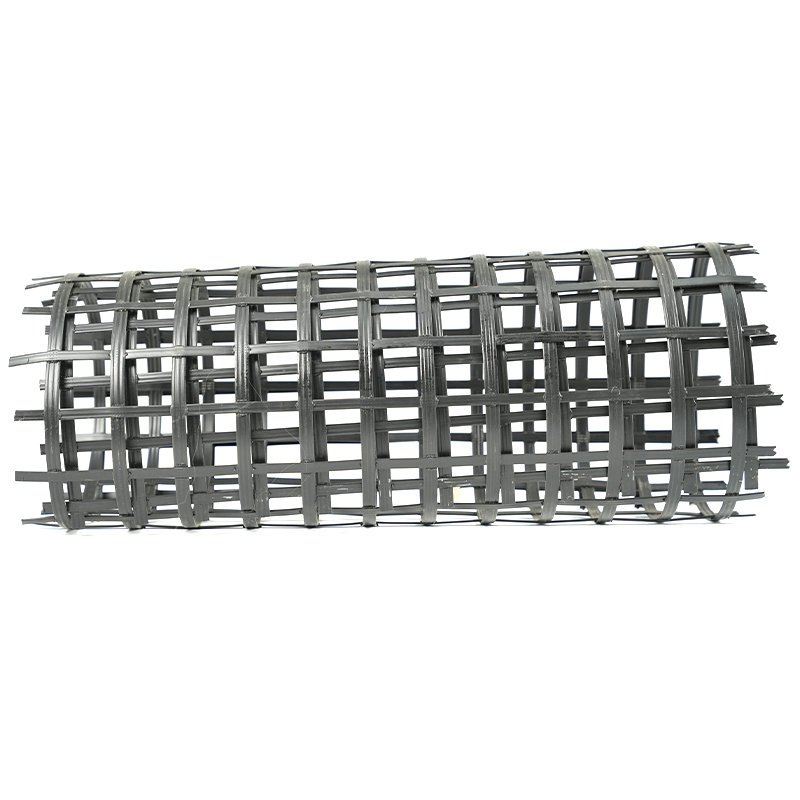
 Unidirectional Stretch Plastic Geogrid for Reinforced SoilHigh unidirectional tensile strength and creep resistance make this geogrid relevant for retaining walls, bridge abutments and steep-slope reinforcement.View Product →
Overlay interlayers are a separate demand line
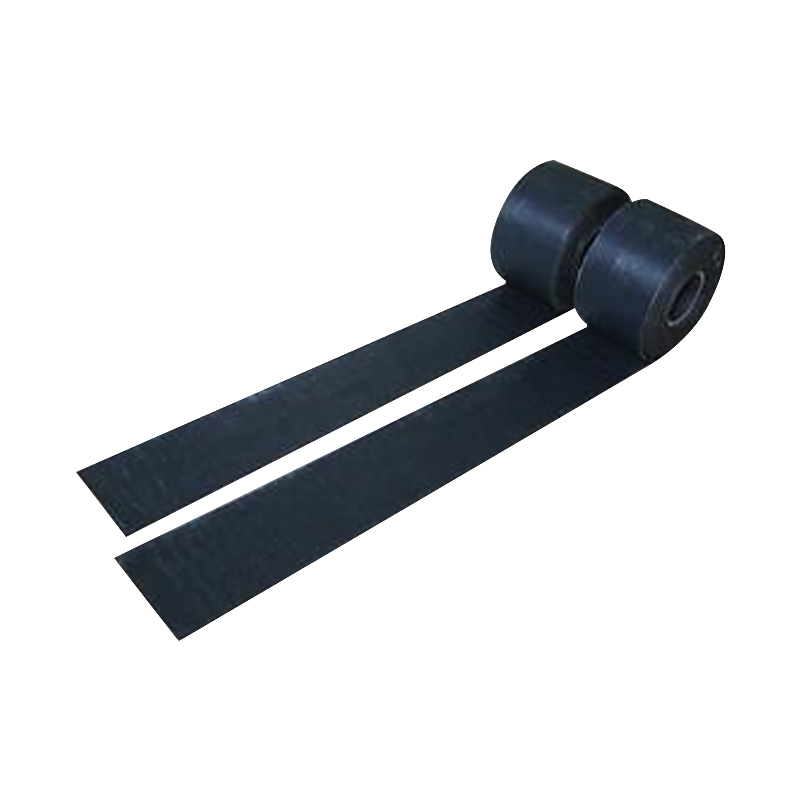
Rehabilitation specifications increasingly name a reinforcement layer that survives paving temperatures. Glass fibre geogrid and self-adhesive anti-crack patches sit inside the asphalt rather than beneath the base, and they are measured in treated lane-kilometres — a demand line that base-only specifications never created.
Long-term design strength rewards process control
When a designer has to justify reduction factors for creep and installation damage, the products with the smallest gap between index strength and design strength win the schedule. That gap is a manufacturing result, not a marketing one: heating uniformity before stretching, control of the longitudinal and transverse ratios, and stable aperture geometry across a full shift.
The Documentation Bottleneck
The limiting factor is rarely polymer supply. It is the ability to prove, lot by lot, that the delivered roll matches the design assumption. Conformity testing usually covers tensile strength, elongation at break, aperture size, mass per unit area and, for some classes, junction efficiency.
Once sampling becomes frequency-based, in-house testing moves into the production rhythm instead of sitting in an annual audit. A producer who can test a batch in an hour releases material the same day; one who sends samples to a distant laboratory waits days and loses the chance to correct a drifting run before it becomes scrap.
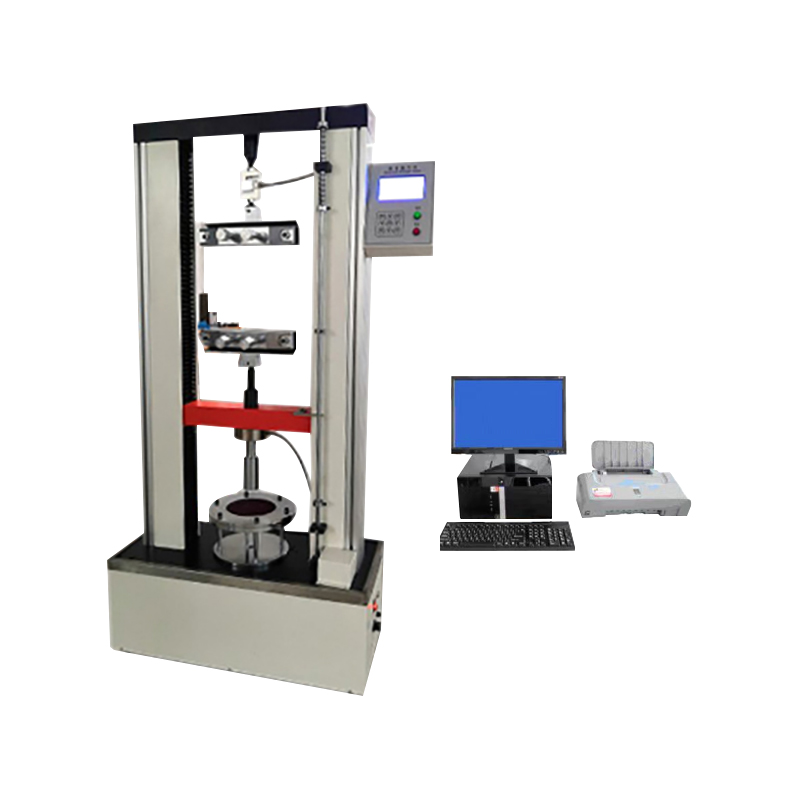 Geotextile Strength Testing Machine for Breaking Strength and ElongationComputer-controlled CRE testing records breaking strength and elongation for geotextiles, geomaterials and related fabrics, supporting same-day batch release and tighter production checks.View Product →
What It Means on the Production Side
For an equipment supplier, a standard revision arrives as a technical enquiry with a property table attached. Lines once sold on output per hour are now judged on how narrow the distribution is across a shift, because a specification built around design values leaves very little room for a weak roll at the end of an extrusion run.
The requests that follow a specification update are consistent: tighter stretching control in both directions, more even heating before the stretch, and quality checkpoints built into the line rather than bolted on afterwards. A line that holds its property at ninety percent of rated speed is worth more than one that peaks briefly and drifts. Much of this comes down to how efficiently a grid mobilises tensile strength in the soil, which we cover in the note on how unidirectional stretch plastic geogrid improves the stability of highways and urban roads.
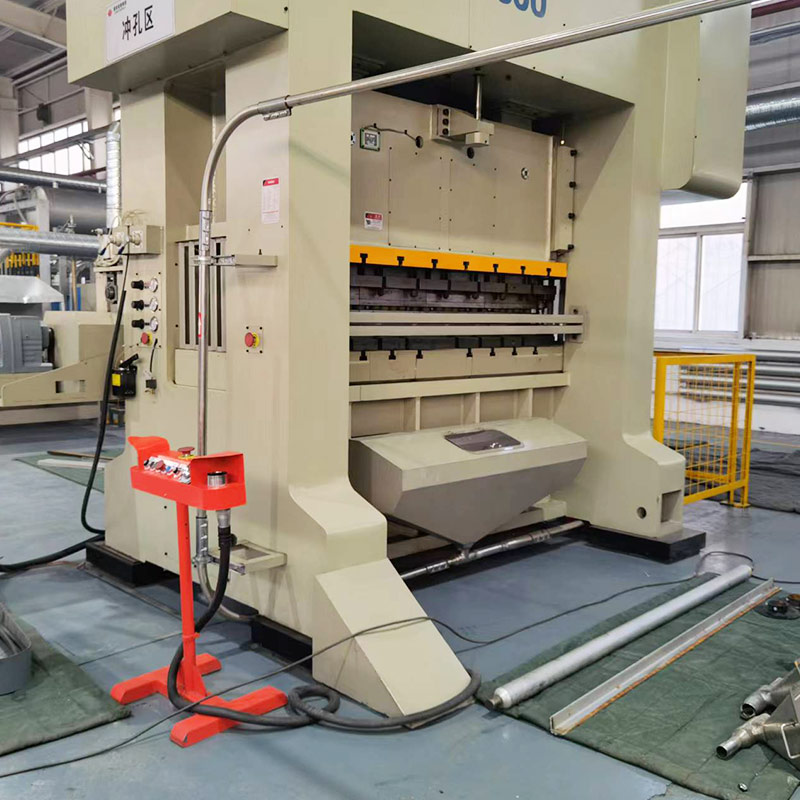 Bidirectional Plastic Geogrid Production LineCustom line combines longitudinal and transverse stretching, with controlled oven temperature and a special clamping fixture for biaxial geogrid production.View Product →
A Buyer's Checklist When a Specification Resets
Material buyers and equipment buyers can use the same questions to expose the gap between a datasheet and a deliverable.
- Which figure is the acceptance criterion — index tensile strength or long-term design strength — and which reduction factors are applied to it?
- At what frequency must samples be taken, and who tests: the producer, the purchaser, or an accredited third party?
- Are roll dimensions, aperture tolerance and mass per unit area specified, or is strength the only controlled property?
- Is the product type fixed, or may the contractor propose an alternative design that changes the grade entirely?
- What traceability is required between production batch, test record and delivery note?
- For equipment, can the quoted line hold the property across a full shift, and can the supplier show it on comparable specifications?
FAQ
Do revised standards always increase geogrid consumption?
No. A revision can restrict reinforcement to defined layers and reduce total area on some road classes. In practice, tighter grades combined with wider application usually outweigh the restriction, but the net effect still depends on subgrade conditions and traffic mix across the network.
How soon after publication does demand actually move?
One to three letting cycles is typical, as designs are reissued and contractors' alternative designs catch up. Distributors often build stock ahead of the first affected season, which is why order patterns can appear before the official date.
Which product type feels the pressure first?
Biaxial geogrid for base layers, followed by interlayer products for overlays. Uniaxial grades respond later, because retaining structure and slope designs run on longer cycles.
Can an existing production line meet a tighter specification?
Often yes. Heating uniformity, stretching control and in-line measurement usually decide whether an installed line can hold a narrower property band; the practical limit is consistency rather than peak strength.
What is the main procurement risk?
Buying against index strength while the design assumes a long-term value. The gap surfaces months later as rutting, lateral spreading or loss of aggregate interlock after the road opens to traffic.
A specification revision is, in effect, a transfer of risk from the designer to the supply chain. The producers who absorb that transfer cleanly are the ones whose lines hold a property band, whose laboratory releases a batch the same day, and whose paperwork matches the roll on the truck. That is where geogrid demand is really decided — not in the clause itself, but in whether the supply base can answer it at volume.